Home Decor Trends to Watch This Year
So, you’re thinking about refreshing your home, huh? It’s that time of year again, or maybe you just feel the itch to change things up. Home decor is always shifting, isn’t it? One minute a certain color is everywhere, the next it’s gone. Keeping up can feel like a full-time job sometimes, and honestly, who has the time for that? But there’s a certain joy in making your space feel new and exciting. It’s not just about following trends, though. It’s about finding what makes you feel good, what reflects who you are right now. This year feels like it’s bringing a lot of focus back to comfort and personal expression. After a few years where things felt a bit… unsettled, people seem to want their homes to be sanctuaries, places where they can truly relax and recharge. We’re seeing a move towards materials that feel good, colors that soothe, and designs that are both practical and beautiful. Let’s talk about some of the things that are really making waves in the home decor world right now, and how you might actually bring some of that fresh feeling into your own place without completely redoing everything. It’s more about subtle shifts and intentional choices, I think.
Warm Minimalism and Tactile Textures
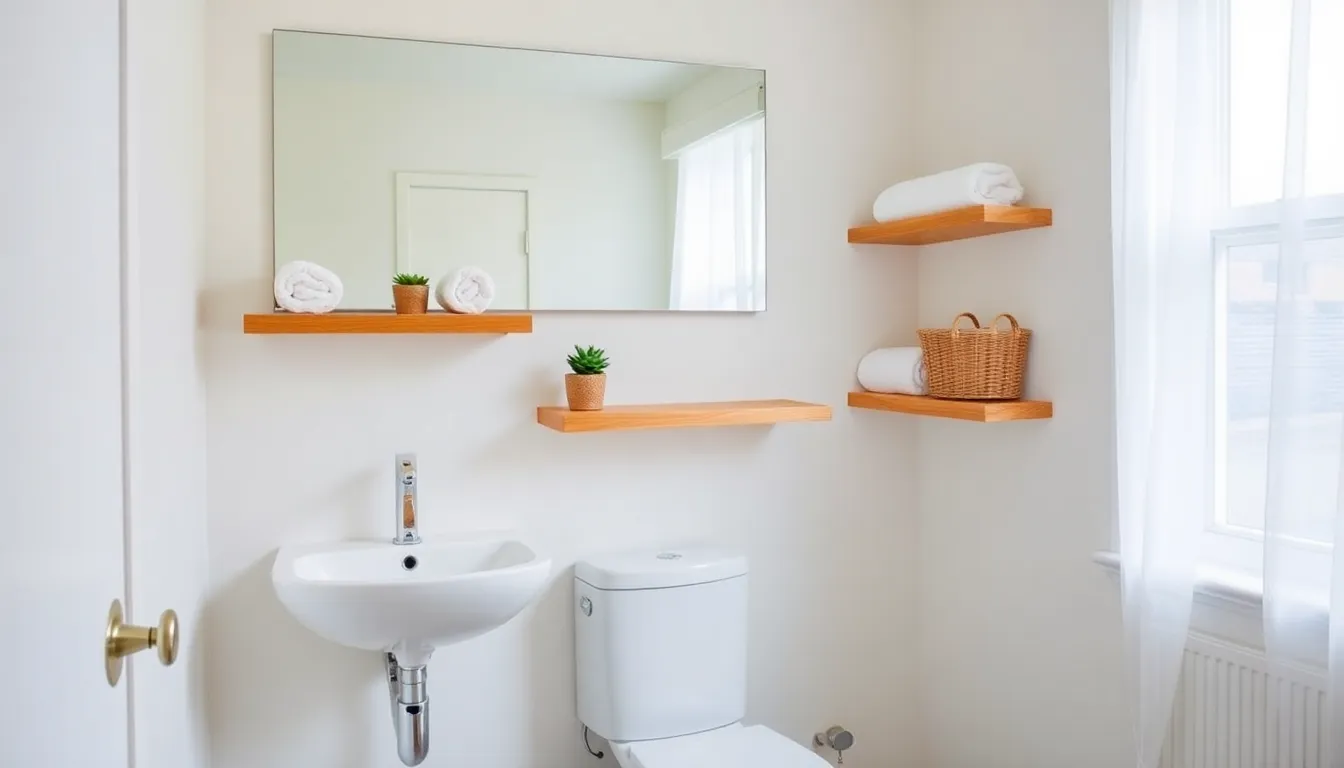
One of the biggest things I’m noticing is a shift within minimalism. You know, the stark white, super-sleek kind? That’s sort of evolving. It’s becoming what some are calling "warm minimalism." This isn’t about decluttering to an extreme where your home feels like a hotel lobby. Instead, it’s about having fewer things, yes, but making sure those things are really intentional and bring a sense of comfort and personality. Think natural materials - wood, stone, linen, wool. These textures add a softness and depth that plain surfaces just can’t replicate. It’s like, instead of a smooth, cold surface, you’re opting for something with a bit of a story, a bit of a feel to it.
How do you even start with this? Well, begin by looking at what you already have. Are there wooden furniture pieces that could be highlighted? Could you swap out some synthetic throws for natural fiber ones? It’s not about buying a whole new set of furniture overnight. Maybe it’s just adding a chunky knit blanket over the sofa or a few ceramic pieces on a shelf. Common tools here aren’t really tools in the power-drill sense. It’s more about your hands and your eyes. Feeling the difference between rough-hewn wood and polished laminate, or the way light hits a textured linen curtain versus a sheer synthetic one. People often get this wrong by thinking it means buying expensive, handcrafted items. You can get that warm, tactile feel with well-chosen, affordable pieces too. It’s about the feel, not just the price tag.
Where it gets tricky is balancing the "minimal" part with the "warm" part. If you go too far with the textures, it can start to feel cluttered or overly fussy, which is sort of the opposite of minimalism. The goal is a calm, inviting space, not a sensory overload. A small win that builds momentum here is simply decluttering one drawer or shelf and replacing a mass-produced item with something natural, even if it’s just a simple wooden bowl. You’ll immediately notice the difference in how it feels in the room. Another thing to consider is color. Warm minimalism often leans into earthy tones - think terracotta, muted greens, warm beiges, and soft browns. These colors naturally lend themselves to a cozier, more inviting atmosphere. So, it’s not just about texture; it's also about a palette that makes you feel grounded and peaceful. If your current decor is very cool-toned and stark, introducing some of these warmer hues through accessories like cushions, rugs, or artwork can make a big impact without a massive overhaul. It’s about creating a feeling of ‘hygge’ - that Danish concept of coziness and contentment - but in a more streamlined, modern way. This trend is really about making your home feel like a hug, a genuinely comfortable and personal space.
Retro Revival: Nostalgia-Infused Design
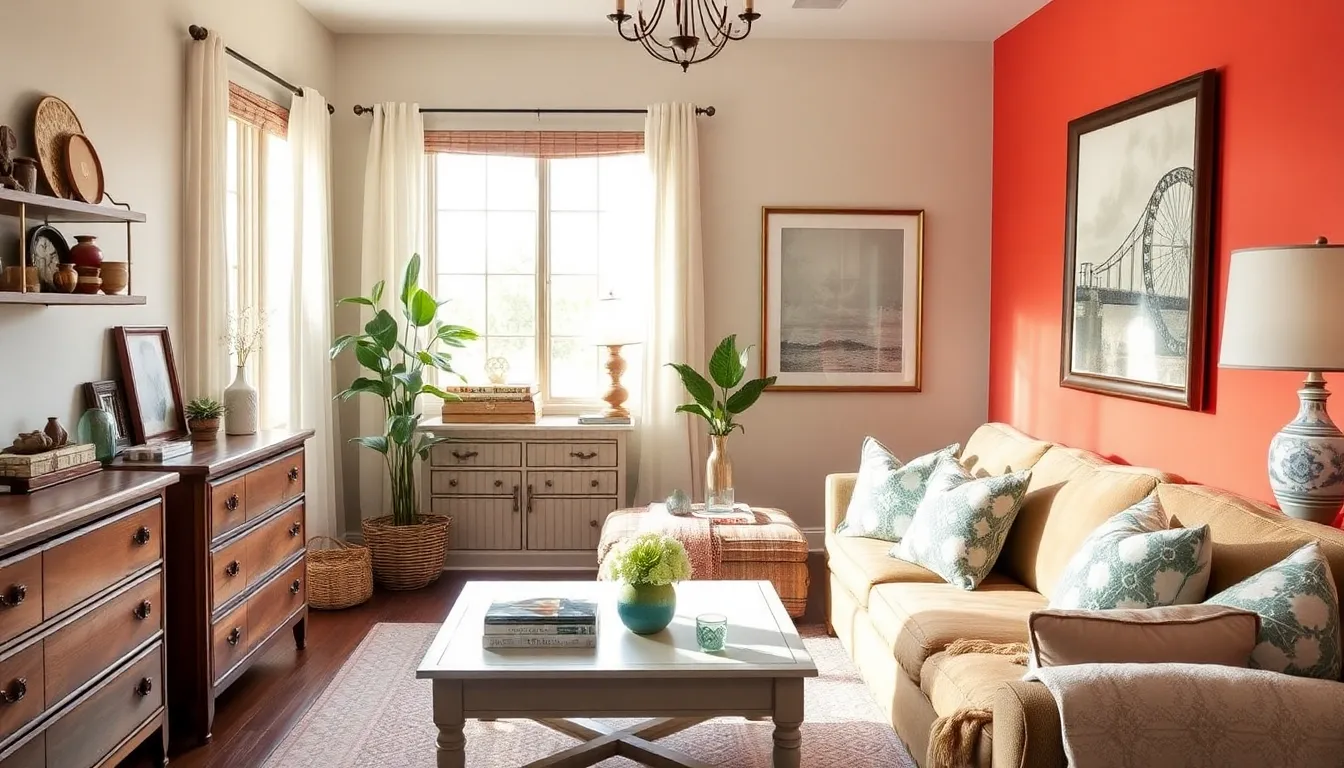
Okay, let’s talk about the past. It feels like we’re constantly looking back for inspiration, and home decor is no different. This year, we’re seeing a really strong pull towards retro vibes, but it’s not just about copying what was popular decades ago. It’s more about cherry-picking the best elements and giving them a modern twist. Think the late 60s and 70s - those groovy shapes, bold patterns, and a certain playful, organic feel. But also, elements from the 80s are creeping back in, sometimes in unexpected ways. It’s like a curated collection of cool stuff from different eras, all thrown together in a way that feels fresh and personal.
This trend is fascinating because it taps into a sense of nostalgia. Maybe you remember your grandparents' living room, or a cool hotel lobby from a vacation. It brings a warmth and familiarity that’s really appealing. How do you start incorporating this without making your home look like a themed set? It’s all about playing with scale and context. For example, a classic 70s-style curved sofa can look amazing in a modern room with clean lines. Or, a geometric rug that has a distinctly retro pattern can ground a more contemporary space. Common tools are really just your taste and a willingness to experiment. People often get this wrong by going too literal. Putting in a full avocado-green kitchen from the 70s might be a bit much, unless that’s genuinely your jam. The trick is to use these elements as accents. A vintage-style lamp, a few patterned cushions, or a piece of art with a retro feel can add personality without overwhelming the space.
Where it gets tricky is mixing different retro eras. You don’t want your home to look like a jumble sale. The key is to have a unifying element, like a consistent color palette or a dominant style. For instance, you might lean heavily into the 70s vibe with its earth tones and organic shapes, and then just bring in one or two distinctly 80s pieces, like a chrome side table, that complements rather than clashes. Small wins that build momentum can be as simple as finding a cool vintage poster at a flea market or a set of brightly colored drinking glasses from a thrift store. These small pieces can be conversation starters and inject personality. Another aspect of this trend is the return of certain materials, like velvet, dark woods, and even some forms of terrazzo. These materials have a richness and depth that feels luxurious but also nods to past design eras. It’s about bringing back a sense of craftsmanship and unique character that can sometimes feel lost in more mass-produced contemporary designs. It’s a way to tell a story through your home, a curated collection of pieces that have character and a history, making your space feel more lived-in and loved.
Biophilic Design: Bringing the Outdoors In
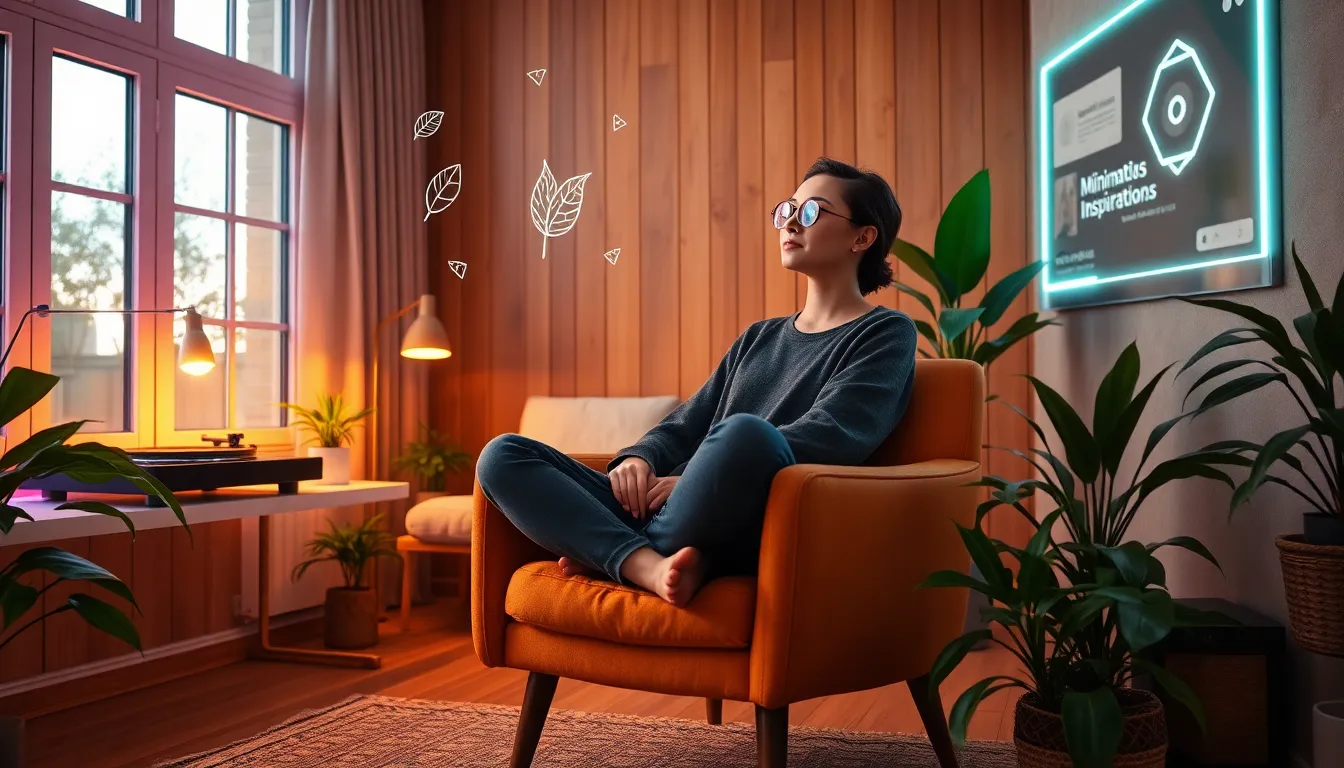
This one isn’t exactly new, but it’s really gaining traction, and for good reason. Biophilic design is all about connecting our living spaces with nature. It’s the idea that we’re inherently drawn to nature, and incorporating natural elements into our homes can actually improve our well-being, reduce stress, and boost creativity. Think about it - after being stuck inside all day, don’t you just crave some fresh air and greenery? This trend is about making that connection a permanent part of your home’s atmosphere.
How do you start? Well, the most obvious way is plants, of course. Lots of plants! But it’s more than just having a few potted plants scattered around. It’s about creating a feeling of bringing the outside in. This can mean incorporating natural light as much as possible - think large windows, skylights, or even just strategically placed mirrors to reflect light. It can also involve using natural materials for furniture and decor, like wood, bamboo, rattan, and stone. Color palettes often mimic nature, with greens, blues, and earthy browns. People often get this wrong by thinking they need a huge garden or a complete home renovation. You don’t. A small herb garden on your kitchen windowsill is a great start. A large fiddle-leaf fig in the corner of your living room can make a huge difference. Common tools here are literally just your hands for potting plants, a good watering can, and perhaps a sun lamp if you don’t have much natural light.
Where it gets tricky is maintaining it. Plants need care, and sometimes natural light is limited. If you’re not a natural green thumb, don’t despair. There are plenty of low-maintenance plants like snake plants or ZZ plants that are practically indestructible. Or, you can lean into other aspects of biophilic design. Think about incorporating natural patterns and textures. A rug with a leaf motif, a wall hanging with a landscape scene, or even just cushions in natural linen can bring that connection to nature. Small wins that build momentum could be as simple as opening your curtains every morning and really taking a moment to appreciate the natural light, or adding one new, easy-care plant to a room. Another aspect is bringing in elements of water or fire, if possible and safe. A small tabletop fountain can add a soothing sound, and a fireplace or even well-placed candles can create a sense of natural warmth and comfort. It’s about creating a harmonious environment that supports both your physical and mental health, using nature as your guide. This trend is a gentle reminder that our homes should feel like extensions of the natural world, places of peace and rejuvenation.
Quick Takeaways
- Warm minimalism is about comfort and intentionality, not just emptiness.
- Focus on natural textures like wood, linen, and wool for a cozier feel.
- Retro revival means curating nostalgic elements with a modern twist, not going full costume.
- Biophilic design is about bringing nature indoors for well-being, starting with plants and light.
- Small, intentional changes can make a big impact on your home’s atmosphere.
- Color palettes inspired by nature are key for a calming, grounded space.
So, as we look at what’s shaping home decor this year, it’s clear that the focus is really on creating spaces that feel good. It’s less about chasing fleeting fads and more about intentional choices that bring comfort, personality, and a connection to the world around us. Warm minimalism, with its emphasis on tactile materials and calming palettes, offers a way to simplify without sacrificing coziness. The retro revival speaks to our love of history and character, encouraging us to mix and match styles in a way that feels unique and personal. And biophilic design is a beautiful reminder that our homes should be places where we can feel reconnected to nature, fostering well-being and peace.
Ultimately, the best home decor trends are the ones that resonate with you. It’s about making your space a true reflection of yourself and a sanctuary that supports your lifestyle. Don’t feel pressured to adopt every single idea. Pick the elements that genuinely excite you and fit with how you live. Maybe it’s adding a few more plants, swapping out a harsh overhead light for something warmer, or finding that perfect vintage-inspired throw pillow. These small, thoughtful changes can add up to a home that feels both stylish and deeply personal. It’s a continuous process, and the most rewarding part is creating a space that you truly love coming home to, day after day. Your home is your haven, and this year is all about making it feel more like it than ever before.