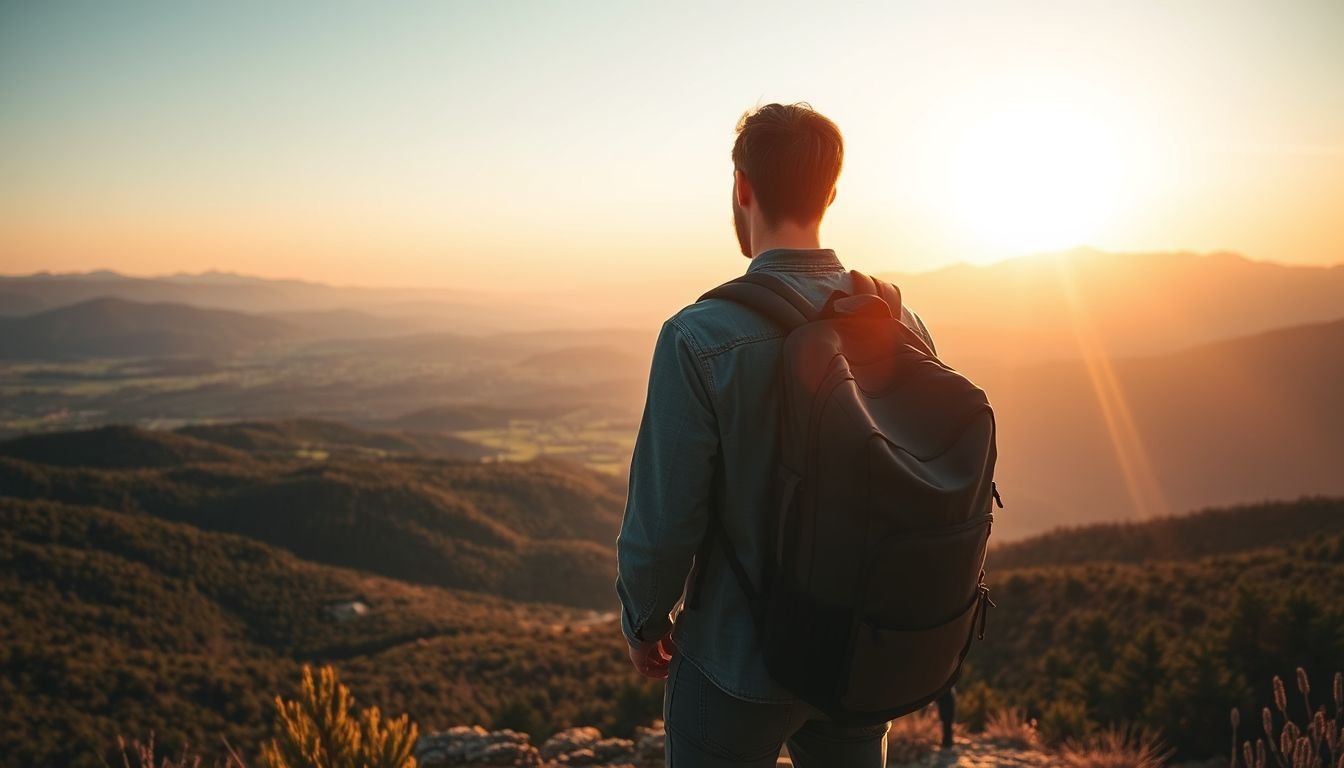
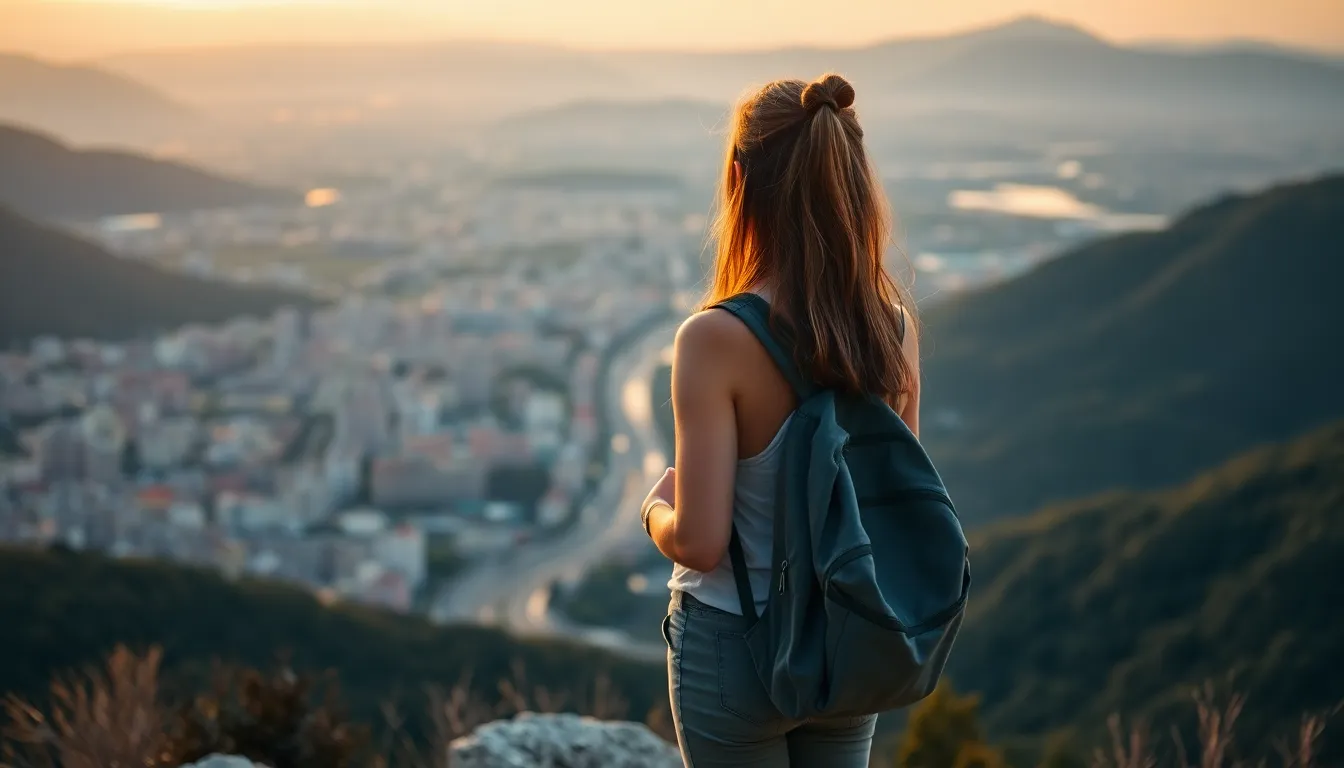
There’s something quietly transformative about stepping off a plane in a city where you don’t know a single person. No itinerary dictated by group consensus, no compromising on where to eat dinner, no waiting for anyone else to be ready. Just you, your backpack, and a world of possibilities. Solo travel isn’t just a vacation style – it’s a catalyst for profound personal growth that reaches far beyond the journey itself. When you remove the safety net of companionship and familiar routines, you create space for something remarkable: the chance to truly meet yourself.
Discovering Who You Really Are
Traveling alone strips away the roles you play in daily life. You’re not someone’s colleague, partner, friend, or family member. You’re simply you, raw and unfiltered. This absence of social context creates a powerful environment for introspection that’s nearly impossible to replicate at home.
When you’re navigating the streets of Barcelona or sitting in a café in Kyoto, you gain clarity about your true desires and values. Without the influence of others’ preferences, you discover what actually excites you. Maybe you thought you loved museums because your friends always suggest them, but alone, you realize you’d rather spend hours wandering local markets. Or perhaps you discover a passion for early morning hikes that you never explored because your usual travel companions prefer sleeping in.
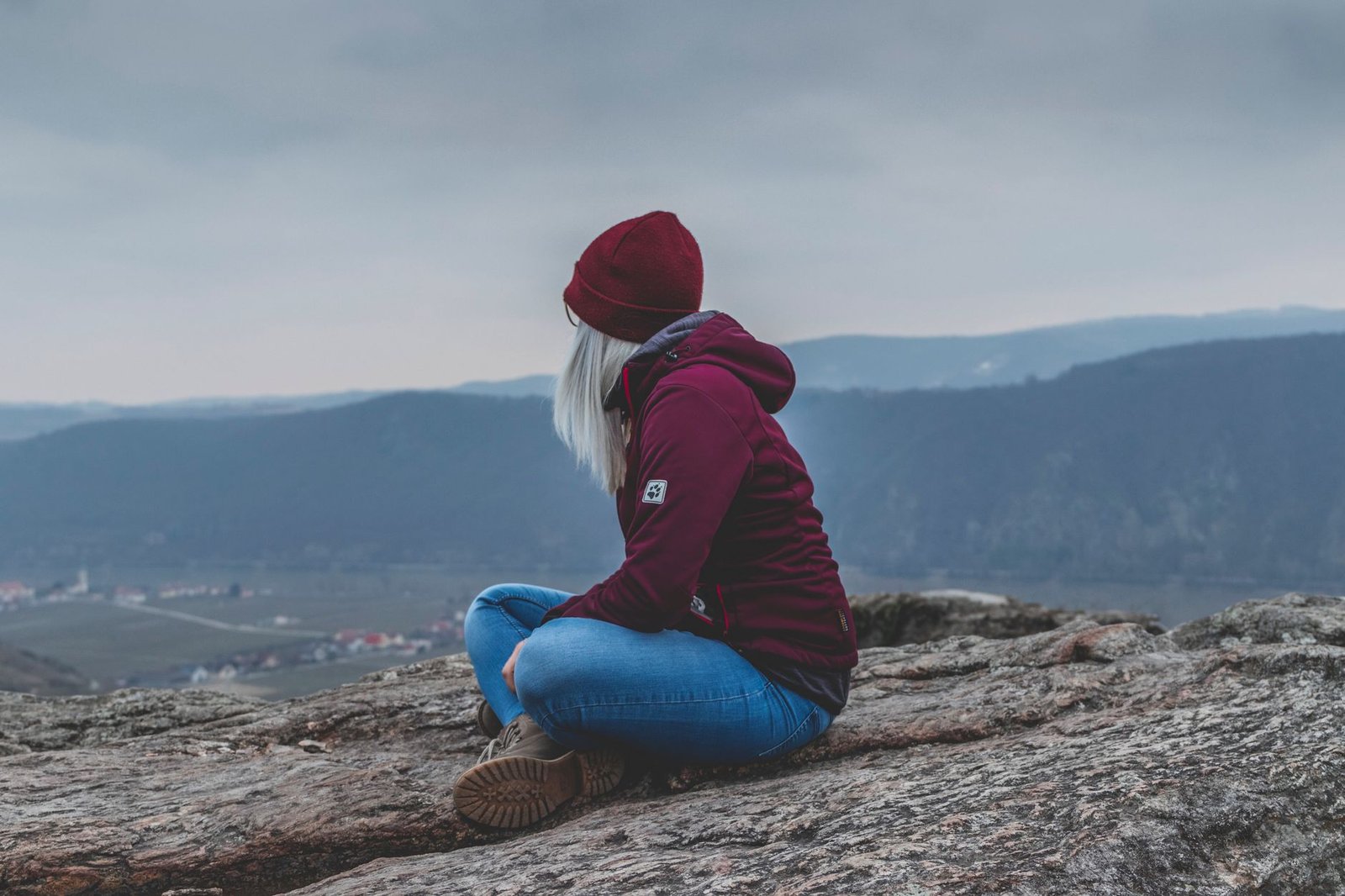
This self-knowledge extends beyond simple preferences. Solo travel forces you to confront your strengths, weaknesses, and overall identity in ways that group travel never does. When you successfully navigate a language barrier to order food, figure out a confusing train system, or find your way back to your hostel after getting wonderfully lost, you’re not just solving problems – you’re learning what you’re capable of when the only person you can rely on is yourself.
The solitude also provides mental space rarely available in our hyperconnected world. Without familiar distractions or the need to maintain social energy, you can process thoughts and emotions more deeply. Many solo travelers report experiencing breakthrough moments of clarity about life decisions, career paths, or relationships while sitting alone watching a sunset or taking a long train ride through unfamiliar landscapes.
Building Unshakeable Self-Reliance
Independence isn’t just about being able to do things alone – it’s about trusting yourself to handle whatever comes your way. Solo travel is a masterclass in self-reliance that develops skills you’ll use for the rest of your life.
Consider the typical day of solo travel. You wake up and decide where to go, how to get there, what to eat, when to rest, and how to spend your money – all without consultation or consensus-building. You become the CEO of your own experience, making countless micro-decisions that collectively shape your journey. This constant decision-making strengthens your ability to trust your own judgment.
The challenges that arise during solo travel become opportunities for growth rather than sources of stress. Miss a bus? You figure out the next option. Lose your wallet? You navigate the embassy process and contact your bank. Room not what you expected? You advocate for yourself or find alternatives. Each problem solved reinforces your capability and resourcefulness.
This self-reliance extends to emotional independence too. When you’re happy, sad, frustrated, or excited, you learn to sit with those feelings without immediately seeking external validation or distraction. You become comfortable in your own company, which is perhaps one of the most valuable skills anyone can develop. People who travel solo often report that they stop feeling lonely when alone – instead, they feel peacefully independent.
The adaptability you develop is equally crucial. Plans change, weather shifts, strikes happen, and locals give you directions that lead nowhere. Solo travel teaches you to roll with uncertainty and find creative solutions, making you more resilient not just as a traveler but as a person navigating life’s inevitable unpredictability.
Confidence That Changes Everything
The confidence gained from solo travel isn’t the loud, boastful kind – it’s a quiet, grounded self-assurance that permeates every aspect of your life. When you’ve successfully navigated foreign countries, managed your safety, handled emergencies, and created meaningful experiences entirely on your own terms, everyday challenges back home feel significantly more manageable.
This confidence manifests in tangible ways. Solo travelers often report speaking up more in meetings, setting firmer boundaries in relationships, pursuing opportunities they would have previously considered too intimidating, and generally advocating for themselves more effectively. The person who confidently approached strangers to ask for directions in broken Spanish finds it much easier to network at professional events or introduce themselves in social situations.
There’s also confidence in decision-making. When you’ve made hundreds of successful choices during your travels – from major decisions like changing your entire route to minor ones like picking a restaurant – you develop trust in your judgment. You stop second-guessing yourself as much or seeking excessive validation from others before taking action.
Perhaps most importantly, solo travel builds confidence in handling discomfort. You learn that feeling awkward eating alone at a restaurant doesn’t kill you. Neither does being the only solo traveler in a group tour or asking for help when you need it. You discover that discomfort is temporary and survivable, which makes you braver in pursuing experiences that matter to you, even when they feel intimidating.
Many solo travelers describe a shift in their relationship with fear itself. Rather than avoiding situations that make them anxious, they develop strategies for moving through fear while still taking action. This shift often catalyzes significant life changes – career pivots, relationship endings or beginnings, relocations, or new pursuits that might have felt impossible before proving to themselves what they could handle alone.
Quick Takeaways
- Solo travel creates space for deep introspection, helping you gain clarity about your true desires, values, and goals without external influence
- Navigating new environments independently develops practical self-reliance and problem-solving skills that translate directly to everyday life challenges
- Making all your own decisions while traveling strengthens your ability to trust your judgment and builds emotional independence
- Successfully managing challenges abroad – from language barriers to unexpected obstacles – creates quiet, grounded confidence that affects all areas of life
- Solitude while traveling teaches you to be comfortable in your own company, reducing dependence on external validation
- The adaptability and resourcefulness required for solo travel make you more resilient when facing life’s unpredictability
- Solo travel often catalyzes significant personal growth and life changes by proving what you’re capable of when relying solely on yourself
Conclusion
Solo travel is ultimately an investment in yourself. While the immediate rewards – seeing new places, trying different foods, collecting passport stamps – are wonderful, the lasting benefits run much deeper. The self-knowledge, independence, and confidence you develop become permanent parts of who you are, influencing how you show up in your career, relationships, and personal life long after you’ve unpacked your suitcase.
You don’t need to quit your job and travel the world for months to experience these benefits. Even a long weekend alone in a neighboring city can initiate this process of self-discovery. What matters isn’t the duration or distance – it’s the willingness to step outside your comfort zone and spend time with the most important person in your life: yourself.
The version of you that returns from solo travel is rarely the same one that left. You come back knowing yourself more deeply, trusting yourself more fully, and carrying a quiet assurance that whatever life throws your way, you can handle it. That’s worth far more than any souvenir.
FAQs
Is solo travel safe for first-timers?
Solo travel can be safe for beginners with proper preparation. Start with destinations known for being solo-traveler friendly, research neighborhoods before booking accommodation, share your itinerary with someone back home, and trust your instincts. Many first-time solo travelers choose guided tours or stay in social hostels to balance independence with built-in community. Safety is largely about awareness and common sense rather than traveling with others.
How do I overcome loneliness when traveling alone?
Loneliness during solo travel is normal initially but usually fades as you adjust. Stay in hostels or use apps designed for meeting fellow travelers when you want company. Join group activities, walking tours, or cooking classes. Remember that being alone isn’t the same as being lonely – many solo travelers find the solitude refreshing rather than isolating. Balance alone time with opportunities for social connection based on your needs.
What if I make a mistake or something goes wrong while traveling alone?
Mistakes and unexpected challenges are part of travel and often become your best stories later. Have backup plans like emergency contacts, travel insurance, and extra funds set aside. Most problems – missed connections, wrong turns, language mishaps – are solvable and help you develop resilience. Other travelers and locals are usually willing to help if you ask. The ability to handle these situations independently is exactly what builds the confidence solo travel is known for.
Do I need to be extroverted to enjoy solo travel?
Absolutely not. Introverts often thrive during solo travel because they can control their social energy expenditure. You choose when to interact with others and when to recharge alone. Many introverts find solo travel less draining than group travel because there’s no pressure to be social constantly. The key is designing your trip around your personality – introverts might prefer quieter destinations, smaller accommodations, and activities that allow for reflection rather than constant stimulation.