
Why Solo Female Travel Isn't as Scary as You Think (And How to Do It Right)
Let's get one thing straight - solo female travel isn't about being fearless or reckless. It's about being smart, prepared, and knowing that the world is actually much safer than the news makes it seem. Sure, there are legitimate concerns, but millions of women travel alone every year and come back with incredible stories, not horror tales.
The thing is, most travel safety advice either treats women like delicate flowers who should never leave their hotel rooms, or acts like common sense precautions don't matter. Both approaches miss the mark completely. What you really need is practical, honest guidance that acknowledges real risks without letting fear run the show.
Here's what I've learned after years of solo travel and talking to countless women who've done the same: preparation beats paranoia every time. When you know what to expect, how to handle tricky situations, and which destinations roll out the red carpet for solo female travelers, the whole experience becomes less about surviving and more about thriving.
This isn't about convincing you to throw caution to the wind. It's about showing you how to travel confidently and safely while having the kind of experiences that make you wonder why you waited so long to try it.
Essential Safety Strategies That Actually Work
Forget the paranoid travel guides that tell you to pack fake wedding rings and never leave your hotel after dark. Real safety starts with research and common sense, not theatrical props.
First things first - research isn't just reading travel blogs. Check government travel advisories, but don't let them scare you off entirely. The State Department's warnings often sound more dramatic than the reality on the ground. Instead, look for recent firsthand accounts from other solo female travelers. Facebook groups, Reddit forums, and travel-specific platforms like Girls Love Travel give you the real scoop on what to expect.
Accommodation choice matters more than you might think. Hostels aren't just for broke college students - many cater specifically to solo travelers and have built-in social networks. Female-only dorms exist for a reason, and staff at reputable hostels are usually excellent sources of local safety intel. If hostels aren't your thing, hotels in central locations beat remote Airbnbs every time for solo travelers.
Here's something nobody talks about enough: your phone is your lifeline, but only if it actually works. Download offline maps before you go, share your location with someone back home, and keep a portable charger handy. Apps like TripIt can share your itinerary automatically, which sounds paranoid but honestly just makes sense.
Transportation planning sounds boring, but it's where things can go sideways fast. Research how to get from the airport to your accommodation before you land. Know what legitimate taxis look like, download the local rideshare apps, and understand public transport basics. Getting lost with heavy luggage in an unfamiliar place is when you're most vulnerable.
The confidence factor is real, though. Walking like you know where you're going (even when you don't) makes a huge difference. Scammers and opportunists target people who look confused and overwhelmed. Practice the "I belong here" walk before you go.
Money Matters and Practical Precautions
Let's talk about money because this is where good intentions meet harsh reality. The old "hide cash in your shoes" advice is mostly useless in the age of credit cards and ATMs. What actually works is having multiple backup plans.
Notify your bank about travel dates - this seems obvious but people still forget and end up with blocked cards in foreign countries. Carry at least two different cards from different banks, ideally stored in separate places. One credit card, one debit card minimum. Some people go overboard with money belts and hidden pockets, but honestly, a small crossbody bag that stays in front of you works fine for daily cash and cards.
ATMs are generally safer than currency exchange booths, but location matters. Use ATMs inside banks or hotels rather than random street corners when possible. And yes, those foreign transaction fees add up, but they're worth it for the convenience and security of not carrying large amounts of cash.
Travel insurance isn't sexy, but medical emergencies abroad can cost thousands. Don't cheap out here. Look for policies that cover medical evacuation - if something serious happens, you want to be flown home, not stuck navigating foreign healthcare systems. Some credit cards include basic travel insurance, but read the fine print carefully.
Document copies are crucial but don't overcomplicate it. Email yourself scans of your passport, visa, insurance papers, and itinerary. Cloud storage works too. The point is having access to important information even if your physical documents disappear.
Here's a reality check: most solo female travelers never face serious safety issues. But when problems do arise, they're usually mundane things like getting sick, missing flights, or dealing with accommodation problems. Having backup plans for these boring scenarios matters more than preparing for dramatic emergencies.
Destinations That Get Solo Female Travel Right
Some places just make solo female travel easier, and it's not always the countries you'd expect. Safety rankings help, but they don't tell the whole story. What you want are destinations with good infrastructure, English-speaking locals (or at least tourist-friendly communication), reliable transport, and established solo travel communities.
Japan deserves its reputation as incredibly safe for solo female travelers. The culture prioritizes politeness and helping lost tourists, public transport is reliable and safe at all hours, and crime rates are genuinely low. The language barrier exists but major tourist areas have English signage, and people go out of their way to help. Plus, Japan has perfected the art of solo dining and activities - you'll never feel awkward eating alone or visiting attractions by yourself.
New Zealand and Australia are practically designed for solo travelers. English-speaking, excellent backpacker infrastructure, and cultures that embrace independent travel. The main risks are sunburn and wildlife, not personal safety. Hostels are social hubs where you'll meet other solo travelers instantly.
Portugal surprises people with how welcoming it is. Lisbon and Porto have thriving digital nomad communities, locals speak excellent English, and it's significantly cheaper than other Western European destinations. The culture is laid-back and crime rates are low. Portugal also has excellent train connections to explore multiple cities safely.
Thailand, specifically Bangkok and northern regions like Chiang Mai, has infrastructure built around solo travelers. Yes, you need to be street-smart, but millions of solo female backpackers have paved the way. Accommodations cater to solo travelers, transport is cheap and frequent, and there's always other travelers around. Avoid southern party destinations if you want a more relaxed vibe.
Singapore works perfectly as a first-time solo destination. It's essentially a city-state with excellent public transport, multiple languages including English, and strict safety laws. Sure, it's expensive, but you can explore confidently without worrying about basic safety concerns. It's also a great base for exploring Southeast Asia once you're comfortable.
Building Confidence Through Connection
Solo travel doesn't mean lonely travel, and connecting with other people - both locals and travelers - actually makes you safer while enriching the experience. But this requires getting comfortable with being social, which isn't everyone's natural tendency.
Hostels with high ratings and good reviews are gold mines for meeting like-minded travelers. Look for places that organize group activities, walking tours, or communal dinners. Even if you book a private room, these social spaces let you connect with others when you want company and retreat when you need alone time.
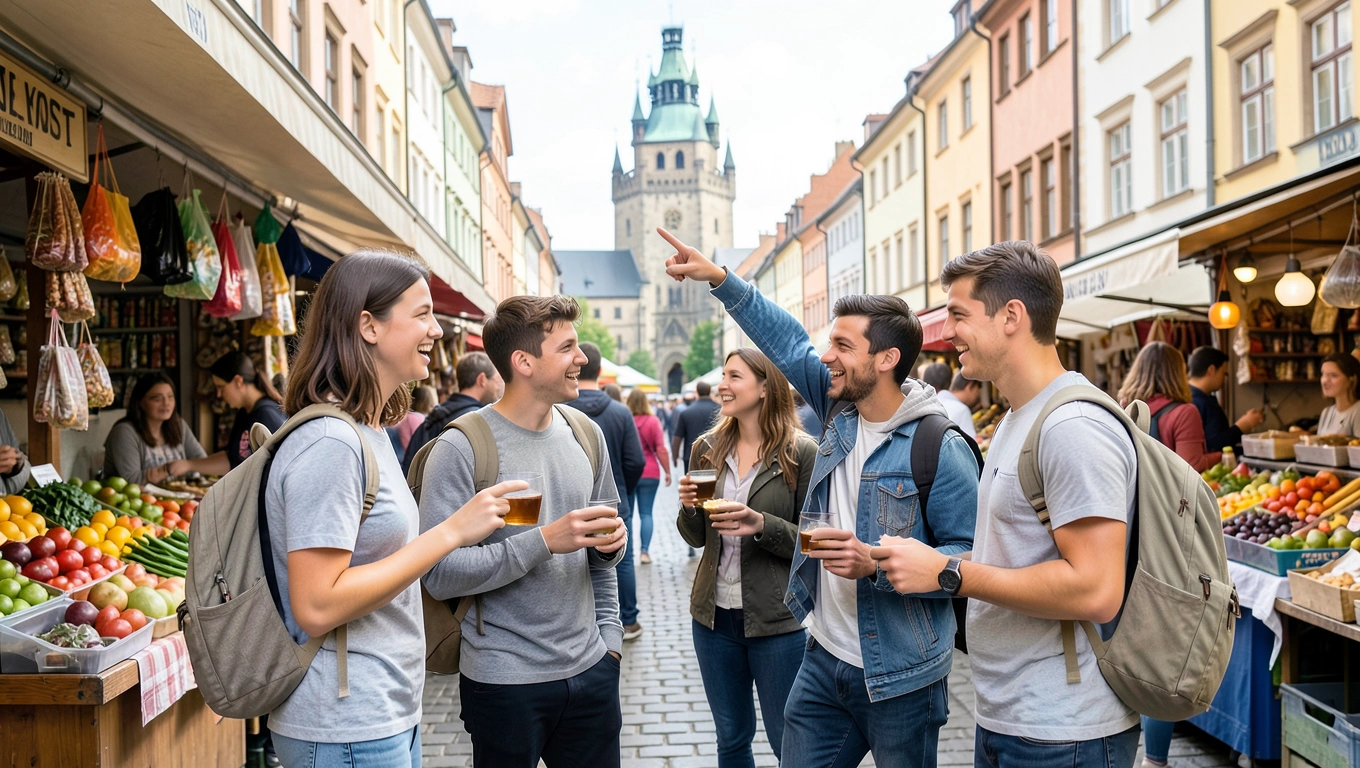
Free walking tours exist in most major tourist destinations and they're perfect for solo travelers. You learn about the area from locals or expat guides, meet other travelers, and get oriented in a new city safely. Many cities also offer food tours, which combine learning about local culture with built-in social interaction.
Language barriers aren't insurmountable obstacles. Download translation apps, learn basic phrases, and remember that gestures and smiles work universally. Most people appreciate the effort even if your pronunciation is terrible. In tourist areas, you'll almost always find English speakers, and younger locals often speak some English even in non-English speaking countries.
Local women's groups and expat communities can be invaluable resources. Facebook groups for expat women in your destination city often welcome questions from travelers and might even offer meetups. Co-working spaces in digital nomad-friendly destinations are another way to connect with people, especially if you're traveling longer-term.
Trust your instincts about people, but don't let overthinking paralyze you. Most people you'll meet are genuinely helpful and friendly. The key is staying aware without becoming suspicious of everyone. If something feels off, it probably is - but most interactions will be positive.
Quick Takeaways
- Research beats paranoia - know what to expect but don't let worst-case scenarios control your decisions
- Your phone is your most important safety tool - ensure it works, stays charged, and has offline capabilities
- Choose accommodations in central locations with good reviews rather than focusing solely on price
- Multiple payment methods and document copies prevent minor inconveniences from becoming major problems
- Some destinations naturally cater to solo female travelers - start with these to build confidence
- Social connection through hostels, tours, and local communities enhances both safety and enjoyment
- Most solo female travelers face mundane problems, not dramatic emergencies - prepare accordingly
Frequently Asked Questions
Q: Is it safe to eat street food as a solo female traveler?
A: Street food safety has more to do with hygiene practices than your gender. Look for vendors with high turnover (food doesn't sit around), locals eating there, and proper food handling. Start conservatively and build up your tolerance gradually.
Q: How do I handle unwanted attention from men while traveling alone?
A: Confidence and clear boundaries work best. Don't engage with persistent attention-seekers, move to public areas if you feel uncomfortable, and don't worry about being rude. Most destinations have cultural norms you can observe from local women.
Q: Should I tell people I'm traveling alone or pretend I'm meeting friends?
A: Use common sense based on the situation. With accommodation staff or tour guides, honesty is fine. With random strangers, you can be vague about your travel companions without outright lying.
Q: What's the biggest mistake first-time solo female travelers make?
A: Over-planning every detail out of anxiety, which prevents spontaneous experiences and meeting people. Have a loose framework but leave room for flexibility and unexpected opportunities.
Making It Real
The truth about solo female travel is that it's simultaneously more normal and more rewarding than most people realize. Millions of women do this successfully every year, and while preparation matters, you don't need to be exceptionally brave or worldly to start.
What you do need is realistic expectations. Solo travel isn't a constant Instagram-worthy adventure - sometimes you'll eat dinner alone while scrolling your phone, sometimes you'll feel lonely, and sometimes things won't go according to plan. That's all part of it, and honestly, those moments often lead to the best stories later.
The confidence you build from navigating unfamiliar places independently, solving problems on your own, and proving to yourself that you can handle whatever comes up - that confidence extends far beyond travel. It changes how you approach challenges at home too.
Start with destinations that feel manageable rather than jumping into the most exotic location you can find. Build your skills and confidence gradually. Each successful trip makes the next one easier and opens up more adventurous possibilities.
Most importantly, remember that solo female travel isn't about proving anything to anyone else. It's about giving yourself experiences and perspectives that only come from stepping outside your comfort zone. The world is waiting, and it's more welcoming than you think.