Addressing Sibling Rivalry: Tips and Techniques
Sibling rivalry. It’s practically a rite of passage for many families, isn’t it? You see it on the playground, hear about it in schoolyards, and if you have more than one child, you’ve probably lived it in your own living room. It’s that sometimes intense competition, the squabbles over toys, the constant comparison, and the general friction that can pop up between brothers and sisters. Honestly, it can be exhausting for parents, trying to referee these constant disputes. You might wonder if it’s just a normal part of growing up or something you need to actively manage. Well, to be fair, it’s a bit of both. While some level of disagreement is natural as kids develop their own personalities and boundaries, unchecked rivalry can spill over into lasting resentment or create a really stressful home environment. The good news is, there are practical ways to navigate these choppy waters. It’s not about eliminating conflict entirely - that’s probably not realistic - but about teaching kids how to handle disagreements constructively, build stronger bonds, and understand each other better. This article is going to look at some of the common reasons behind sibling rivalry and, more importantly, offer some actionable strategies you can start using right away to foster a more peaceful and loving sibling relationship in your home.
Understanding the Roots of Sibling Conflict
So, why does sibling rivalry happen in the first place? It’s complex, really. One big reason is simply limited resources. Think about it - attention from parents is a huge one. Kids, especially younger ones, often feel like they need to compete for their parents' time and approval. If one child gets praised for a good report card, the other might feel overlooked and try to get attention, even if it’s negative attention through misbehavior or starting a fight. It’s not always about malice; it’s often about meeting a perceived need. Another factor is personality differences. You know how some kids are naturally more outgoing and boisterous, while others are quiet and sensitive? These different temperaments can clash. The loud child might accidentally overwhelm the quieter one, leading to irritation and arguments. Or perhaps one child is more competitive by nature, always wanting to be the best, which can put pressure on their sibling. Birth order can play a role too, though it’s not a hard and fast rule. Sometimes the older child feels entitled to leadership, while the younger child might resent being bossed around. It’s a dynamic that shifts and evolves.
What often goes wrong here is that parents might fall into the trap of comparing their children. Saying things like, "Why can't you be more like your brother?" is incredibly damaging. It fuels the rivalry by validating the idea that one child is "better" than the other. Instead, try focusing on each child's individual strengths and efforts. People sometimes misunderstand that sibling rivalry is solely about who is "at fault." It’s rarely that simple. It’s more about the dynamic between the children and the environment they’re in. Another tricky part is when parents try to be perfectly fair, thinking that means giving everyone the exact same thing at the exact same time. But fairness isn't always about sameness. A younger child might need more help with a task than an older one, or an older child might need more independence. Recognizing and responding to individual needs is often more truly fair than treating everyone identically. Small wins here include noticing when your children are playing nicely and acknowledging it, or when one sibling helps the other without being asked. These small moments build a positive counter-narrative to the constant squabbling.
Another significant driver of sibling conflict is the development of their own identities. As children grow, they naturally want to differentiate themselves from their parents and their siblings. This desire for individuality can manifest as oppositional behavior or a need to prove they are different, which can easily lead to friction. If one sibling loves sports, and the other is into art, that’s a great outlet for individuality. But if their interests overlap, or if one feels overshadowed in a shared activity, rivalry can surface. It's also important to remember that children are learning social skills through their interactions with siblings. They are practicing negotiation, compromise, and conflict resolution, albeit sometimes in messy ways. Parents can get caught up in the moment, focusing only on stopping the fight, rather than seeing it as a learning opportunity. What people often get wrong is thinking that the goal is to have no fights. The real goal is to teach them how to resolve conflict. It gets tricky when one child is clearly more dominant or aggressive, or when the age gap is significant, making it hard for the younger child to stand up for themselves.
Strategies for Fostering Positive Sibling Relationships
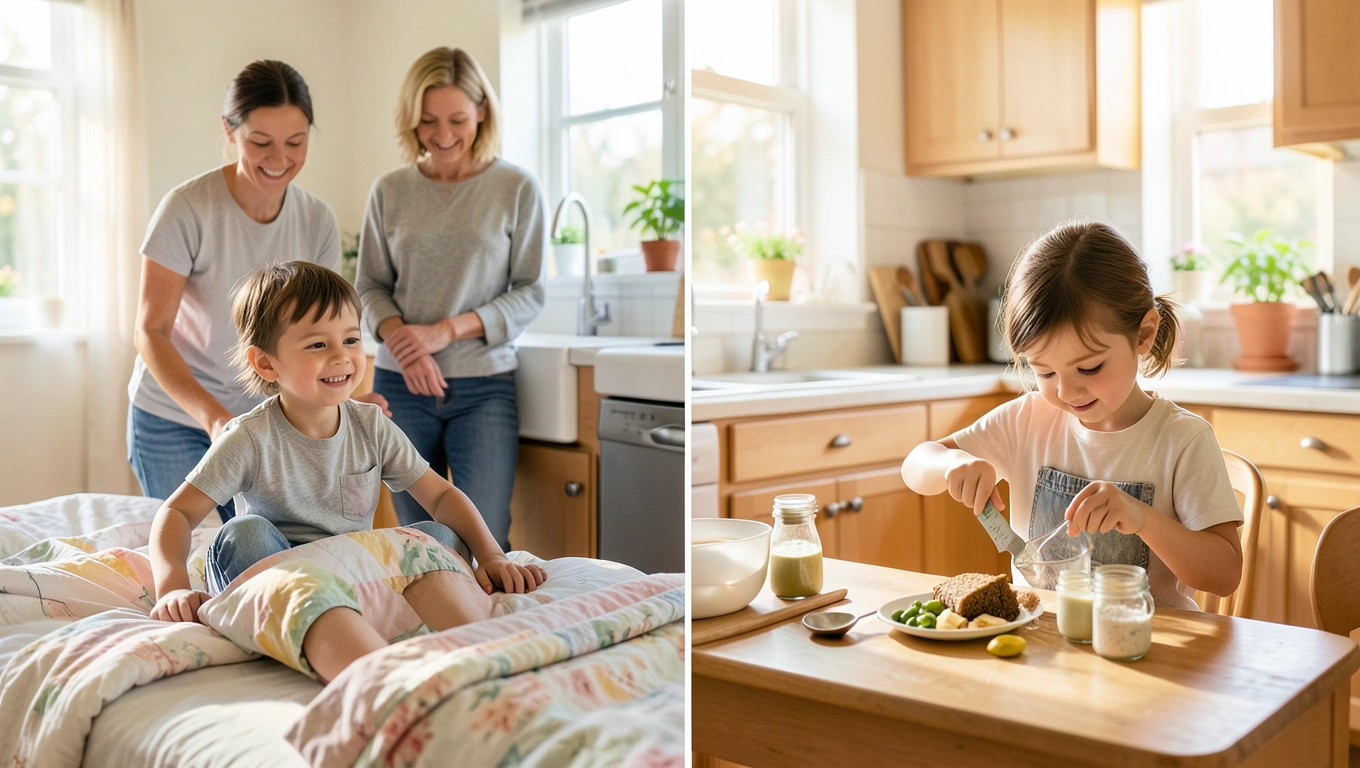
Okay, so we've talked about why sibling rivalry happens. Now, let's dive into what you can actually do about it. The first big thing is to focus on building a strong sense of individuality and worth in each child separately. This means spending one-on-one time with each child regularly. Even 15-20 minutes of undivided attention a day can make a huge difference. During this time, let them choose the activity. It's their special time. This helps fulfill that need for attention we talked about earlier, reducing the urge to compete for it. Also, actively praise their individual efforts and unique qualities. Instead of "You're both so smart," try "I really admire how you focused on that puzzle, Sarah," and "John, you were so brave trying that new swing today." This celebrates who they are as individuals. When it comes to tools, simple things like a family calendar where everyone can see upcoming events and downtime can help reduce surprises and feelings of exclusion. Schedules can also be helpful, especially for younger kids, to create predictable routines.
What often goes wrong in this area is parents intervening too quickly or too harshly. Sometimes, kids just need a moment to work things out themselves. It's about finding that balance between letting them learn and stepping in when things escalate or become unsafe. A common mistake is always taking the side of the younger child or the one who seems more upset. Try to listen to both sides impartially. People sometimes think that teaching them to share is the magic bullet. While sharing is important, it's also about teaching them to respect each other's belongings and space. Where it gets tricky is when toys are particularly cherished or when one child consistently "borrows" things without asking. Small wins that build momentum here include establishing clear family rules about respect and personal space, and consistently reinforcing them. Another key strategy is to teach effective communication and problem-solving skills. Role-playing scenarios can be surprisingly effective. You can act out a common conflict - like one child wanting to play with a toy the other is using - and then brainstorm different solutions together. "What could you say instead of grabbing?" "How could you ask nicely?"
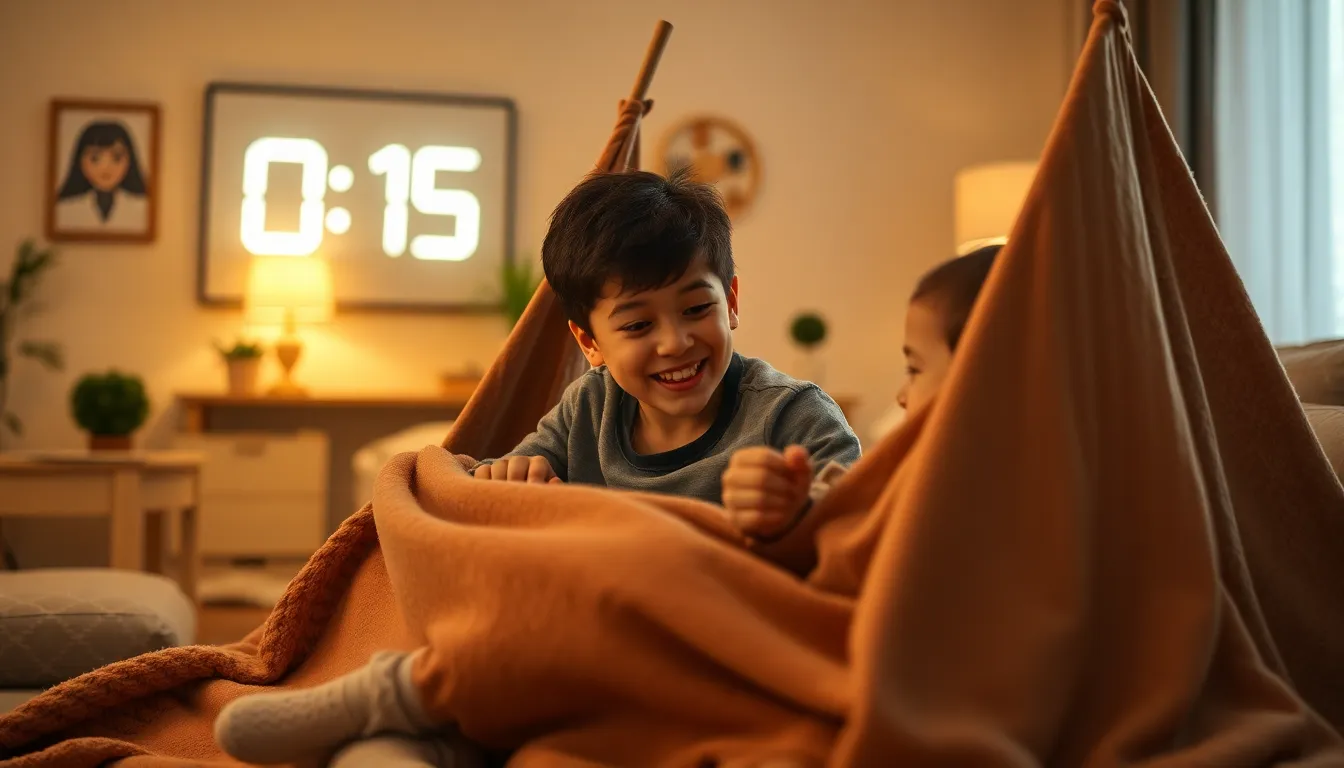
Encouraging cooperation rather than competition is also vital. Set up activities where they have to work together to achieve a common goal. This could be a building project, a scavenger hunt, or even chores like cleaning up a shared space. When they succeed together, celebrate that shared victory. This helps them see their sibling as an ally, not an adversary. What people often get wrong is assuming kids automatically know how to cooperate. They need explicit instruction and practice. It’s also important to model these behaviors. How do you and your partner or other family members resolve disagreements? Children learn by watching. If they see adults communicating respectfully and working through problems collaboratively, they are more likely to adopt those strategies themselves. Where it gets tricky is when family dynamics are already strained, or when one child is significantly more resistant to cooperative play. Small wins include successfully completing a cooperative task, even if it wasn't perfect, or seeing siblings offer a compromise without prompting.
Managing Conflict and Building Empathy
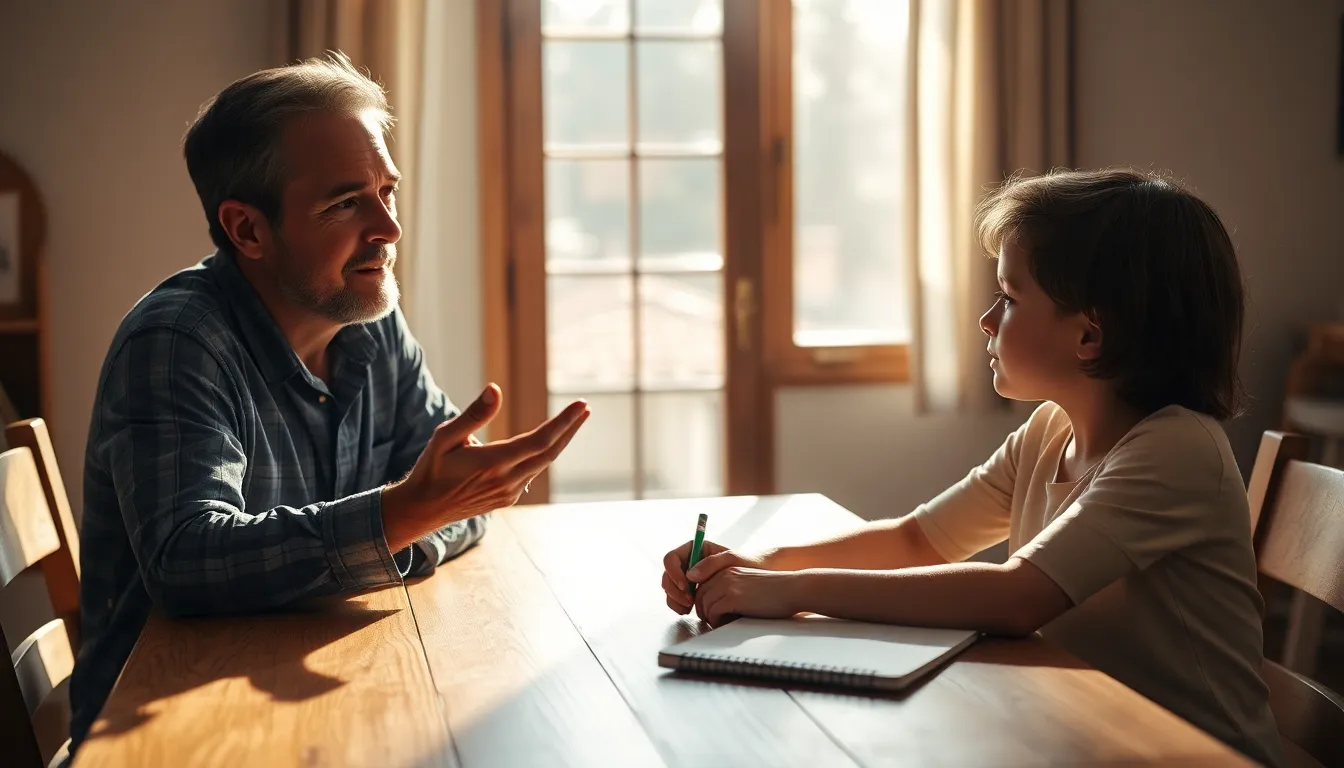
Let's talk about conflict management. It's inevitable, so the goal isn't to prevent it, but to manage it effectively. When a dispute erupts, your first job is often to be a calm mediator, not a judge. Try to separate the children if emotions are running too high. Give them some space to cool down. Then, bring them back together and encourage them to express their feelings using "I" statements. For example, "I felt angry when you took my book without asking" is much more constructive than "You're a jerk for taking my book!" This teaches them to take responsibility for their own emotions and communicate them clearly, without attacking the other person. What people often get wrong is jumping in to assign blame immediately. This often leads to one child feeling unfairly accused, and the other feeling vindicated, which doesn't resolve the underlying issue. It can be tricky because sometimes one child is clearly more in the wrong, but even then, focusing on the behavior rather than labeling the child is more productive. "Hitting is not okay" is better than "You're a bully."
Building empathy between siblings is a powerful antidote to rivalry. This means helping them understand and share the feelings of another. You can do this by pointing out how their actions might affect their sibling. "When you said that, how do you think it made Sarah feel?" or "Look, your brother is crying. What do you think is making him sad?" Encourage them to think from the other's perspective. Reading books or watching shows that explore different characters' feelings and motivations can also be a great tool. Discuss the characters' emotions and why they might have acted a certain way. What often goes wrong is assuming empathy develops naturally. It needs to be taught and nurtured. People sometimes think empathy training is only for very young children, but it's a skill that needs continuous development throughout childhood and adolescence. Where it gets tricky is when children are very egocentric, as they naturally are at certain developmental stages, or when there’s a significant age or maturity gap, making it harder for them to relate to each other's experiences.
Another practical technique is to create "peace treaties" or family agreements together. Sit down with your children and discuss rules for respectful interaction. What is acceptable behavior when they disagree? What are the consequences for breaking these agreements? Having them involved in creating these rules gives them ownership and makes them more likely to abide by them. You could also establish a "talking stick" or a designated "calm-down corner" where children can go when they need a break from each other. These are simple tools, but they provide structure for conflict resolution. Small wins that build momentum include seeing siblings successfully use "I" statements, actively listening to each other, or initiating a compromise. You might also notice them starting to offer comfort to each other when one is upset, which is a huge sign of developing empathy. It’s a process, and there will be setbacks, but consistently applying these strategies creates a foundation for healthier, more connected sibling relationships.
Quick Takeaways
- Focus on individual attention for each child to reduce competition.
- Praise unique qualities and efforts separately.
- Teach "I" statements for expressing feelings constructively.
- Encourage cooperative activities, not just competitive ones.
- Model respectful conflict resolution yourself.
- Help children understand and share each other's feelings (empathy).
- Establish clear family rules for respectful interaction together.
Conclusion
Navigating sibling rivalry isn't a one-time fix; it's an ongoing process, much like raising children themselves. What’s truly worth remembering from all this is that your role as a parent is less about being a perfect referee and more about being a thoughtful guide. It’s about creating an environment where children feel secure in their individuality, are equipped with the skills to communicate and cooperate, and are encouraged to develop empathy for one another. The squabbles, the arguments, the occasional flare-ups - they are part of the learning curve. But by understanding the root causes, focusing on building positive interactions, and managing conflicts constructively, you can steer your children toward a relationship that’s characterized more by mutual respect and affection than by constant competition. It’s about equipping them not just for childhood harmony, but for stronger, healthier relationships throughout their lives. So, be patient with yourself and with them. Small, consistent efforts to teach these skills, celebrate cooperative moments, and model healthy communication will, over time, build a foundation for a truly connected sibling bond. And that’s something truly worth striving for.