
Stepping off a plane into a country where you don't speak the language, where handshakes might be insults and eye contact could mean disrespect - that's when travel gets real. Cultural etiquette isn't about memorizing a rulebook or walking on eggshells. It's about showing up with genuine respect for the people whose home you're visiting. When you understand the unspoken rules of a place, doors open. Locals smile more freely. You stop being just another tourist with a camera and become someone worth talking to. The difference between a forgettable trip and one that changes you often comes down to these small acts of cultural awareness.
Understanding Dress Codes and Modesty Standards
What you wear says more than you think, especially in conservative regions. In many Middle Eastern countries, showing your shoulders or knees in religious sites isn't just frowned upon - it can get you turned away at the door. Women visiting mosques typically need to cover their hair, arms, and legs. Men aren't exempt either. Shorts and sleeveless shirts often aren't welcome in temples across Southeast Asia.
The Mediterranean offers a different puzzle. Beach towns like those along the Spanish coast embrace casual beachwear, but step into a cathedral in Barcelona wearing your swimsuit cover-up and you'll feel the disapproving stares. Italians dress up for evening outings. That t-shirt and flip-flop combo that works fine in California marks you instantly as a tourist in Rome.
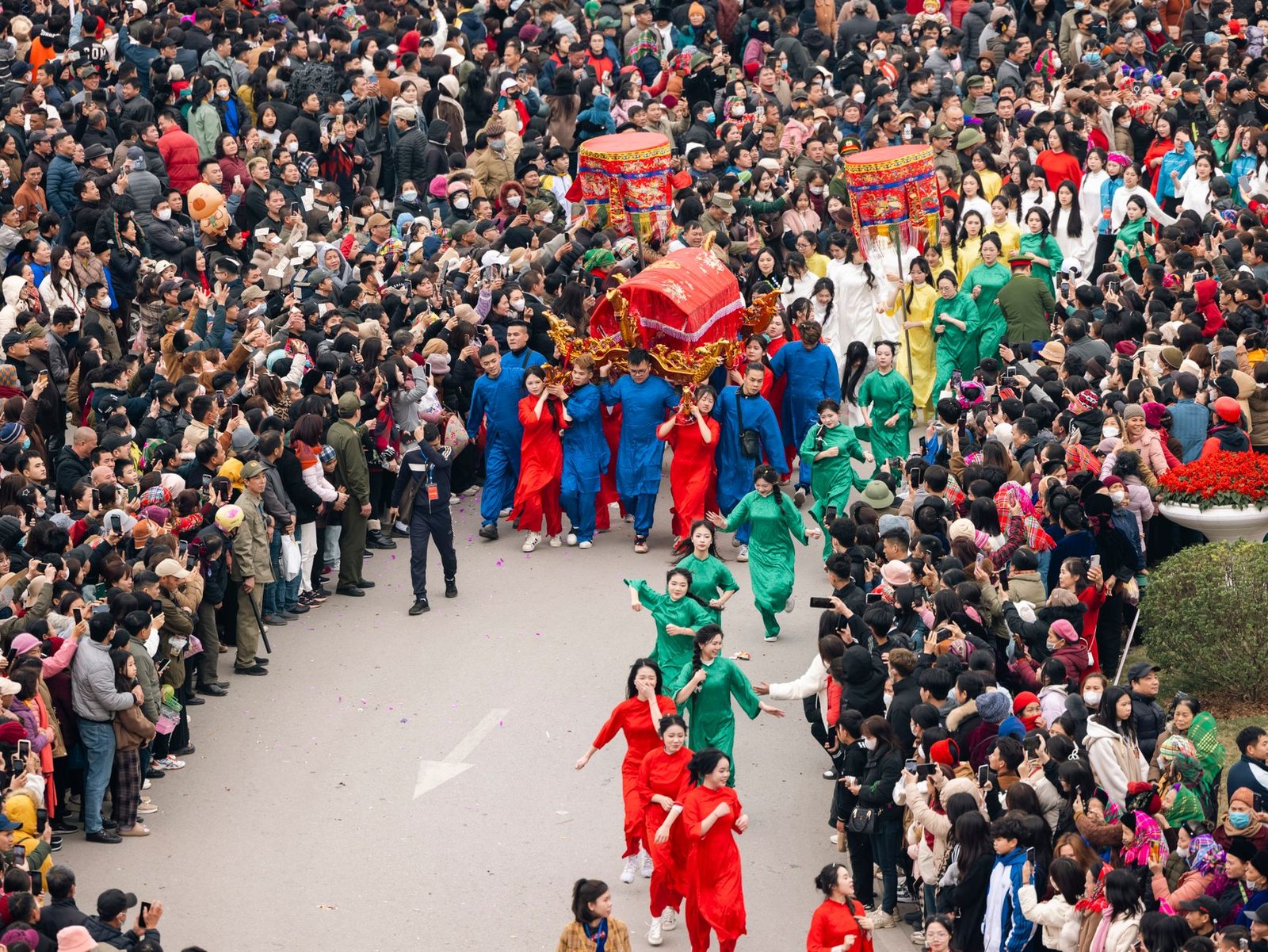
Japan presents its own complexity. The country generally embraces modern fashion, but specific contexts demand traditional respect. Remove your shoes when entering someone's home, certain restaurants, temples, and some accommodations. Travel etiquette varies dramatically across cultures, and footwear rules represent just one example of how seemingly minor details carry major significance.
Before packing for any trip, spend fifteen minutes researching dress expectations for your specific destinations. Religious sites almost always require modest coverage. Government buildings often have formal standards. Even trendy neighborhoods can have unwritten codes. When in doubt, dress slightly more conservatively than you think necessary. You can always dress down, but scrambling to cover up at a temple entrance ruins the moment.
Navigating Communication and Social Interactions
The way you greet someone varies wildly across borders. In France, expect cheek kisses (two in most regions, three in the south, four around Nantes - yes, it gets complicated). Skip the kisses in India where the namaste gesture, pressing palms together with a slight bow, shows proper respect. Business settings in Japan call for bows, with the depth and duration indicating the level of formality and respect.
Personal space isn't universal. Stand too far back during a conversation in Latin America or the Middle East and you seem cold or suspicious. People naturally stand closer during casual chats. Meanwhile, in Nordic countries and much of East Asia, maintaining distance shows politeness. That arm's length you keep feels perfectly normal in Sweden but might seem standoffish in Brazil.
Eye contact carries different meanings too. Direct, sustained eye contact in Western countries signals confidence and honesty. Try that in Japan or South Korea and you're being aggressive or disrespectful, especially with elders or authority figures. Knowing when to look someone in the eye versus when to glance away politely can make or break first impressions.
Language barriers don't excuse you from trying. Learn basic phrases - hello, please, thank you, excuse me, where is the bathroom. Those five phrases alone show you care enough to try. Locals appreciate the effort even when your pronunciation mangles their language. Download a translation app before you go. Point at menu items if needed. Gesture respectfully. But always, always try the local language first before defaulting to English.
Respecting Religious and Sacred Spaces
Religious sites aren't Instagram backdrops. They're living spaces of worship where people come to connect with something greater than themselves. That seemingly empty Buddhist temple in Thailand or that quiet church in rural Portugal - someone's grandmother probably prays there daily. Treating these spaces like tourist attractions alone shows fundamental disrespect.
Silence matters in many sacred spaces. Whisper or stay quiet entirely. Turn your phone to silent mode, not just vibrate. Some temples and mosques prohibit photography altogether. Others allow it but ban flash or request you avoid photographing people in prayer. Check the signs, ask permission, or simply put the camera away. You don't need a photo of everything.
Participation has rules too. Don't join a prayer circle or ritual unless specifically invited. Don't touch religious artifacts, statues, or offerings without permission. In Buddhist countries, never point your feet at Buddha statues or images - feet are considered the lowest and dirtiest part of the body. Don't walk directly in front of people praying. Navigate around them or wait patiently.
Head coverings go beyond mosques. Some Hindu temples require them. Sikh gurdwaras provide scarves for visitors. Jewish synagogues often expect men to wear kippah. Churches in Eastern Orthodox traditions may ask women to cover their heads. These aren't arbitrary rules - they reflect centuries of religious tradition. Respecting them costs you nothing and means everything to believers.
Managing Dining Customs and Table Manners
Food connects people across cultures, but the rules around eating change dramatically. Chopsticks seem straightforward until you accidentally commit a funeral ritual in Japan by sticking them upright in rice. Never do that. Don't pass food chopstick-to-chopstick either - another funeral custom. Rest chopsticks on the holder provided or lay them across your bowl.
Middle Eastern and some African cultures traditionally eat with their right hand only. The left hand is considered unclean, reserved for personal hygiene. Use your right hand to accept food, pass dishes, or eat communal meals. Even if you're left-handed, adapt. Similarly, in India, eating with your hands is normal and even preferred for certain dishes, but only the right hand.
Tipping creates confusion. Americans tip 15-20% almost everywhere. Try that in Japan and you'll confuse or potentially offend your server - excellent service is simply expected, already factored into prices. Some European countries include service charges automatically. Understanding local customs like tipping helps you avoid awkward situations and ensures you're respecting local service workers appropriately.
Finishing your plate sends different messages. In China, cleaning your plate suggests your host didn't provide enough food - leave a small amount. In India and the Philippines, finishing everything shows you enjoyed the meal and appreciated the hospitality. Research your destination's specific customs before sitting down to that first meal.
Alcohol deserves special attention. Many Muslim-majority countries restrict or ban alcohol entirely. Don't ask for beer in Saudi Arabia or attempt to bring alcohol into countries where it's prohibited. Even in countries where alcohol is legal, public drunkenness often carries heavier social stigma than in Western countries. Pace yourself and read the room.
Quick Takeaways
- Research dress codes before visiting religious sites - modest clothing covering shoulders and knees prevents you from being turned away
- Learn five basic phrases in the local language (hello, please, thank you, excuse me, bathroom) - the effort matters more than perfect pronunciation
- Personal space expectations vary wildly - Latin Americans and Middle Easterners stand closer during conversations while Nordic and East Asian cultures prefer more distance
- Tipping customs differ dramatically - Japan discourages tipping entirely while the U.S. expects 15-20% in most service situations
- Remove shoes when entering homes, some restaurants, temples, and accommodations in Japan and many Asian countries
- Never stick chopsticks upright in rice or pass food chopstick-to-chopstick in East Asian countries - these gestures mimic funeral rituals
- Put your camera away in sacred spaces unless permission is clearly granted - not every moment needs documentation
Conclusion
Cultural etiquette isn't a test you pass or fail. It's an ongoing conversation between you and the place you're visiting. You'll make mistakes. You'll accidentally offend someone despite your best intentions. What matters is showing up with humility and genuine curiosity. When you learn that removing your shoes matters, that covering your head shows respect, that a simple greeting in the local language opens hearts - that's when travel transforms from sightseeing into genuine human connection. The world becomes smaller and simultaneously more fascinating. Every cultural norm you learn reminds you that your way isn't the only way, just one way among thousands. That perspective shift, that expansion of understanding - that's the real souvenir worth bringing home.
FAQs
What should I do if I accidentally break a cultural rule?
Apologize sincerely and immediately. Most locals understand that visitors make honest mistakes and will appreciate your acknowledgment. A simple "I'm sorry, I didn't know" in their language or English usually smooths things over. Don't get defensive or make excuses. Learn from the mistake and adjust your behavior going forward. Cultural missteps happen to even experienced travelers.
How can I research cultural customs before traveling?
Start with reputable travel guides and government travel advisory websites, which often include cultural sections. Read travel blogs written by people who've recently visited or lived in your destination. Join online forums and Facebook groups dedicated to that region. Watch YouTube videos from local creators. Consider taking a short online course about the culture. Most importantly, remain flexible - written rules don't capture every nuance of real interactions.
Is it offensive to decline food or drink offered by locals?
Context matters greatly. In many cultures, especially Middle Eastern, Central Asian, and Mediterranean regions, refusing hospitality can seem rude. Try to accept at least a small amount. If you have dietary restrictions or allergies, explain politely. Many hosts will understand and offer alternatives. When alcohol is offered but you don't drink, a polite "No thank you, but I'd love some tea" usually works. The key is declining gracefully while showing appreciation for the gesture.
Should I always cover up even if I see locals wearing less modest clothing?
Generally yes, especially in conservative regions and religious contexts. Local residents have different social permissions than visitors. What's acceptable for a local might not extend to tourists. Women living in conservative countries often navigate complex social rules that differ between their own communities and interactions with outsiders. When visiting sacred sites or rural areas, err on the side of modesty regardless of what some locals wear. Tourist areas in major cities usually offer more flexibility, but "when in doubt, cover more" remains solid advice.