

Raising children who can think for themselves, take ownership of their actions, and navigate the world with confidence is one of the most important jobs a parent has. Yet it often feels easier to do things for them - tying shoes, packing backpacks, solving playground conflicts - than to step back and let them struggle. The truth is, responsibility and independence aren't traits children develop simply by getting older. They're skills that need to be taught, practiced, and reinforced through daily life. When parents understand how to create opportunities for growth while offering the right kind of support, children learn to trust their own judgment and develop the resilience they'll need throughout their lives.
Why Independence and Responsibility Matter More Than Ever
We live in a world that demands adaptability. Children today will face jobs that don't yet exist, technology we can't imagine, and challenges we haven't anticipated. The ability to make decisions, learn from mistakes, and take responsibility for outcomes isn't just nice to have - it's essential for survival and success.
Yet many parents struggle with the balance between protection and freedom. We want to shield our children from harm, disappointment, and failure. This instinct is natural, but when taken too far, it backfires. Overprotective parenting, sometimes called helicopter parenting, can actually prevent children from developing the autonomy they need. When parents hover over every decision and rush to solve every problem, children miss crucial opportunities to build problem-solving skills and emotional resilience.
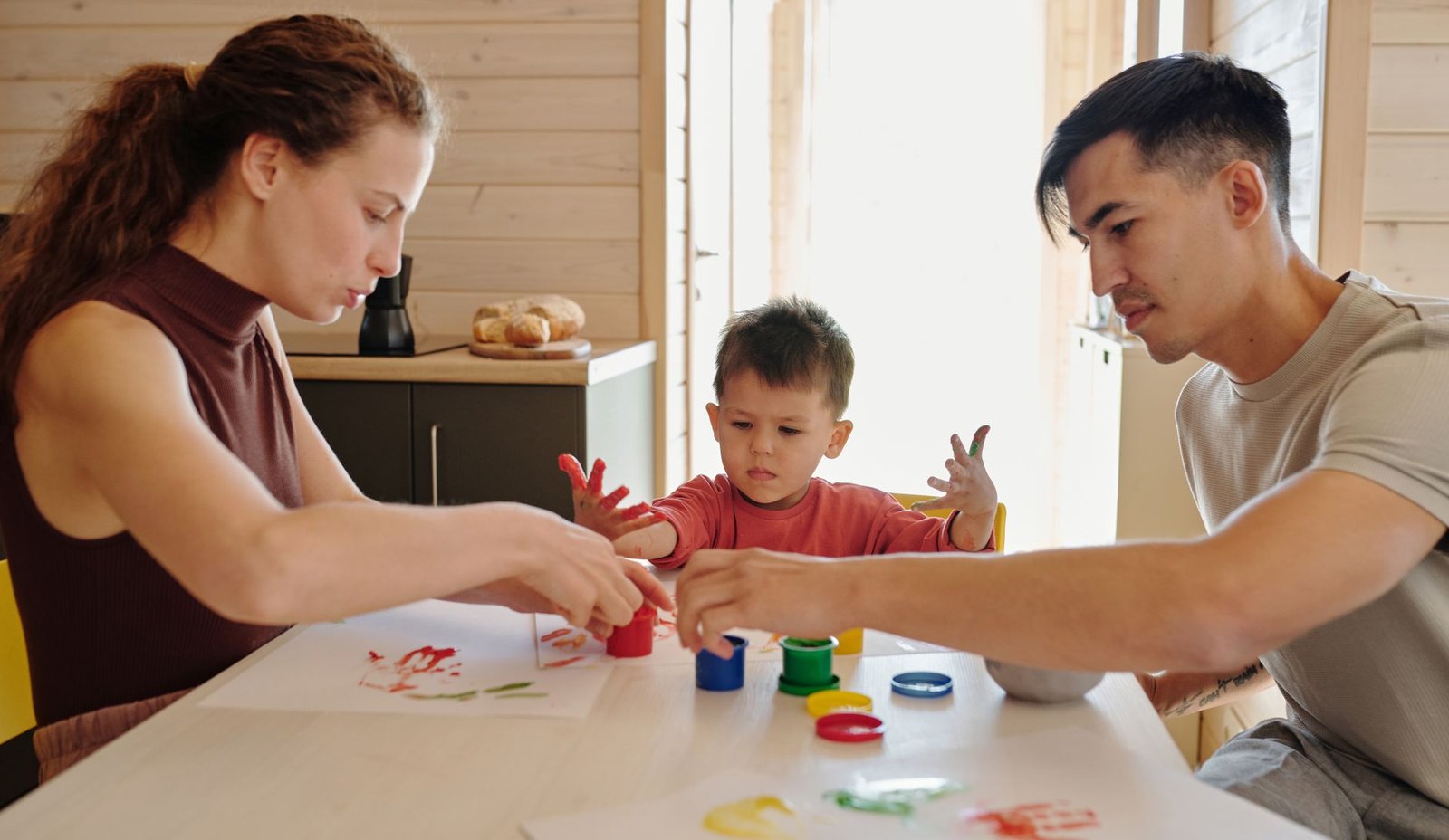
Responsibility is a learned skill that develops over time through practice, modeling, and guidance. It doesn't happen automatically when a child turns a certain age or reaches a particular grade. Just as you wouldn't expect a child to play piano without lessons and practice, you can't expect them to become responsible without intentional teaching and real-world experience.
The benefits extend far beyond childhood. Research consistently shows that children who develop independence and responsibility early tend to have better academic outcomes, stronger relationships, and greater career success. They're more likely to persevere through challenges because they've learned that temporary failure is part of learning, not something to avoid at all costs.
Model the Behaviors You Want to See
Children are always watching. They notice how you handle stress, admit mistakes, keep commitments, and treat other people. According to Psychology Today, children learn by observing adults, making it crucial to model respectful and responsible behaviors in your own life.
This means being honest about your own imperfections. When you make a mistake, acknowledge it out loud. Say things like, "I forgot to return that library book on time. I need to be more organized with my reminders." Or, "I got frustrated and raised my voice. That wasn't fair to you, and I'm sorry." These moments teach children that everyone makes mistakes and that taking responsibility is how we grow.
Show them what problem-solving looks like in real time. Talk through your thought process when you face a challenge. "The recipe calls for an ingredient we don't have. What could we use instead?" or "The car won't start. Let me think through what might be causing this." You're giving them a window into how adults navigate uncertainty.
Your relationship with work, commitments, and other people also sends powerful messages. Do you follow through on what you say you'll do? Do you treat service workers with respect? Do you manage your time well or constantly rush and complain about being overwhelmed? Children absorb these patterns and often replicate them in their own lives.
Give Age-Appropriate Responsibilities and Choices
One of the most effective ways to build responsibility is through household chores. Giving children chores and allowing them to contribute to the household fosters a sense of responsibility and value, promoting self-worth. When children see that their efforts matter to the family's functioning, they develop pride in their contributions.
Start small and age-appropriate. A three-year-old can put toys in a bin or help set the table. A seven-year-old can make their bed, feed a pet, or help fold laundry. A twelve-year-old can prepare simple meals, do their own laundry, or manage their homework schedule with minimal oversight. The key is consistency - chores shouldn't be optional or dependent on your mood.
Allowing children to make age-appropriate decisions and learn from their mistakes helps provide the confidence they need to make their own choices. This doesn't mean letting a five-year-old decide whether to go to school, but it does mean offering real choices within appropriate boundaries. "Do you want to wear the red shirt or the blue one?" "Would you rather do homework before or after dinner?" "You have twenty dollars to spend at the store - how do you want to use it?"
When children make poor choices, resist the urge to immediately rescue them. If your daughter forgets her lunch, let her experience being hungry rather than rushing to school with it. If your son spends all his allowance on day one, don't advance next week's money. Natural consequences are powerful teachers, and children remember these lessons far better than lectures.
This approach requires patience. Your ten-year-old will pack their backpack less efficiently than you would. Their room won't meet your standards of clean. But perfection isn't the goal - growth is. When you prioritize learning over perfect execution, you give children space to develop competence at their own pace.
Create Space for Struggle and Problem-Solving
Perhaps the hardest part of raising independent children is watching them struggle. Every parent has felt the urge to jump in when their child faces a difficult math problem, a social conflict, or a frustrating task. But struggle is where learning happens.
The Child Mind Institute emphasizes the importance of raising confident, independent children by giving them the skills and space they need to solve their own problems. When you immediately solve every problem for your child, you send the implicit message that you don't trust their ability to handle challenges.
Instead, become a coach rather than a fixer. When your child comes to you with a problem, respond with questions: "That sounds frustrating. What have you tried so far?" "What do you think might work?" "What would happen if you tried that?" Guide them toward solutions without providing the answers directly.
This doesn't mean abandoning them. If a child is genuinely stuck or the problem is beyond their developmental level, you should help. The difference is in how you help. Rather than doing it for them, you might break the task into smaller steps, offer a hint, or work alongside them as a collaborator rather than taking over.
Praise effort and strategy, not just outcomes. Instead of "You're so smart!" try "I noticed you kept trying different approaches until you figured it out." This reinforces the idea that persistence and problem-solving are valuable skills, not just getting the right answer quickly.
Let children experience appropriate levels of risk. A seven-year-old can pour their own milk even though they might spill. A ten-year-old can ride their bike to a friend's house a few blocks away. A teenager can navigate public transportation or resolve a conflict with a teacher. When children take on challenges and succeed, their confidence grows exponentially.
Quick Takeaways
- Responsibility is a learned skill that develops through practice and guidance, not automatically with age
- Children learn most effectively by observing adult behavior, so model the responsibility and respect you want to see
- Age-appropriate chores and household contributions build self-worth and teach accountability
- Allowing children to make decisions and experience natural consequences develops judgment and confidence
- Helicopter parenting and overprotection can hinder the development of autonomy and independence
- Acting as a coach rather than a fixer teaches problem-solving skills that last a lifetime
- Praising effort and persistence rather than innate ability encourages resilience and growth
Conclusion
Raising responsible and independent children isn't about pushing them out of the nest too early or withholding support when they genuinely need it. It's about recognizing that your job as a parent evolves as they grow. What serves a toddler - constant supervision, doing things for them, protecting them from every bump - becomes a barrier to development in older children.
The goal isn't perfection or rushing them toward adulthood. It's about creating daily opportunities for your children to practice skills they'll need throughout their lives: making decisions, solving problems, contributing to their community, learning from mistakes, and taking ownership of their choices. These small moments add up to big outcomes.
Yes, it's often faster and easier to do things yourself. Yes, watching your child struggle can be uncomfortable. But when you step back and let them take the lead - with appropriate support and safety nets - you give them something far more valuable than temporary comfort. You give them the confidence to trust themselves, the resilience to handle setbacks, and the skills to navigate an unpredictable world. That's the kind of preparation that matters long after they leave your home.
FAQs
At what age should children start doing chores?
Children can begin contributing to household tasks as early as age two or three with very simple activities like putting toys in a bin or helping carry light items. As they grow, gradually increase the complexity and independence of tasks. By age five or six, most children can handle regular responsibilities like making their bed, setting the table, or feeding pets. The key is matching the task to their developmental level and being patient with imperfect execution as they learn.
How do I stop myself from being overprotective?
Start by identifying which of your protective behaviors are truly about safety and which are about your own anxiety. Ask yourself: "What's the worst realistic outcome here?" Often, the answer is minor and temporary - a scraped knee, a forgotten item, a moment of disappointment. Gradually expose yourself to small risks by letting your child handle age-appropriate challenges while you observe from a distance. It also helps to connect with other parents who prioritize independence, as they can normalize the discomfort and support your efforts to step back.
What if my child refuses to do their assigned chores?
First, make sure expectations are clear and age-appropriate. Then, implement natural consequences rather than endless reminders or punishment. If chores are tied to privileges like screen time or allowance, the connection becomes clear quickly. Stay calm and consistent - don't nag or do the chore yourself in frustration. Simply enforce the agreed-upon consequence every time. Most children will comply once they realize you're serious and the expectation won't disappear. It may take several repetitions before the lesson sticks.
How can I teach responsibility without crushing my child's spirit?
The key is separating the behavior from the child's worth. When addressing a mistake or irresponsible choice, focus on the specific action and its impact rather than labeling the child. Say "You forgot to complete your project, and now you'll need to work on it during free time" instead of "You're so irresponsible." Also, celebrate progress and effort, not just perfect outcomes. Create an environment where mistakes are expected parts of learning, not shameful failures. When children feel safe to fail, they're more willing to try, and that's where real growth happens.