
How to Turn Your Tiny Home Into a Spacious Haven
Living in a small space doesn't mean you have to feel cramped or overwhelmed by clutter. Actually, some of the most comfortable homes I've visited have been under 800 square feet. The secret isn't about having less stuff - well, not entirely. It's about being really smart with how you arrange, store, and use every inch you've got.
Small space living has become more common than ever, whether by choice or necessity. Maybe you're in a studio apartment, a tiny house, or just dealing with a compact city home. The good news? There are proven strategies that can make your space feel significantly larger and more functional. The trick is knowing which design principles actually work and which ones are just Instagram-worthy but impractical.
Think about it this way - hotels manage to pack everything you need into a relatively small room, and you feel comfortable there. Your home can work the same way with the right approach. It's about creating zones, choosing furniture that pulls double duty, and being strategic about storage. Let's break down exactly how to do that.
Master the Art of Vertical Storage
When floor space is limited, you need to think upward. Most people use maybe 60% of their vertical space, which is honestly a huge missed opportunity. The wall space above your eye level is prime real estate for storage that doesn't make your room feel cluttered.
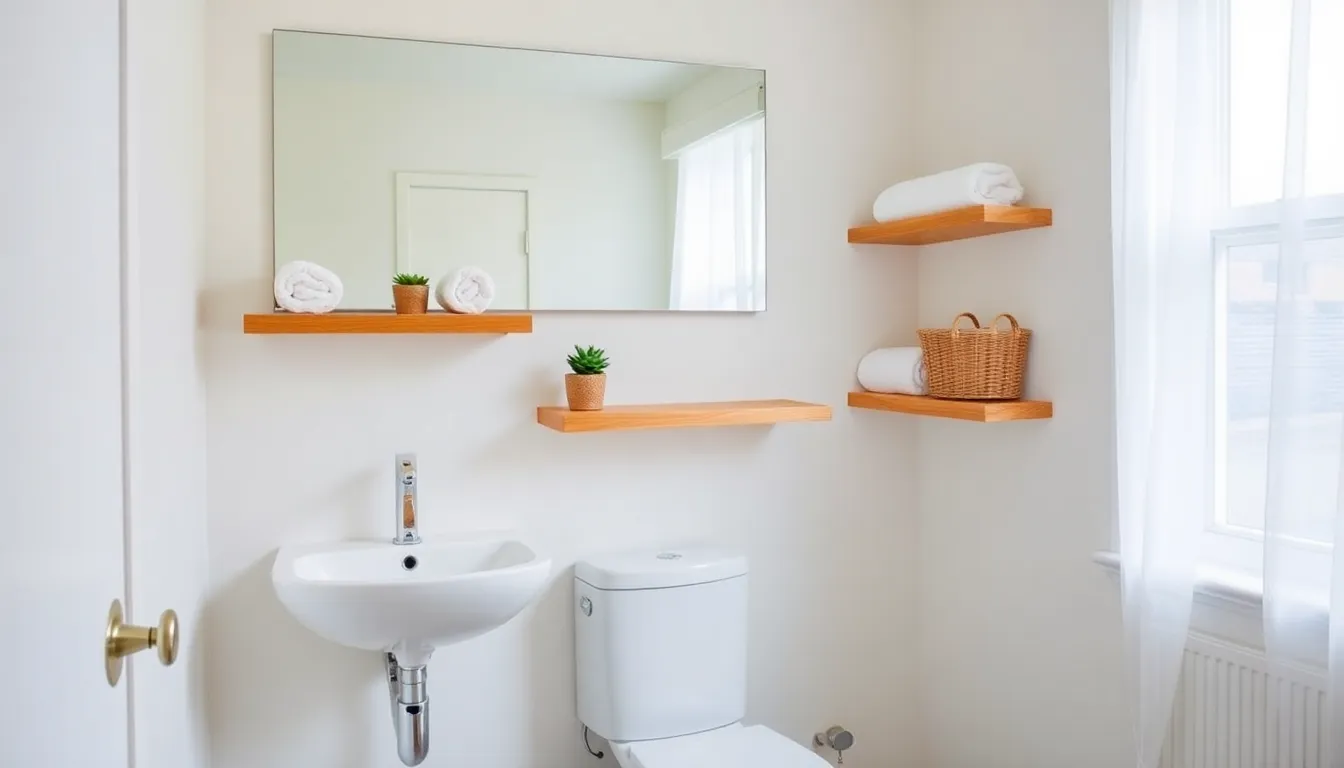
Start with floating shelves - they're your best friend in small spaces. But here's where people go wrong: they install them too low or space them too close together. Mount your shelves at least 7 feet high for items you don't need daily access to. Things like extra bedding, seasonal clothes, or books you've already read can live up there.
Over-the-door organizers are another game changer, but not just for shoes. I use them for cleaning supplies, toiletries, and even pantry items. The back of a bedroom door can hold a surprising amount of stuff without taking up any floor space. Just make sure you get the kind that hangs over the door rather than requiring screws - your landlord will thank you.
Wall-mounted desks that fold down are perfect if you work from home but don't have room for a dedicated office. When you're not working, it disappears completely. Same goes for Murphy beds, though those are a bigger investment. The key is furniture that can literally vanish when not in use.
Here's something most people don't think about - the space above doorways and windows. You can install small shelves there for decorative items or things you rarely need. It draws the eye upward, which actually makes your ceiling feel higher.
Choose Furniture That Works Overtime
Every piece of furniture in a small space needs to justify its existence. If it only does one job, it's probably not the right choice. Storage ottomans are obvious, but let's talk about some less obvious multi-functional pieces that really make a difference.
A dining table that extends can serve as your everyday eating spot and transform into a workspace or entertaining area when needed. But here's the thing - make sure the extension mechanism is actually easy to use. If it's a pain to set up, you'll never do it. I learned this the hard way with a table that required two people and ten minutes to extend.
Bed frames with built-in drawers are incredibly practical, but measure carefully first. You need at least 3 feet of space on the sides to actually access those drawers comfortably. Platform beds with storage underneath work well too, though you'll be dealing with lifting the mattress to get to your stuff.
Nesting tables are brilliant because they take up the footprint of one table most of the time, but you can pull out extra surfaces when you need them. Same concept works with nesting stools that can serve as extra seating or side tables.
Here's where it gets tricky though - avoid furniture that's too small for your space. I know that sounds backwards, but tiny furniture in a small room actually makes the space feel more cramped. One properly sized sofa looks better than two small chairs that don't quite fit anywhere.
Mirrors deserve their own mention here. A large mirror opposite a window can literally double the amount of light in your room and create the illusion of depth. But placement matters - avoid putting mirrors where they'll reflect clutter or create awkward sightlines.
Create Distinct Zones Without Walls
Open floor plans are great until you realize you're eating dinner on the same surface where you work all day. Creating separate zones in a small space takes some creativity, but it's totally doable without building actual walls.
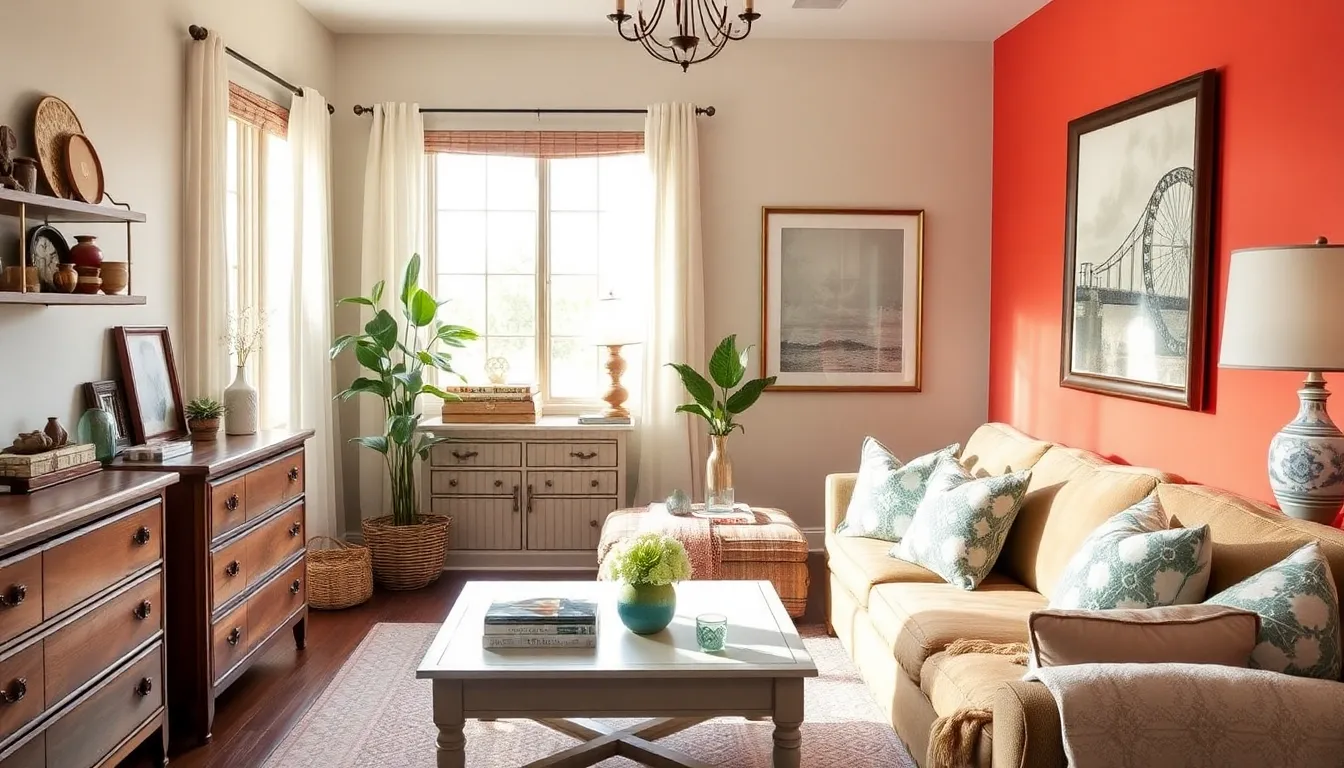
Rugs are probably the easiest way to define different areas. A rug under your dining table creates a clear eating zone, while another rug in front of your sofa establishes the living area. The trick is making sure the rugs are large enough - too small and they just look like scattered decoration rather than purposeful design.
Bookcases or tall plants can act as room dividers without blocking light or airflow. I've seen people use curtains on ceiling tracks to create temporary privacy when needed. The curtains can be pulled back completely when you want the space to feel open.
Lighting plays a huge role in zone creation too. Different light sources help your brain understand that different activities happen in different areas. A pendant light over the dining table, a floor lamp by the reading chair, and maybe string lights to create a cozy bedroom corner.
Here's something that works really well - change the level of different zones. A platform bed raises your sleeping area and creates storage underneath. Bar-height tables take up less floor space than regular dining tables and create a visual separation between the kitchen and living area.
The key is being intentional about how you arrange things. Even in a studio apartment, you can have a distinct sleeping area, living area, and work area if you think about sightlines and furniture placement.
Tackle Clutter Before It Takes Over
Let's be honest - clutter management in a small space isn't optional. There's nowhere to hide mess, so you need systems that actually work for your lifestyle. The good news is that small spaces force you to be more organized, which often leads to better habits overall.
The "one in, one out" rule is non-negotiable in small spaces. Every time you bring something new home, something else needs to leave. It sounds harsh, but it's the only way to prevent accumulation from overwhelming your space. This applies to everything - clothes, kitchen gadgets, books, even toiletries.
Daily 10-minute tidying sessions work better than weekend cleaning marathons in small spaces. Set a timer and just put things back where they belong. In a small space, 10 minutes of focused tidying can completely transform how your home feels.
Storage solutions need to be convenient or they won't get used. If you have to move three things to put something away, you probably won't do it consistently. This is why open storage sometimes works better than closed storage in small spaces - you can see everything and access it easily.
Here's where people often go wrong - they buy storage containers before they declutter. Sort through your stuff first, decide what actually needs to stay, then figure out how to store it. Otherwise you're just organizing clutter, which doesn't really solve the problem.
Seasonal rotation is crucial when you don't have space for everything at once. Store out-of-season clothes in vacuum bags under the bed or in high closet shelves. Swap out decorative items periodically so your space feels fresh without requiring more stuff.
Quick Takeaways
- Use vertical wall space above eye level for items you don't need daily - it's prime real estate most people ignore
- Every piece of furniture should serve multiple purposes, but don't sacrifice comfort for functionality
- Large mirrors opposite windows double natural light and create depth illusions that really work
- Define zones with rugs, lighting, and furniture placement rather than permanent walls
- Daily 10-minute tidying beats weekend cleaning marathons in small spaces
- The "one in, one out" rule isn't optional - it's the only way to prevent clutter takeover
- Storage solutions must be convenient to access, or you won't use them consistently
Frequently Asked Questions
Q: What's the biggest mistake people make when decorating small spaces?
A: Choosing furniture that's too small for the space, thinking it will make the room feel bigger. Actually, one appropriately sized piece looks better and functions better than several tiny pieces that don't quite fit anywhere.
Q: How do you make a small space feel less cluttered without getting rid of everything?
A: Focus on closed storage solutions and keep surfaces as clear as possible. The visual clutter is what makes a space feel cramped, not necessarily the amount of stuff you own, as long as it has designated homes.
Q: Is it worth investing in expensive space-saving furniture for a rental apartment?
A: Stick to portable solutions like storage ottomans, floating shelves that don't require major installation, and furniture pieces you can take with you. Save the built-ins for when you own your space.
Q: How do you create privacy in a studio apartment without permanent walls?
A: Use tall bookcases, curtains on ceiling tracks, or folding screens that can be moved as needed. Plants and furniture arrangement can also create visual separation without blocking light or airflow.
Making It Work Long-Term
Small space living isn't about deprivation - it's about being intentional with your choices. The strategies that work best are the ones that fit naturally into your daily routine. If a storage solution requires too much effort or a furniture piece doesn't actually improve your life, it's not the right choice for your space.
The real win with small space living is discovering that you probably need less than you think to be comfortable and happy. Many people find that living in a smaller space actually reduces stress because there's less to maintain and organize. Everything has its place, and you know where to find what you need.
Remember that your space will evolve as your needs change. What works when you're living alone might need adjustment if you're sharing the space with someone else. Stay flexible and be willing to rearrange or swap out furniture as your lifestyle changes. The goal isn't to create a magazine-perfect space - it's to create a home that works well for how you actually live.