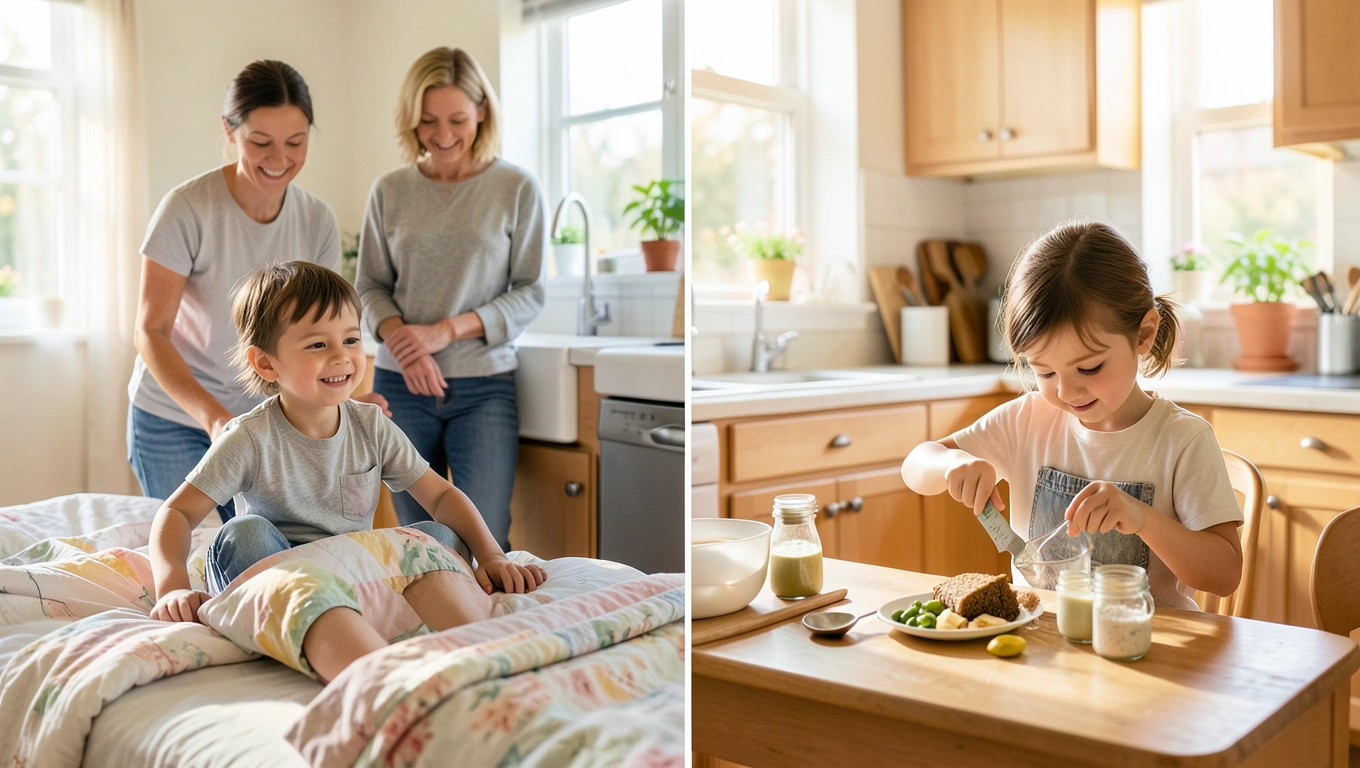

Building Strong Bonds While Raising Confident, Well-Adjusted Kids
Parenting is messy, rewarding, and honestly - sometimes feels like you're making it up as you go. The good news? There's no such thing as a perfect parent, and your kids don't need one. What they do need is someone who shows up, listens, and creates space for them to grow into their own person. Positive parenting isn't about getting everything right or following a rigid rulebook. It's about building real connection with your children, setting clear boundaries they understand, and handling mistakes - yours and theirs - with grace. If you're tired of guilt-tripping yourself or feeling like you're constantly battling your kids, this article breaks down practical positive parenting techniques that actually work in real life, not just in theory.
Listen More Than You Speak - The Power of Real Attention
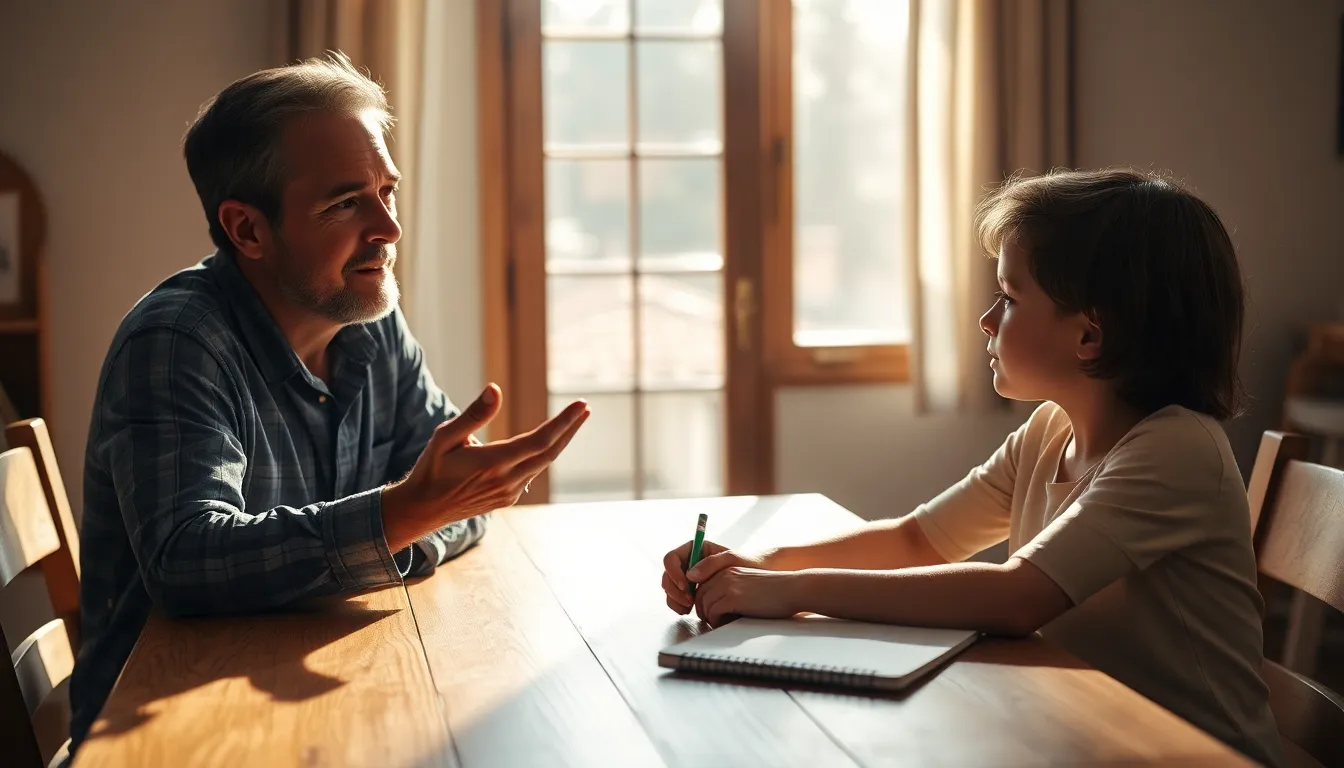
Here's something that sounds simple but takes genuine effort: actually listening to your kids. Not half-listening while scrolling your phone or planning dinner. Not listening while you're already formulating what you'll say next. Real, focused listening where you're genuinely curious about what your child is experiencing.
When kids feel heard, something shifts. They're less likely to act out for attention, more willing to open up about real problems, and they develop better communication skills by watching you model it. The tricky part? Kids can tell when you're faking it. If you're distracted or impatient, they'll notice immediately and clam up.
Start small. Maybe it's ten minutes after school where phones are put away and you ask open-ended questions: "What was the best part of your day?" or "Who did you play with at recess?" Let them talk without interrupting. You might be surprised what comes out when there's actual silence and space for them to fill it.
Common mistake: turning listening time into a lesson or correction moment. Your child shares that they felt left out at lunch, and instead of just validating that feeling, you jump to solutions or advice. Sometimes kids just need to know someone gets it. The problem-solving can come later, or it might not even be needed. When your child feels understood first, they're actually more open to guidance afterward.
What you'll notice: conversations get deeper, kids ask for your opinion more often, and arguments become less about fighting for control and more about actually working through disagreements together.
Set Boundaries with Compassion - Rules That Make Sense
Boundaries get a bad rap sometimes, like they're the opposite of love. Actually, the opposite of love is chaos. Kids need to know what's expected of them, what happens when they cross a line, and that you'll follow through. That structure actually feels safer to them, even if they don't say it out loud.
The difference between positive parenting and old-school parenting comes down to why the boundary exists and how you enforce it. "Don't hit your sister because I said so" teaches obedience out of fear. "We don't hit because hitting hurts people and we care about each other" teaches something the child can actually understand and apply in different situations.
When you set a boundary, explain the reason. Keep it simple for younger kids: "We hold hands in the parking lot so you stay safe." For older kids: "Gaming ends at nine because sleep matters for your brain and your mood tomorrow." Your child might not like the boundary, but they can respect the logic behind it.
Here's what actually works: consistent follow-through without anger. If the rule is no screens during dinner and your kid sneak their phone anyway, the consequence isn't yelling or shame. It's a simple, predictable response you've already explained: "I see you grabbed your phone. Screens go away during our meal together. We'll try again tomorrow." No drama, no lecture, just matter-of-fact enforcement.
The weird part? Kids push back less when they know you mean what you say and that consequences aren't about punishment - they're about teaching. They also test boundaries less often once they realize the boundary actually exists.
Handle Your Own Emotions First - Your Calm Sets the Temperature
One of the hardest parts of positive parenting isn't about the kids at all. It's managing your own stress, frustration, and reactivity. Kids are excellent mirrors. When you're dysregulated, they pick up on it immediately, and suddenly you've got a house full of dysregulated people.
What this really means: you can't parent from a place of overwhelm. If you're at your limit, everything feels harder. Your kid spills juice and instead of it being a minor cleanup, it feels like a personal attack. They forget their homework and you're convinced they're irresponsible. Your nervous system is just flooded.
The practice here is building your own emotional awareness. When you feel frustration rising, can you notice it before you explode? Can you step away for two minutes - literally excuse yourself and take some breaths? Can you say out loud: "I'm getting frustrated, so I need a pause"? That's actually teaching your kids more than anything else could.
This is also where parents get stuck thinking they have to be perfect. You don't. You will lose your patience. You will snap at your kid when they didn't deserve it. What matters is what happens next. You come back, you acknowledge it: "I got angry and yelled, and that wasn't okay. You didn't do anything wrong. I was just overwhelmed." That's a lesson in accountability and repair that's worth more than never messing up.
Tools that help: knowing your personal triggers, having a stress-relief practice that actually works for you (not just what sounds good), and being honest about when you need help or a break. Taking care of yourself isn't selfish - it's the foundation for everything else.
Validate Feelings While Setting Limits on Behavior - Two Separate Things
This concept gets mixed up a lot, but it's crucial. Your kid can feel angry, sad, disappointed, or jealous. Those feelings are always valid. What they do with those feelings - that's where limits apply.
"I see you're really angry right now. It makes sense - you didn't get the toy you wanted. You can feel angry. What you can't do is hit your brother." Both things are true at the same time. The feeling is completely okay. The behavior has a boundary.
When you separate feelings from behavior, kids learn that emotions aren't dangerous or shameful. They're information. They also learn that having a big feeling doesn't mean you get to hurt someone or break things. They develop the ability to sit with hard feelings and figure out what to do with them.
Without this separation, kids either repress their emotions (which causes problems later) or they think that having a feeling gives them permission to act on it however they want. Neither is helpful.
Quick Takeaways
- Real listening - phones down, genuine curiosity - builds trust and reduces acting-out behavior
- Boundaries with clear reasoning teach kids values, not just rules
- Your emotional regulation directly affects your kids' ability to regulate themselves
- Feelings are always valid; behaviors sometimes need limits
- Consistency matters more than perfection - follow through on what you say
- Admitting when you mess up teaches more than getting it right every time
- Small, connected moments add up to strong relationships over years
Frequently Asked Questions
Q: What should I do when my child is throwing a tantrum in public?
A: Stay calm, keep them safe, and remember that their big emotion doesn't require you to react with a big emotion. You can either wait it out calmly, remove them to a quieter space if possible, or acknowledge the feeling ("You're really upset") without giving in to an unreasonable demand. After they've calmed down, you can talk about what happened. Consistency here teaches them that tantrums don't change your boundaries.
Q: How do I encourage my child to make better choices without controlling them?
A: Give them choices within boundaries you've set. Instead of "You have to go to bed," try "Do you want to read two books or three before sleep?" Instead of "Eat your vegetables," offer "Would you prefer the broccoli or the carrots?" They feel more autonomous, you still guide the outcome. This works remarkably well because kids feel ownership of their decisions.
Q: What's the difference between positive parenting and just letting kids do whatever they want?
A: Positive parenting has clear boundaries and follow-through; it's just done with respect and understanding rather than fear or shame. Letting kids do whatever they want is actually the opposite - it leaves them feeling untethered and anxious. Kids need both safety and autonomy to thrive.
Q: How do I repair things after I've yelled at my child unfairly?
A: Do it soon, do it sincerely, and don't over-explain. "I yelled at you earlier and that wasn't okay. You didn't deserve that. I was frustrated about something else, but that doesn't excuse how I treated you. I'm sorry." Then move forward. That's it. No excessive guilt or turning it into a bigger thing than it needs to be.
Conclusion
Positive parenting comes down to a few core things: seeing your kid as a whole person with real feelings, creating structure that makes sense to them, and treating mistakes - yours and theirs - as teaching moments instead of failures. It's not about being permissive or never setting limits. It's actually the opposite. It's about being intentional with your boundaries, clear about your reasoning, and willing to show up honestly even when you mess up.
The hardest part isn't usually understanding the techniques. It's the consistency, the patience when you're exhausted, and the willingness to examine your own reactions before you respond to your child's behavior. Some days you'll nail it. Some days you'll lose it and feel terrible afterward. That's normal. What matters is the overall direction - are you building connection, are you teaching your kids that feelings are manageable, are you showing them what respect and accountability look like?
Your kids don't need a perfect parent. They need a present one. Someone who listens, follows through, and models how to be human - imperfections and all. That's the foundation of positive parenting, and honestly, that's something every parent can actually do.