
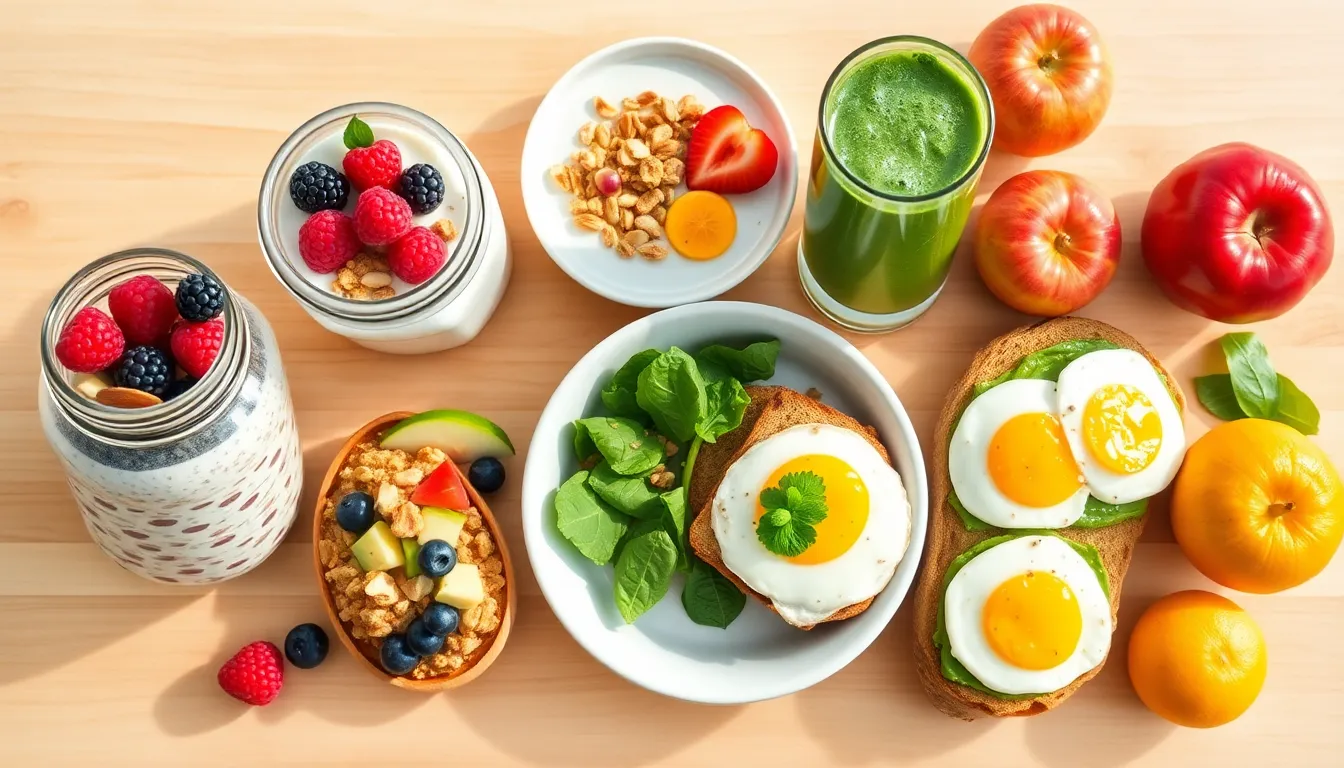
You roll out of bed, stumble to the kitchen, and reach for whatever's quickest. A granola bar. Leftover pizza. Maybe just coffee. We've all been there. But here's the thing - what you eat in the morning sets the tone for your entire day. A rushed, sugar-loaded breakfast can leave you crashing by 10 a.m., while a balanced meal keeps your energy steady and your mind sharp. The good news? Eating well in the morning doesn't have to mean waking up at dawn to cook a feast. With a little planning and the right ingredients, you can fuel your body properly without adding stress to your routine.
Why Your Morning Meal Actually Matters
Your body just spent eight hours fasting. During that time, your glucose stores - the fuel your brain and muscles run on - got depleted. When you skip breakfast or grab something that's mostly sugar and refined carbs, you're setting yourself up for an energy roller coaster that affects everything from your concentration to your mood.
Research shows that people who eat breakfast regularly tend to consume more essential vitamins and minerals throughout the day. We're talking about calcium for bone health, magnesium for muscle function, and fiber for digestion. Breakfast eaters also tend to have better cognitive performance - sharper memory, improved attention span, and faster problem-solving abilities. This isn't just true for kids heading to school; adults see the same benefits at work.
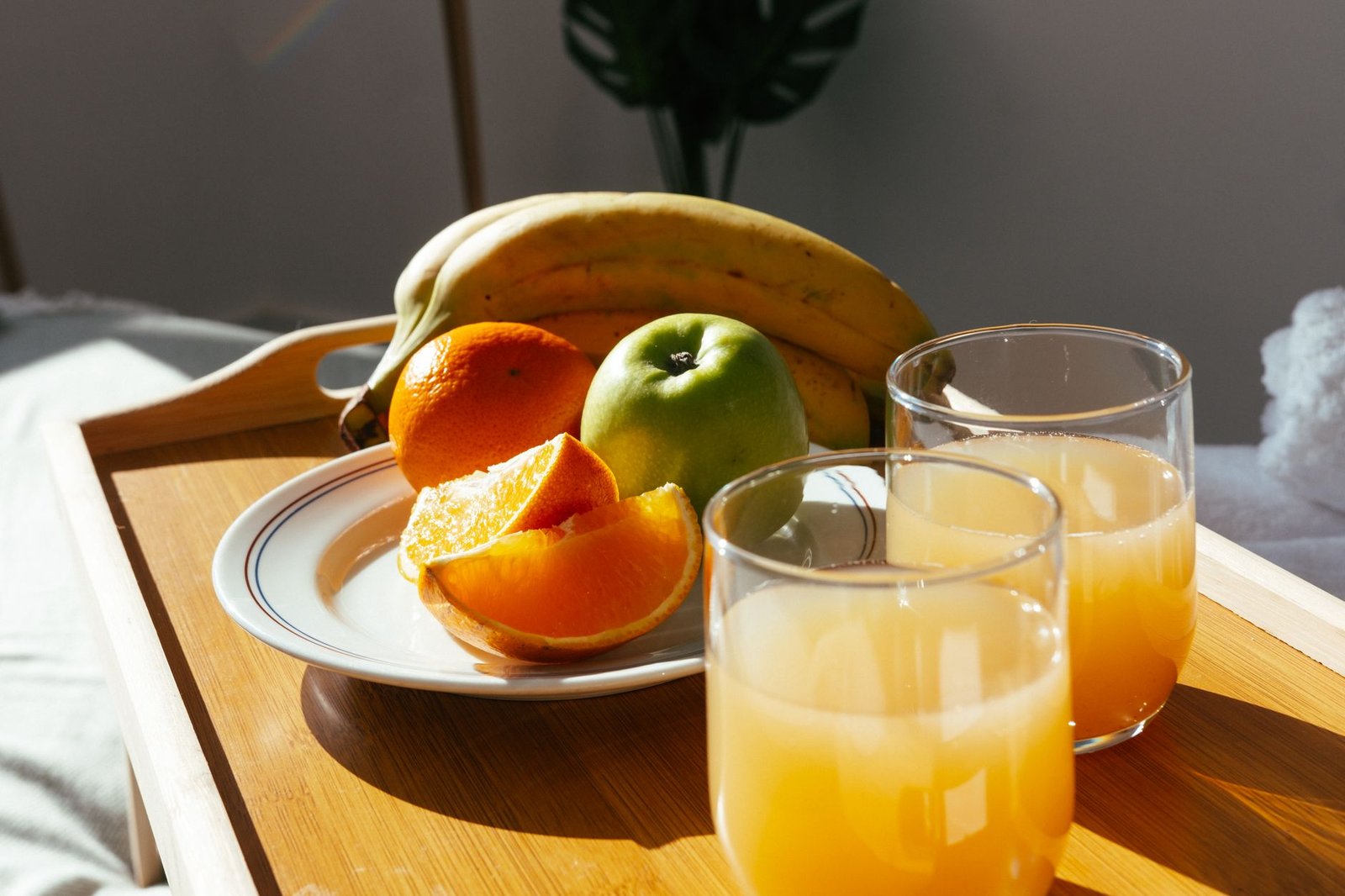
Think about your metabolism like a car engine. It needs fuel to run efficiently. When you eat a balanced breakfast, you signal to your body that it's time to start burning calories rather than hoarding them. This metabolic boost can help with weight management, especially when your breakfast includes protein and fiber. These nutrients slow down digestion, keeping you fuller longer and preventing those mid-morning snack attacks that derail your eating plans.
The key word here is balanced. A donut and coffee might technically be breakfast, but it won't give you these benefits. You need a combination of complex carbohydrates, protein, healthy fats, and fiber to keep your blood sugar stable and your energy consistent.
Quick and Nutritious Options for Busy Mornings
Let's be realistic - most of us don't have an hour to cook every morning. That's why make-ahead and quick-assembly breakfasts are your best friends. Overnight oats top the list for convenience. Mix rolled oats with milk or a plant-based alternative, add chia seeds for extra fiber and omega-3s, throw in some berries, and let it sit in the fridge overnight. In the morning, grab it and go. You can prep five jars on Sunday and have breakfast ready for the entire work week.
Greek yogurt bowls work on the same principle. Choose plain, unsweetened yogurt to avoid hidden sugars, then customize with your favorite toppings. Sliced almonds or walnuts add healthy fats and crunch. Fresh fruit brings natural sweetness and vitamins. A drizzle of honey or a sprinkle of cinnamon makes it feel indulgent without derailing your nutrition goals. The protein in Greek yogurt - usually around 15 to 20 grams per serving - keeps you satisfied much longer than sugary cereals ever could.
Egg-based breakfasts are another winner. Hard-boiled eggs prepared in batches last several days in the fridge. Scrambled eggs take five minutes. If you want to get fancy, make a veggie-loaded frittata on the weekend and reheat slices throughout the week. Eggs pack about six grams of protein each, plus nutrients like vitamin D and choline that support brain health.
Smoothies get a bad rap because some versions are basically dessert in a glass, but done right, they're genuinely nutritious. Start with a base of leafy greens like spinach (you won't taste it, trust me), add a banana or berries for natural sweetness, throw in protein powder or nut butter for staying power, and blend with unsweetened almond milk. You get vitamins, minerals, fiber, and protein all in one drinkable package. Just skip the fruit juice and sweetened yogurt that turn smoothies into sugar bombs.
Weekend Breakfast Ideas Worth the Extra Effort
When you have more time, breakfast becomes an opportunity to enjoy cooking and experiment with flavors. Whole grain pancakes or waffles made with oat flour or whole wheat provide complex carbohydrates that digest slowly. Top them with fresh fruit instead of syrup, or use a small amount of pure maple syrup rather than the high-fructose corn syrup versions. Add a side of turkey sausage or scrambled eggs to balance the meal with protein.
Avocado toast earned its trendy reputation for good reason. Whole grain bread gives you fiber and B vitamins. Avocado provides heart-healthy monounsaturated fats that help absorb fat-soluble vitamins. Top it with a poached egg for protein, add some cherry tomatoes for vitamin C and lycopene, sprinkle with everything bagel seasoning, and you've got a restaurant-quality meal at home. The combination of healthy fats, protein, and complex carbs keeps your blood sugar stable for hours.
Breakfast burritos work great for meal prep too. Scramble eggs with black beans, peppers, onions, and a little cheese. Wrap in whole wheat tortillas, wrap again in foil, and freeze. Microwave for two minutes on a busy morning, and you have a hot, filling breakfast. The beans add fiber and plant-based protein, while the vegetables contribute vitamins and antioxidants.
Don't underestimate simple combinations either. Whole grain toast with natural peanut butter (the kind with just peanuts and maybe salt, no added sugar) and sliced banana is nutritionally complete. The bread provides complex carbs, the peanut butter delivers protein and healthy fats, and the banana adds potassium and natural sweetness. It takes three minutes to assemble and tastes delicious.
Building Your Ideal Breakfast Formula
Once you understand the basic components of a healthy breakfast, you can mix and match based on your preferences and what you have available. Think of it as a formula: complex carbohydrate plus protein plus healthy fat plus fruits or vegetables. This combination provides sustained energy, essential nutrients, and satisfaction.
Complex carbohydrates include whole grains like oats, whole wheat bread, quinoa, or brown rice. Unlike refined grains that spike your blood sugar and leave you hungry soon after, whole grains digest slowly and provide steady fuel. They also contain fiber, which supports digestive health and helps you feel full.
Protein sources can be eggs, Greek yogurt, cottage cheese, nut butter, lean meat like turkey or chicken sausage, tofu, or protein powder in smoothies. Aim for at least 15 to 20 grams of protein at breakfast to maximize the metabolism-boosting and appetite-suppressing effects.
Healthy fats come from nuts, seeds, avocado, olive oil, or fatty fish like smoked salmon. These fats slow digestion, help your body absorb vitamins A, D, E, and K, and support brain function. Don't be afraid of fat - your body needs it, just choose the right kinds and watch portion sizes.
Fruits and vegetables add vitamins, minerals, antioxidants, and more fiber. Berries pack antioxidants that fight inflammation. Bananas provide potassium for heart health and muscle function. Spinach in a smoothie or omelet adds iron and folate. Tomatoes offer vitamin C and lycopene. The more colorful your plate, the wider variety of nutrients you're getting.
Hydration matters too. Start your day with a glass of water before or with breakfast. Your body loses water overnight through breathing and perspiration, so rehydrating first thing helps with energy and mental clarity. Coffee and tea count toward fluid intake, but plain water should be your primary morning beverage.
Quick Takeaways
- Breakfast replenishes glucose stores depleted during sleep, boosting energy and alertness for the day ahead
- Regular breakfast consumption increases your intake of essential nutrients like calcium, magnesium, and dietary fiber
- A balanced morning meal jumpstarts metabolism and signals your body to burn calories rather than store them
- Protein and fiber-rich breakfasts help manage weight by stabilizing blood sugar and reducing mid-morning snack cravings
- Eating breakfast improves cognitive functions including attention, memory, and problem-solving in both children and adults
- The ideal breakfast combines complex carbohydrates, protein, healthy fats, and fruits or vegetables
- Make-ahead options like overnight oats, yogurt bowls, and egg muffins save time without sacrificing nutrition
Conclusion
Your morning meal doesn't need to be complicated or time-consuming to be effective. Whether you're grabbing overnight oats from the fridge or sitting down to a weekend veggie omelet, the principles stay the same. Focus on whole foods that provide a mix of protein, complex carbs, healthy fats, and fiber. Skip the sugary cereals and pastries that leave you crashing before lunch. Prep ingredients in advance when possible to make rushed mornings easier.
The difference between starting your day with intention versus grabbing whatever's convenient shows up in your energy levels, your focus at work, and even your food choices later in the day. You're not just eating breakfast - you're investing in how you'll feel and perform for the next several hours. Make it count. Your body and your brain will thank you, probably before you even finish your morning coffee.
FAQs
What if I'm not hungry in the morning?
Not everyone wakes up ravenous, and that's fine. Try starting with something small like a piece of fruit with nut butter or a small smoothie. Your appetite in the morning often increases once you make breakfast a habit. If you genuinely can't eat right after waking, aim to have something within two hours of getting up, and make sure it's nutritionally balanced rather than just coffee and a muffin.
How much protein should I aim for at breakfast?
Most nutritionists recommend at least 15 to 20 grams of protein at breakfast for optimal energy and satiety. This amount helps stabilize blood sugar, reduces hunger later in the day, and supports muscle maintenance. Two eggs provide about 12 grams, a cup of Greek yogurt offers 15 to 20 grams, and a protein smoothie can easily hit 20 to 25 grams depending on your ingredients.
Are breakfast bars and granola healthy options?
Most commercial breakfast bars and granola are heavily processed and loaded with added sugars, making them nutritionally similar to candy bars. Check labels carefully. Look for options with at least 3 grams of fiber, less than 8 grams of sugar, and recognizable whole food ingredients. Better yet, make your own granola at home where you control the sugar content, or choose whole food options like overnight oats or yogurt bowls instead.
Can I meal prep breakfast for the entire week?
Absolutely. Overnight oats, hard-boiled eggs, breakfast burritos, egg muffins, and chia pudding all store well for five to seven days. Prepare them on Sunday evening, portion into containers, and grab one each morning. Even cut fruit stays fresh for a few days in airtight containers. Meal prepping breakfast removes decision fatigue from your morning routine and ensures you always have a healthy option ready, even when you're running late.