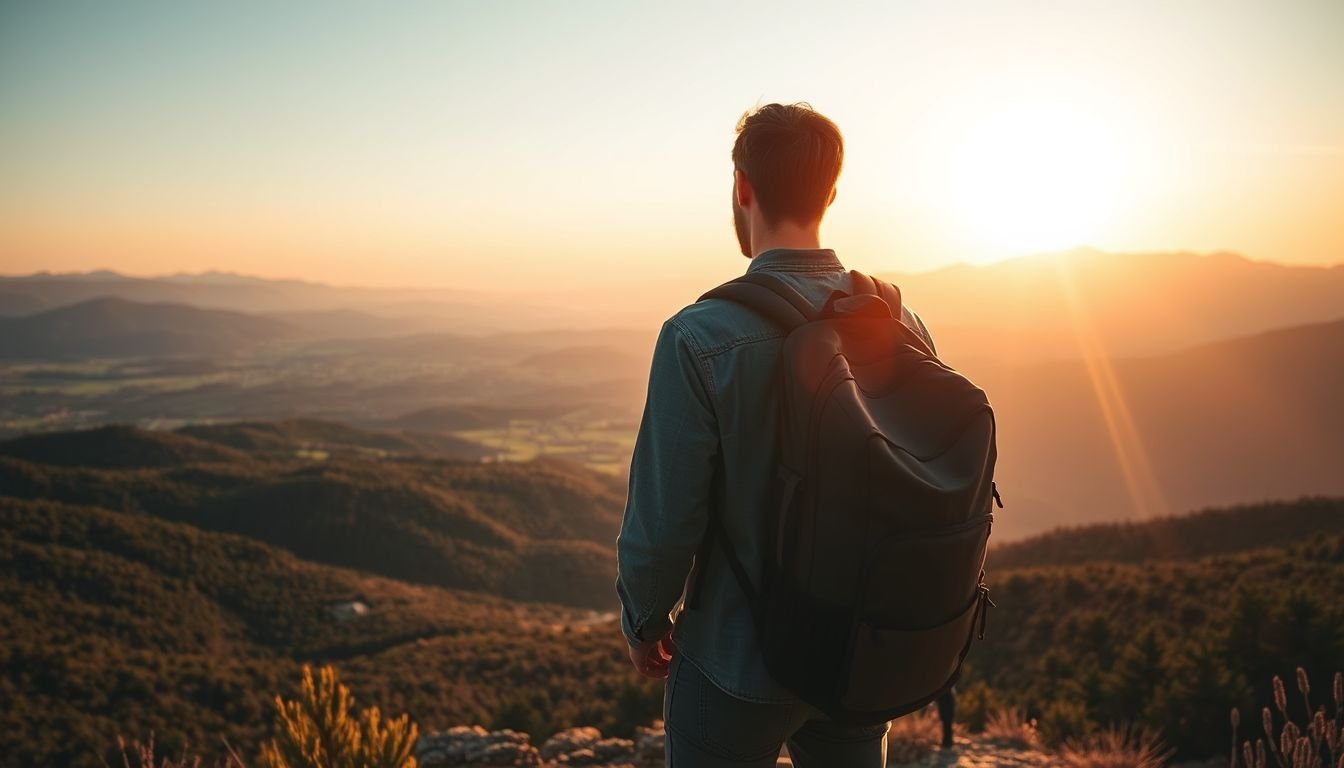
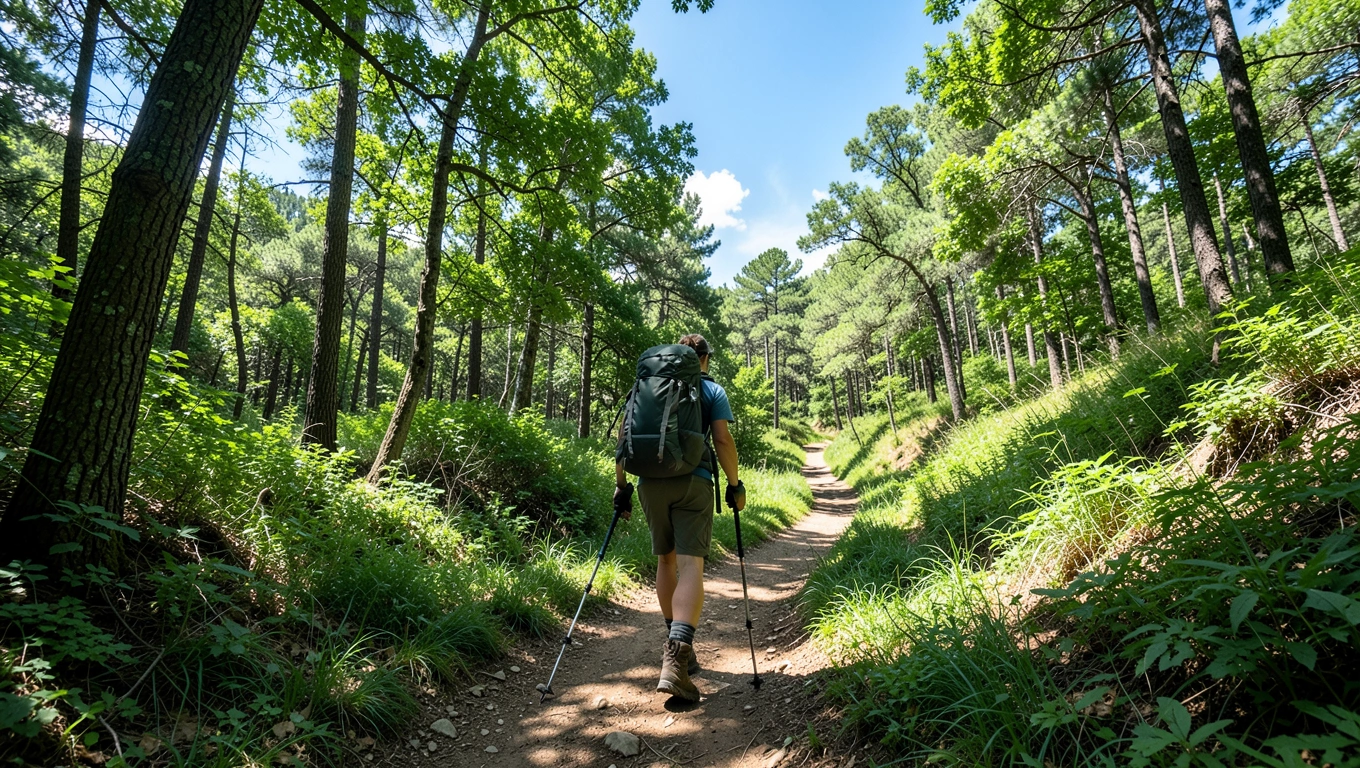
There's something profoundly liberating about setting out on a trail with nothing but your own thoughts and the rhythm of your boots against the earth. Solo hiking strips away the social noise and lets you connect with nature on your own terms. You move at your own pace, pause when something catches your eye, and make decisions based solely on what feels right in the moment. But that freedom comes with responsibility. Without a hiking partner to watch your back or help if things go sideways, preparation becomes your most important companion.
The appeal of solo hiking has grown significantly in recent years, and it's easy to see why. Beyond the obvious benefit of not having to coordinate schedules or compromise on destinations, hiking alone creates space for genuine introspection. Many solo hikers describe returning from trips with clearer minds and renewed perspective on challenges they'd been wrestling with. The quiet gives your brain room to work through problems that feel impossible in the daily grind of notifications and obligations.
Planning Your Route and Sharing Your Plans
The foundation of safe solo hiking starts before you ever lace up your boots. Route selection matters more when you're alone because you don't have anyone to help navigate if you lose the trail or to assist if the terrain proves more challenging than expected. Choose trails appropriate to your fitness level and experience, and be honest with yourself about your abilities. That Instagram-worthy summit can wait until you've built up the skills and stamina to reach it safely.
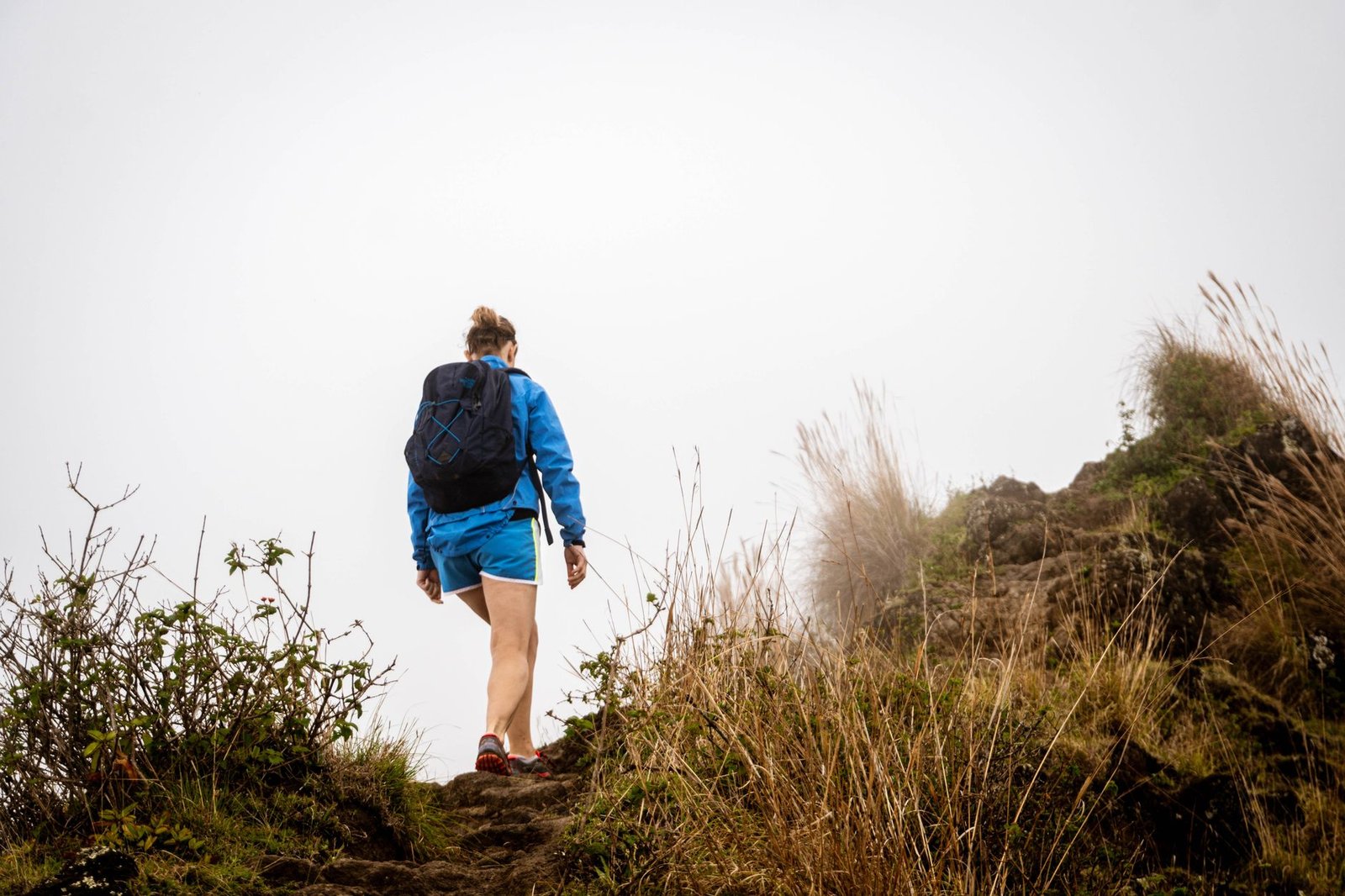
Research your chosen trail thoroughly. How long is it? What's the elevation gain? Are there water sources? What's the cell reception like? Check recent trail reports for current conditions. Snow in early spring, washed-out bridges, recent bear sightings - these are all details that can dramatically affect your experience. The National Park Service emphasizes that proper planning includes understanding the specific hazards of your destination.
Here's the non-negotiable part: tell someone where you're going. Not just "I'm going hiking" but the specific trail name, your planned route, when you're starting, and when you expect to be back. Give them a time to call for help if you haven't checked in. Leave a note in your car with the same information. This simple step has saved countless lives. If something goes wrong and you can't call for help yourself, someone needs to know where to start looking.
Download offline maps before you leave. Cell service is unreliable in most wilderness areas, and a dead phone won't help you find your way back. Many hiking apps let you save trail maps for offline use. Bring a physical map and compass as backup, and make sure you actually know how to use them. Technology is wonderful until the battery dies or you drop your phone in a creek.
Essential Gear and Safety Equipment
Your pack becomes your lifeline when you're hiking solo. The ten essentials exist for a reason - navigation tools, sun protection, insulation, illumination, first aid supplies, fire starter, repair kit, nutrition, hydration, and emergency shelter. These aren't suggestions for beginners; they're requirements for anyone venturing into the backcountry alone.
A well-stocked first aid kit matters more when there's no one else to bandage a cut or help stabilize a sprained ankle. Include blister treatment, pain relievers, antihistamines for allergic reactions, and any personal medications. Know how to use everything in your kit before you need it. Taking a wilderness first aid course is one of the best investments a solo hiker can make.
Bring more water than you think you'll need, and have a way to purify more if your hike runs longer than planned. Dehydration impairs judgment, which can lead to poor decisions in situations where clear thinking is critical. The same goes for food - pack extra snacks even for a short day hike. Getting lost or injured could turn a three-hour hike into an overnight ordeal.
A charged phone in airplane mode conserves battery while still allowing you to use GPS and take photos. Consider carrying a portable battery pack. Some solo hikers also bring personal locator beacons or satellite messengers for emergencies in areas without cell coverage. These devices can summon help even when you're beyond the reach of cell towers.
Weather-appropriate clothing can't be overstated. Conditions change quickly in the mountains, and hypothermia doesn't care that it was sunny when you started. Parks Canada recommends layering systems that let you adjust to changing temperatures and precipitation. Pack a rain jacket even if the forecast looks clear.
Wildlife Awareness and Environmental Hazards
One of the unexpected benefits of solo hiking is better wildlife observation. Your quiet, solo presence is less likely to scare animals away, giving you chances to observe creatures in their natural habitat. But that same proximity requires heightened awareness and respect for the animals you encounter.
Make noise on the trail, especially in bear country or areas with poor visibility. Singing, talking to yourself, or using bear bells alerts animals to your presence and gives them time to move away. Most wildlife wants to avoid humans as much as we should want to avoid close encounters with them. Never approach animals for photos, no matter how cute or docile they seem. Even herbivores can be dangerous if they feel threatened.
Carry bear spray in bear country and know how to use it. Keep it accessible on your hip belt, not buried in your pack. Store food properly at camp, and never eat or keep food in your tent. These precautions protect both you and the wildlife. A fed bear becomes a dead bear, as rangers often remind hikers.
Environmental hazards extend beyond animals. Watch for unstable terrain, loose rocks, and cliff edges. River crossings become more dangerous solo because there's no one to help if you lose your footing. If a crossing looks questionable, turn back. No trail is worth risking your life. Pay attention to weather patterns. Afternoon thunderstorms are common in many mountain areas during summer. Lightning kills hikers every year, often those caught above treeline during storms.
Building Confidence and Trusting Your Instincts
Solo hiking builds self-reliance in ways few other activities can match. Successfully navigating challenges, whether it's finding your way after taking a wrong turn or pushing through fatigue to reach your destination, creates genuine confidence. This isn't false bravado - it's earned through experience and competence.
Start with shorter, well-marked trails to build your skills and comfort level. Gradually increase difficulty and distance as your experience grows. There's no shame in turning back if conditions deteriorate or something doesn't feel right. In fact, knowing when to retreat is a crucial wilderness skill. Summit fever and ego have led to countless preventable accidents.
Trust your instincts. If a situation feels unsafe, it probably is. That internal warning system evolved over millennia to keep our ancestors alive, and it still works. Don't let embarrassment or stubbornness override common sense. The Washington Trails Association notes that experienced solo hikers develop strong intuition about risk assessment.
Consider practicing solo hiking skills in lower-risk environments first. Day hikes in popular state parks or nature preserves let you experience solitude without full wilderness exposure. You can test your gear, navigation skills, and comfort level with being alone outdoors before committing to more remote adventures.
Join online communities of solo hikers to learn from others' experiences. Trip reports often contain valuable information about trail conditions, gear recommendations, and lessons learned from close calls. Learning from others' mistakes is far less painful than making them yourself.
Quick Takeaways
- Always tell someone your specific route, start time, and expected return before heading out on a solo hike
- Pack the ten essentials including navigation tools, first aid, extra food and water, and emergency shelter for every hike
- Download offline maps and carry backup navigation methods since cell service is unreliable in wilderness areas
- Make noise on the trail to avoid surprising wildlife, and carry bear spray in bear country
- Start with shorter, well-marked trails and gradually build your skills before attempting remote or challenging routes
- Trust your instincts and don't hesitate to turn back if conditions feel unsafe or deteriorate
- Take a wilderness first aid course to handle medical emergencies when help isn't immediately available
Conclusion
Solo hiking offers rewards that group hikes simply can't match. The freedom to move at your own pace, the clarity that comes from solitude, and the confidence built through self-reliance create experiences that stay with you long after you've returned to civilization. But these benefits only come when you approach solo hiking with proper preparation and respect for the risks involved.
The wilderness doesn't care about your hiking resume or how many peaks you've summited. It demands competence, preparation, and humility from everyone who enters it. Build your skills gradually, invest in quality gear, and never stop learning. The trails will still be there tomorrow, so there's no rush to take on more than you're ready for.
Every experienced solo hiker started as a beginner wondering if they could handle it. They built their confidence one trail at a time, learning from both successes and mistakes. With proper preparation and a healthy respect for the challenges involved, you can join their ranks and discover what it means to truly explore the wilderness on your own terms.
FAQs
Is it safe for beginners to hike alone?
Beginners can hike solo safely if they start with short, well-marked trails in popular areas and build their skills gradually. Focus on mastering navigation, first aid, and proper gear use on easier trails before attempting more remote or challenging routes. Consider taking wilderness courses to accelerate your learning curve and always inform someone of your plans.
What should I do if I get lost while hiking alone?
Stop moving as soon as you realize you're lost. Continuing when disoriented usually makes things worse. Stay calm and retrace your steps if you can identify where you went off course. If that's not possible, use your map and compass or GPS to determine your location. Stay put if you're completely disoriented, make yourself visible, and conserve your resources while waiting for help. This is why telling someone your plans beforehand is critical.
How do I deal with fear when hiking solo?
Fear on solo hikes is normal and can actually be protective when it keeps you alert to real dangers. Distinguish between productive caution and unproductive anxiety. Preparation reduces fear - knowing you have the right gear, skills, and a solid plan builds confidence. Start with shorter hikes to acclimate to being alone outdoors. Many hikers find that fear diminishes as experience grows, replaced by calm competence.
Should I bring a weapon for protection while hiking alone?
Bear spray is more effective than firearms for wildlife defense and is recommended for hiking in bear country. For personal safety from other humans, hike in daylight hours on established trails where you're likely to encounter other hikers. Most hiking areas are extremely safe, and violent crime on trails is rare. Your biggest risks are environmental - getting lost, injured, or caught in bad weather - which preparedness addresses better than weapons.