Launching a new online store in 2026 comes with a challenge most entrepreneurs underestimate: building trust with complete strangers. You don't have the luxury of a physical storefront where customers can walk in, touch products, or chat with staff. Instead, you have seconds to convince visitors that your brand-new website is legitimate, safe, and worth their money. Research shows you have about 1/20th of a second to make that first impression, and every detail on your site either builds confidence or triggers doubt. The good news? Trust isn't magic. It's a combination of specific, measurable elements that any new store can implement right from day one.
Professional Design That Screams Credibility
Your website design is your storefront window, and shoppers judge it instantly. A cluttered layout, inconsistent fonts, or amateur graphics send visitors running faster than you can say "add to cart." Think about the last time you landed on a website that looked like it was built in 2010. Did you trust it with your credit card? Probably not.
Professional design doesn't mean expensive. It means clean, consistent, and functional. Your logo should look polished, not like a clip-art experiment. Your product photos need to be high-resolution and show items from multiple angles. White space matters. Navigation should be intuitive enough that a first-time visitor can find what they need without a treasure map.
Color psychology plays a bigger role than most new store owners realize. Blue suggests reliability and security, which is why PayPal and Chase use it. Green signals eco-friendliness and health. Whatever palette you choose, keep it consistent across every page. Mismatched colors make your store look cobbled together, which makes shoppers wonder what else you're cutting corners on.
Mobile responsiveness isn't optional anymore. More than half of all online shopping happens on phones, and if your checkout page forces users to pinch and zoom, they'll abandon their cart and never come back. Test your site on actual devices, not just browser simulators. Those extra minutes of testing can save you thousands in lost sales.
Transparency That Removes Every Question Mark
Nothing kills trust faster than mystery. Shoppers want to know exactly who they're buying from, where products come from, and what happens if something goes wrong. Your About page should tell a real story, not regurgitate corporate buzzwords. Who founded the store? Why? What problem are you solving? People connect with people, not faceless entities.
Contact information needs to be prominent and complete. A Gmail address and contact form aren't enough. List a phone number, even if it goes to voicemail. Display a physical address, even if it's your home office. These details signal legitimacy and give customers multiple ways to reach you if issues arise.
Your return policy should be crystal clear and easy to find. Spell out the time window, conditions, and process. If you offer free returns, shout it from the rooftop. Generous return policies reduce purchase anxiety. Shoppers know they're taking a risk on a new store, and a solid return guarantee softens that risk considerably.
Shipping costs and timelines need to be upfront, not a surprise at checkout. Hidden fees are the number one reason for cart abandonment. If you can't offer free shipping, explain why and what customers are paying for. Transparency around delivery dates matters too. Under-promise and over-deliver. If an item might take two weeks, say three and delight customers when it arrives early.
Social Proof That Validates Your Existence
Nobody wants to be your first customer, which creates a catch-22 for new stores. You need sales to get reviews, but you need reviews to get sales. The solution? Start building social proof before you even launch. Get products into the hands of beta testers, friends, or micro-influencers who can leave honest feedback.
Customer reviews should be visible on product pages, not buried in a separate section. Display both star ratings and written reviews. Don't cherry-pick only five-star feedback. A few four-star reviews with constructive criticism actually increase trust because they prove you're not faking it. Respond to every review, positive or negative. This shows you're active, engaged, and care about customer experience.
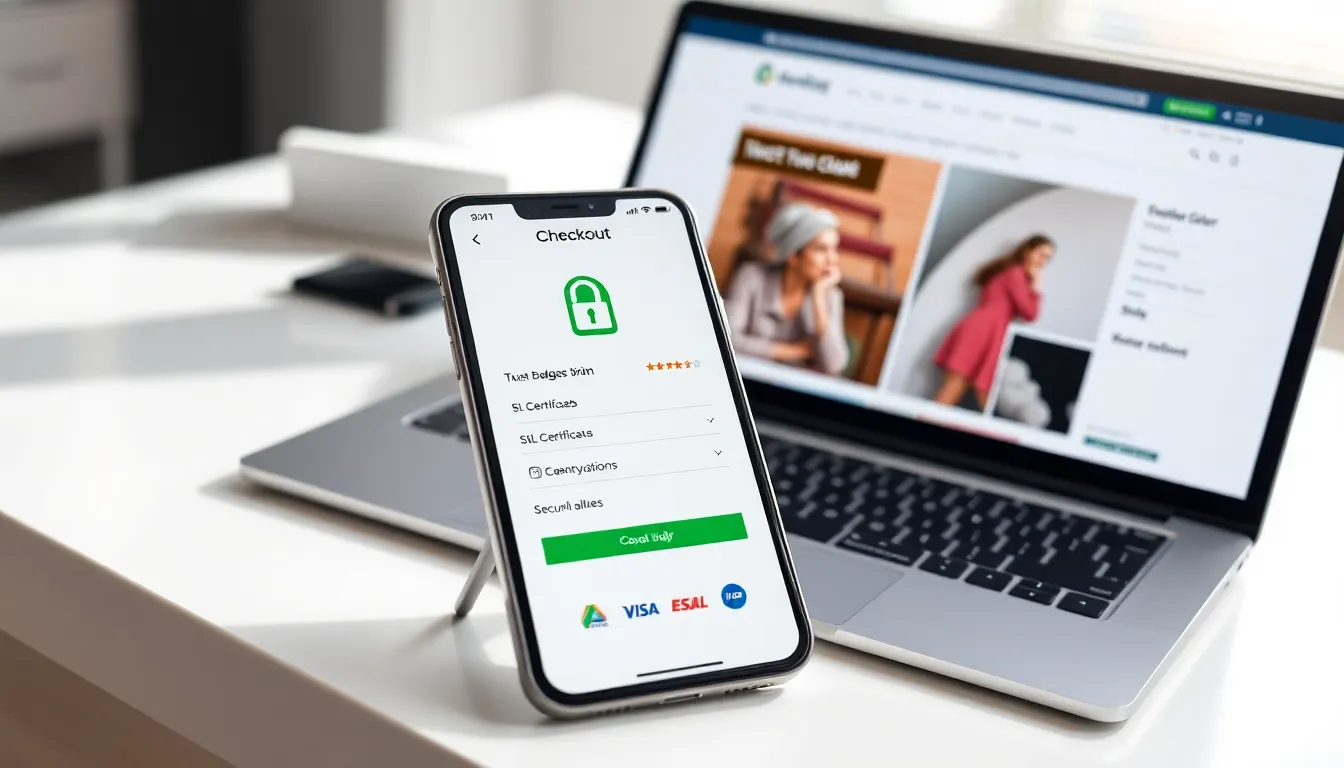
Trust badges and security seals work if they're real and recognizable. SSL certificates are non-negotiable. That little padlock in the browser bar tells customers their payment information is encrypted. Display logos of payment processors you accept, like Visa, Mastercard, or PayPal. These brands have already earned trust, and their presence on your site transfers some of that credibility to you.
Social media integration matters more than you think. Link your Instagram, Facebook, or TikTok accounts directly on your site. Active social profiles with real engagement prove your store isn't a fly-by-night operation. User-generated content, like customers posting photos with your products, is gold. Repost this content on your site and social channels. It shows your products exist in the real world and real people are happy with them.
Payment Security That Eliminates Fear
Money is personal, and handing over credit card details to a new website requires a leap of faith. Make that leap smaller by removing every friction point in the payment process. Offer multiple payment options. Credit cards are standard, but digital wallets like Apple Pay, Google Pay, and Shop Pay reduce the number of fields customers need to fill out, speeding up checkout and increasing conversion.
Never, ever store customer payment information unless you're PCI-DSS compliant. Most new stores should outsource payment processing to trusted third parties like Stripe or PayPal. These services handle the security heavy lifting and display their own trust signals at checkout.
Guest checkout is a must. Forcing account creation before purchase adds friction and kills conversions. Let customers buy first and create an account later if they want. The goal is to make the transaction as frictionless as possible. Every extra click or required field is an opportunity for doubt to creep in.
Order confirmation emails should arrive within seconds, not hours. This immediate acknowledgment reassures customers that their purchase went through and you're on top of it. Include order details, expected shipping dates, and clear next steps. Follow up with shipping notifications and tracking numbers. Proactive communication throughout the fulfillment process builds confidence that you're a professional operation.
Quick Takeaways
- You have 1/20th of a second to make a first impression - professional design and fast load times are non-negotiable for new stores.
- Transparency wins over mystery every time - display complete contact info, clear policies, and upfront shipping costs to eliminate buyer anxiety.
- Social proof doesn't have to mean thousands of reviews - start with beta testers, micro-influencers, and user-generated content to show real people trust you.
- Multiple payment options reduce friction - offer digital wallets alongside traditional cards and never force account creation before purchase.
- Real-time communication calms nerves - instant order confirmations and proactive shipping updates prove you're reliable and on top of fulfillment.
- Mobile experience can make or break trust - over half of shoppers use phones, and a clunky mobile site signals amateur hour.
- Generous return policies reduce purchase risk - clear, customer-friendly return terms give shoppers confidence to take a chance on your new store.
Conclusion
Trust isn't something you can fake or rush. It's built through consistent, deliberate choices that put customer confidence ahead of short-term gains. New online stores start at a disadvantage, but that gap closes quickly when you prioritize professional presentation, radical transparency, and frictionless transactions. The stores that succeed in 2026 aren't necessarily the ones with the biggest marketing budgets or the trendiest products. They're the ones that make shoppers feel safe, informed, and valued from the first click to the final delivery. Every element of your site sends a signal. Make sure those signals say "trustworthy" rather than "risky." The investment in building trust pays dividends far beyond your first few sales. It creates customers who come back, leave reviews, and tell friends. That's when a brand-new store stops feeling new and starts feeling like a destination worth returning to.
FAQs
How long does it take for a new online store to build customer trust?
Building baseline trust can happen within your first few sales if you have professional design, clear policies, and secure checkout. Deeper brand trust that leads to repeat purchases typically develops over 3-6 months as you accumulate reviews, maintain consistent communication, and deliver reliably. The key is starting with trust-building elements from day one rather than adding them later.
Do I need customer reviews to launch my online store?
You don't need reviews to launch, but you should have a plan to generate them quickly. Consider a soft launch with friends, family, or beta testers who can provide honest initial feedback. Even 5-10 authentic reviews can significantly boost conversion rates for new visitors. You can also leverage social proof from other sources like media mentions or influencer partnerships while building your review base.
What trust badges actually matter to online shoppers?
SSL certificates (the padlock icon) are essential. Payment processor logos like Visa, Mastercard, and PayPal carry weight because shoppers recognize them. Industry-specific certifications relevant to your products (like organic, fair trade, or safety standards) add credibility. Avoid generic "secure checkout" badges that anyone can copy. Real, verifiable credentials matter more than decorative trust seals.
Should I offer free shipping to build trust as a new store?
Free shipping helps, but transparency matters more than the price. If you can't afford free shipping, clearly explain costs upfront before checkout. Many shoppers accept reasonable shipping fees if they know what to expect. Consider offering free shipping thresholds (like free over a certain dollar amount) or fast, trackable shipping as alternatives. Hidden fees at checkout destroy trust faster than reasonable shipping costs displayed early.