
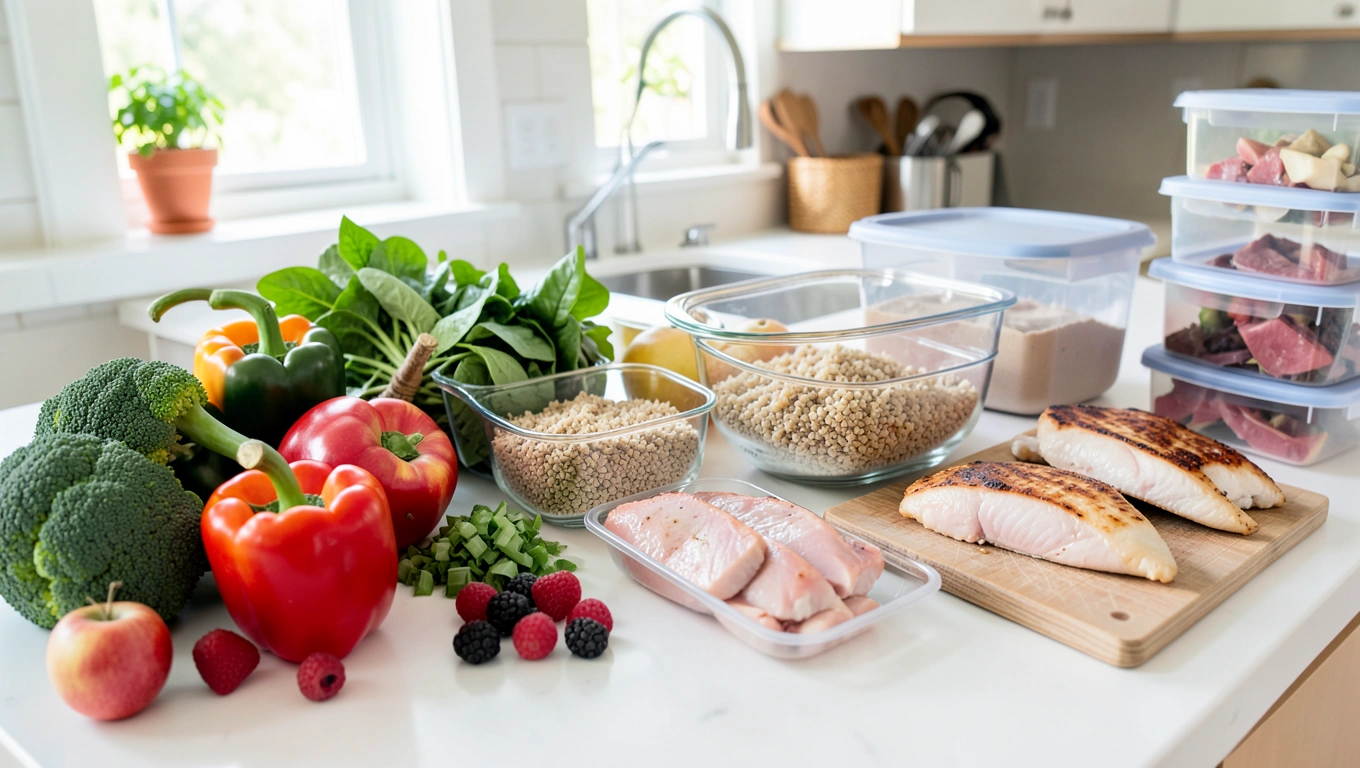
Creating a healthy and balanced meal plan doesn't have to feel overwhelming. Whether you're trying to lose weight, fuel your workouts, or just feel better day to day, having a structured approach to what you eat can transform your energy levels, mood, and overall health. The good news? You don't need to be a nutritionist or spend hours in the kitchen to get it right. With a few practical strategies and some upfront planning, you can build a sustainable eating routine that works for your lifestyle and keeps you satisfied. Let's break down exactly how to create a meal plan that supports your goals without making you feel restricted or burnt out.
Understanding What Makes a Meal Plan Balanced
A balanced meal plan isn't about perfection or cutting out entire food groups. It's about variety and moderation. Your body needs different nutrients to function properly, and that means including foods from all the major groups: fruits, vegetables, whole grains, lean proteins, and healthy fats. Each plays a specific role in keeping you healthy.
Think about it this way: carbohydrates give you energy, proteins help build and repair tissues, fats support brain function and hormone production, and vitamins and minerals from fruits and vegetables keep your immune system strong. When you skip one of these groups regularly, you're missing out on something your body needs. Planning your meals ahead of time helps ensure you're hitting all these nutritional bases throughout the week.

Portion sizes matter too, but they don't have to be complicated. A simple rule: fill half your plate with vegetables, a quarter with lean protein like chicken or fish, and a quarter with whole grains like brown rice or quinoa. Add a serving of fruit and maybe some nuts or avocado for healthy fats, and you've got yourself a balanced meal. This approach works for lunch and dinner, and you can adapt it to fit your preferences and dietary needs.
Building Your Weekly Meal Plan Step by Step
Start by choosing a day to plan and prep, usually a weekend day when you have more time. Grab a pen and paper or use your phone's notes app. List out the meals you need for the week: breakfasts, lunches, dinners, and snacks. Be realistic about your schedule. If you know Thursday nights are hectic, plan for leftovers or a quick meal that day.
Pick recipes or meal ideas that use similar ingredients. This saves money and reduces waste. If you're buying spinach for a Monday salad, use it again in a Wednesday omelet and a Friday stir-fry. Same goes for proteins. Roast a whole chicken on Sunday, use half for dinner, and shred the rest for tacos or soup later in the week. This kind of strategic planning makes cooking less stressful and more efficient.
When choosing what to eat, prioritize whole grains over processed options. Whole grains like oats, brown rice, and whole wheat bread contain more fiber and nutrients than their refined counterparts. Fiber keeps you full longer and supports digestive health. It also helps regulate blood sugar, which means fewer energy crashes throughout the day.
Don't forget to account for treats and flexibility. A balanced meal plan isn't about restriction. If you love pizza, work it in once a week. If you need chocolate after dinner, plan for a small piece. The goal is sustainability, not misery. When you allow yourself foods you enjoy, you're less likely to feel deprived and more likely to stick with your plan long term.
Smart Shopping and Meal Prep Strategies
Once your plan is set, make a detailed shopping list organized by store section: produce, proteins, grains, dairy, and pantry staples. Stick to your list as much as possible to avoid impulse buys that derail your budget and your health goals. Contrary to what many people think, eating healthy can actually be cheaper than relying on takeout or processed convenience foods. Buying whole ingredients and cooking at home saves money while giving you control over what goes into your meals.
Set aside a few hours for meal prep after shopping. This doesn't mean cooking everything at once. It means doing the prep work that makes weeknight cooking faster. Wash and chop vegetables, cook grains in bulk, marinate proteins, portion out snacks into containers. Even small tasks like hard-boiling eggs or washing berries can save you valuable time during busy weekdays.
Invest in good storage containers. Clear glass or plastic containers with tight lids keep food fresh and make it easy to see what you have ready to eat. Label everything with dates so you know what needs to be used first. Proper storage extends the life of your prepped ingredients and reduces the temptation to order takeout because cooking feels like too much work.
If you find tracking helpful, apps like Lose It!, MyFitnessPal, or Noom can support your meal planning efforts. Lose It!, launched in 2008, offers a comprehensive food database and calculates a customized daily calorie budget based on your individual metrics. MyFitnessPal features a food diary with over 18 million global foods and barcode scanning for quick logging. Noom, founded in 2008, combines behavioral psychology with weight management, and a four-month program costs $169. These tools can help you understand your eating patterns and make adjustments, but they're optional. Plenty of people successfully meal plan with just a notebook and commitment.
Managing Sugar and Making Healthier Swaps
One of the most impactful changes you can make is limiting added sugar in your diet. Excessive sugar intake contributes to weight gain, increases your risk of diabetes and heart disease, and causes energy spikes and crashes that leave you feeling sluggish. Sugar hides in unexpected places: yogurt, salad dressing, bread, sauces, and supposedly healthy snacks.
Start reading nutrition labels. Look for added sugars in the ingredient list. Planning what you eat allows you to make conscious choices about where your sugar comes from. Natural sugars in fruit come packaged with fiber, vitamins, and water, making them a much better choice than cookies or candy.
Make simple swaps that reduce sugar without feeling like deprivation. Sweeten oatmeal with mashed banana instead of brown sugar. Choose plain Greek yogurt and add your own berries rather than buying flavored varieties with 20 grams of added sugar. Drink water or unsweetened tea instead of soda or juice. Small changes add up to significant reductions in daily sugar intake over time.
When you do eat something sweet, enjoy it mindfully. Sit down, savor it, and move on. The problem isn't having dessert occasionally. The problem is when sugar-laden foods become daily staples that crowd out nutrient-dense options. Balance means room for treats within an overall pattern of healthy eating.
Quick Takeaways
- Include a variety of nutrient-rich foods from all food groups to ensure your body gets essential vitamins, minerals, and macronutrients it needs to function properly.
- Eating healthy can be more affordable than takeout and processed foods, especially when you plan meals around similar ingredients to reduce waste.
- Choose whole grains over refined options for more fiber and nutrients, which help keep you full and support better blood sugar regulation.
- Limit added sugar intake, as excessive consumption increases risks for weight gain, diabetes, and heart disease.
- Dedicate time each week to meal planning and prep work like chopping vegetables and cooking grains in bulk to make weeknight cooking faster and less stressful.
- Apps like Lose It! and MyFitnessPal can help track food intake and calories, but meal planning works just as well with simple pen and paper methods.
- Allow flexibility and treats in your plan to create a sustainable approach you can maintain long term without feeling deprived.
Conclusion
Building a healthy and balanced meal plan is one of the most practical investments you can make in your wellbeing. It doesn't require expensive ingredients, complicated recipes, or hours of daily cooking. What it does require is some intentional planning, a willingness to prepare food ahead of time, and the understanding that balance means including all food groups while limiting things like excess sugar that don't serve your health. The beauty of meal planning is that it gets easier with practice. The first week might feel clunky, but by week three or four, you'll have a system that works for you. You'll save money, reduce food waste, feel better physically, and eliminate the daily stress of figuring out what to eat. Start simple, stay consistent, and adjust as you learn what works for your body and schedule. That's how you create a sustainable approach to eating well.
FAQs
How many meals should I plan for each week?
Plan for at least 5-7 dinners, 5 lunches if you pack your own, and 7 breakfasts. Don't feel obligated to plan every single meal if that feels overwhelming. Start with dinners and build from there. Many people find success planning dinners and prepping lunch components, then keeping breakfast simple with staples like eggs, oatmeal, or yogurt that don't require detailed planning.
What if I get bored eating the same meals?
Rotate your meal plan every two weeks instead of weekly. Use different seasonings and cooking methods to create variety from similar ingredients. A chicken breast can be grilled with lemon and herbs one week, baked with barbecue sauce another week, and turned into a curry a third week. Focus on changing up your vegetables and grains too. The goal isn't to eat identical meals forever, just to reduce decision fatigue during busy weekdays.
Can I meal plan if I have dietary restrictions?
Absolutely. Meal planning actually becomes more important when you have allergies, intolerances, or follow specific diets like vegetarian, vegan, or gluten-free. It ensures you always have safe, appropriate foods available and reduces the risk of being caught without options. Adapt the balanced plate concept to your needs. Use plant proteins like beans and lentils if you don't eat meat, substitute gluten-free grains, or choose dairy alternatives that fit your restrictions.
How long does meal prep usually take?
Most people spend 2-3 hours on Sunday or their chosen prep day. This includes washing and chopping vegetables, cooking grains and proteins, and portioning snacks. As you get more efficient, you might cut this down to 90 minutes. The time investment upfront saves you 15-30 minutes every single weeknight, which adds up to several hours saved during the week when you're most tired and pressed for time.