You know you should exercise more. Everyone does. But between work deadlines, family obligations, and the simple fact that most of us are exhausted by the end of the day, fitting in a full workout feels impossible. Here's the good news: you don't need to carve out an hour at the gym to see real health benefits. Recent research shows that even 1-2 minutes of vigorous activity during your daily routine can cut your risk of cardiovascular death by 50 percent and cancer death by 40 percent. That's not a typo. Two minutes. The key isn't finding more time, it's using the time you already have differently.
The Power of Exercise Snacks Throughout Your Day
Forget the all-or-nothing mentality. Your body doesn't care whether you exercise for 30 consecutive minutes or six bursts of five minutes scattered across your day. What matters is that you move, and you do it consistently. Scientists call these brief activity bursts "exercise snacks", and they work surprisingly well.
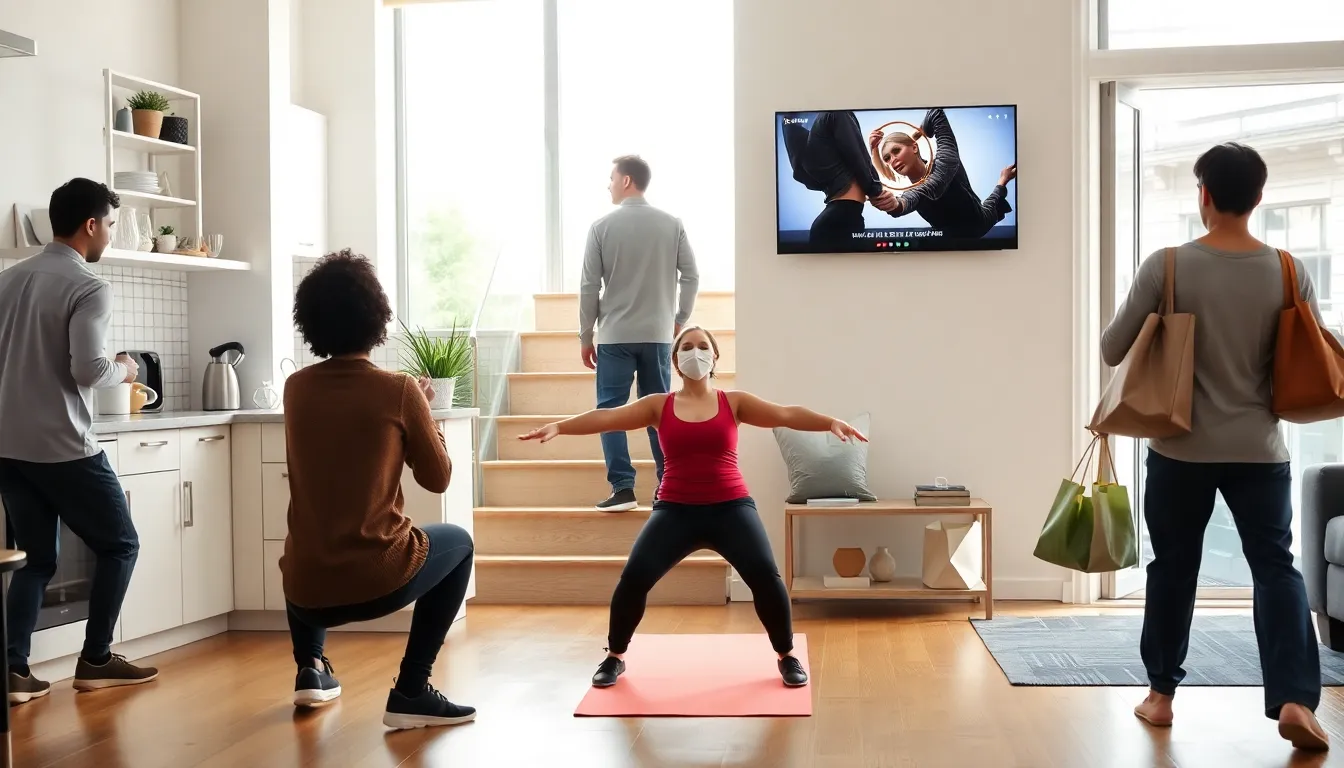
Think about your typical morning. You're making coffee, waiting for it to brew. That's three minutes right there. Instead of scrolling your phone, do squats or push-ups against the counter. When you brush your teeth, hold a wall sit. Waiting for a Teams meeting to start? Stand up and do some lunges. These micro workouts, typically lasting 5-15 minutes each, deliver cardiovascular and strength benefits comparable to longer sessions when you add them up throughout the day.
The beauty of this approach is that it sidesteps the biggest excuse: lack of time. You're not adding activities to your schedule. You're layering movement onto things you already do. Your brain stops categorizing it as "exercise I need to make time for" and starts seeing it as "something I do while I'm doing this other thing". That mental shift matters more than you might think.
Start with one exercise snack per day for a week. Once that feels automatic, add another. Within a month, you could be getting 30-45 minutes of activity without ever changing your schedule. Just two minutes of high-intensity exercise per week can significantly improve your cardiovascular health. Now imagine what 30 minutes spread across seven days could do.
Turn Your Commute and Errands Into Training Sessions
Your commute is either dead time or opportunity time. You get to choose. If you drive, you're somewhat limited, but if you use public transit or can walk part of the way, you're sitting on a goldmine of exercise time.
Park farther away. Not in the back corner of the lot where you feel like you're being punished, but genuinely farther from your destination. If you normally park in the closest spot at the grocery store, park across the street instead. That's an extra five minutes of walking each direction. Do that three times a week, and you've added 30 minutes of movement without trying. Walk to the next bus stop instead of the closest one. Get off one stop early on your way home. These small detours add up faster than you'd expect.
Take the stairs whenever possible. Yes, you've heard this before, but most people still don't do it. Start with just going up. If coming down hurts your knees, take the elevator down and stairs up. Even that asymmetric approach builds strength and endurance. If you work on the tenth floor, walk up three floors and take the elevator the rest of the way. Add another floor every two weeks.
Running errands? Make a game of it. Instead of driving to three stores in three different plazas, pick a downtown area where you can walk between shops. Carry your bags instead of using a cart when possible. You're doing farmer's carries, a legitimate strength exercise, but your brain thinks you're just shopping. The physical adaptation happens either way.
Use Commercial Breaks and Waiting Time Strategically
Modern life involves a staggering amount of waiting. Waiting for water to boil. Waiting for files to download. Waiting for your kid to finish practice. Waiting for the laundry to finish. Most people fill this time with their phones. What if you filled some of it with movement instead?
During TV commercials or between streaming episodes, do something physical. Planks, jumping jacks, mountain climbers, stretches. Pick one exercise per commercial break and do it until the show returns. If you watch two hours of TV per night with standard commercial breaks, that's potentially 20-30 minutes of movement. Streaming without ads? Set a timer. Every 20 minutes, pause for two minutes of activity.
Waiting for your coffee to brew? Perfect plank time. Microwave heating your lunch? Calf raises. Waiting in line at the store? Subtle glute squeezes and core engagement that nobody around you will even notice. On hold with customer service? Walk around your house while you wait. These moments are everywhere once you start looking for them.
The effectiveness of short bursts is backed by solid science. These brief bouts of activity burn more calories, increase your metabolic rate, and improve endurance and strength in less time than traditional steady-state exercise. You're not cheating the system. You're using it smarter.
Make Your Home and Office Environment Movement-Friendly
Your environment shapes your behavior more than willpower ever could. If you have to dig through a closet to find your resistance bands, you won't use them. If you have to rearrange furniture to do yoga, you'll skip it. Design your space to make movement the path of least resistance.
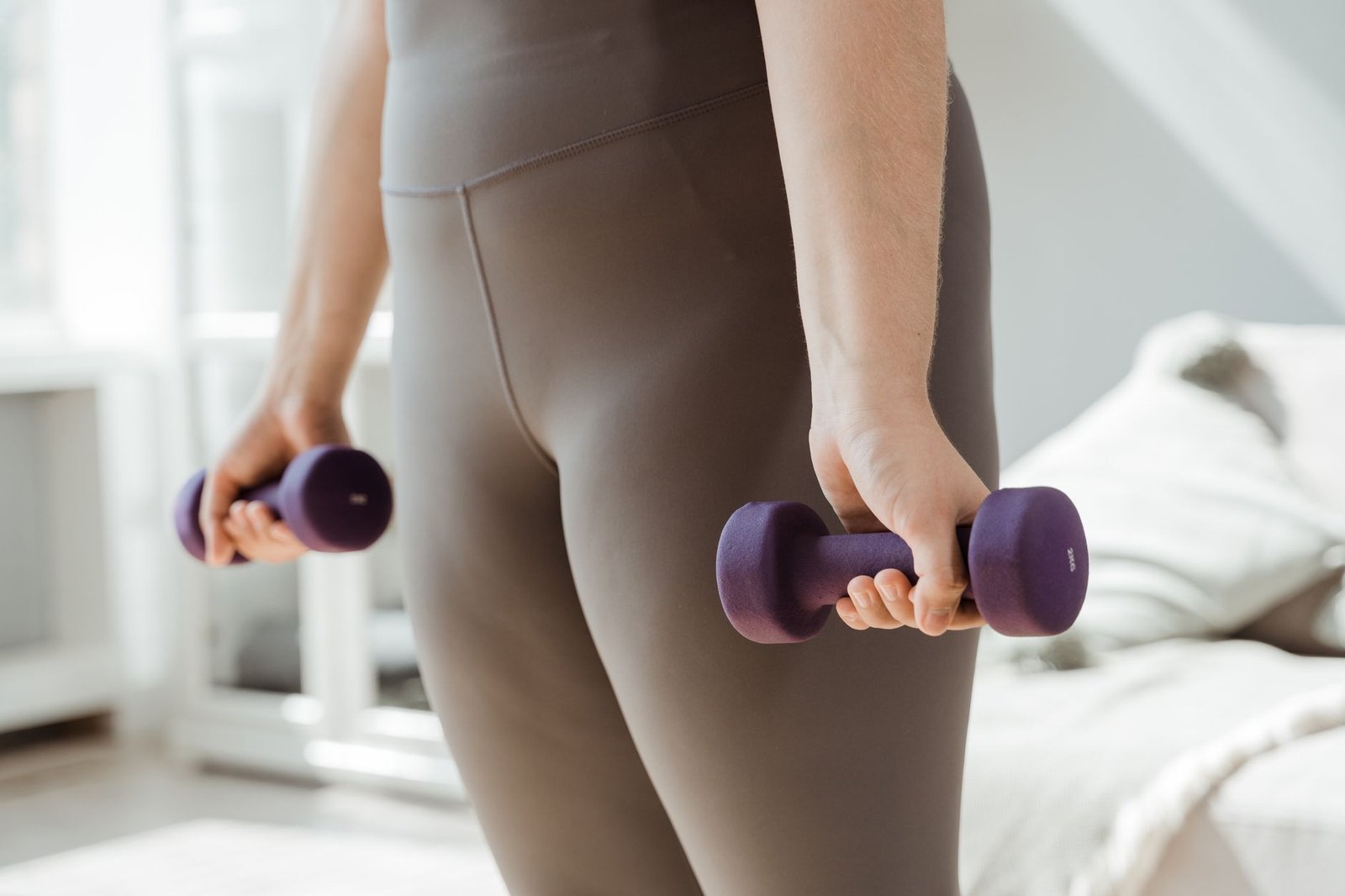
Keep basic equipment visible and accessible. Resistance bands hanging on a hook by your desk. A yoga mat rolled in the corner of your living room, not stuffed under a bed. Dumbbells near the couch, not in the garage. When the barrier to starting is removing a cap from a water bottle instead of excavating equipment from storage, you'll move more.
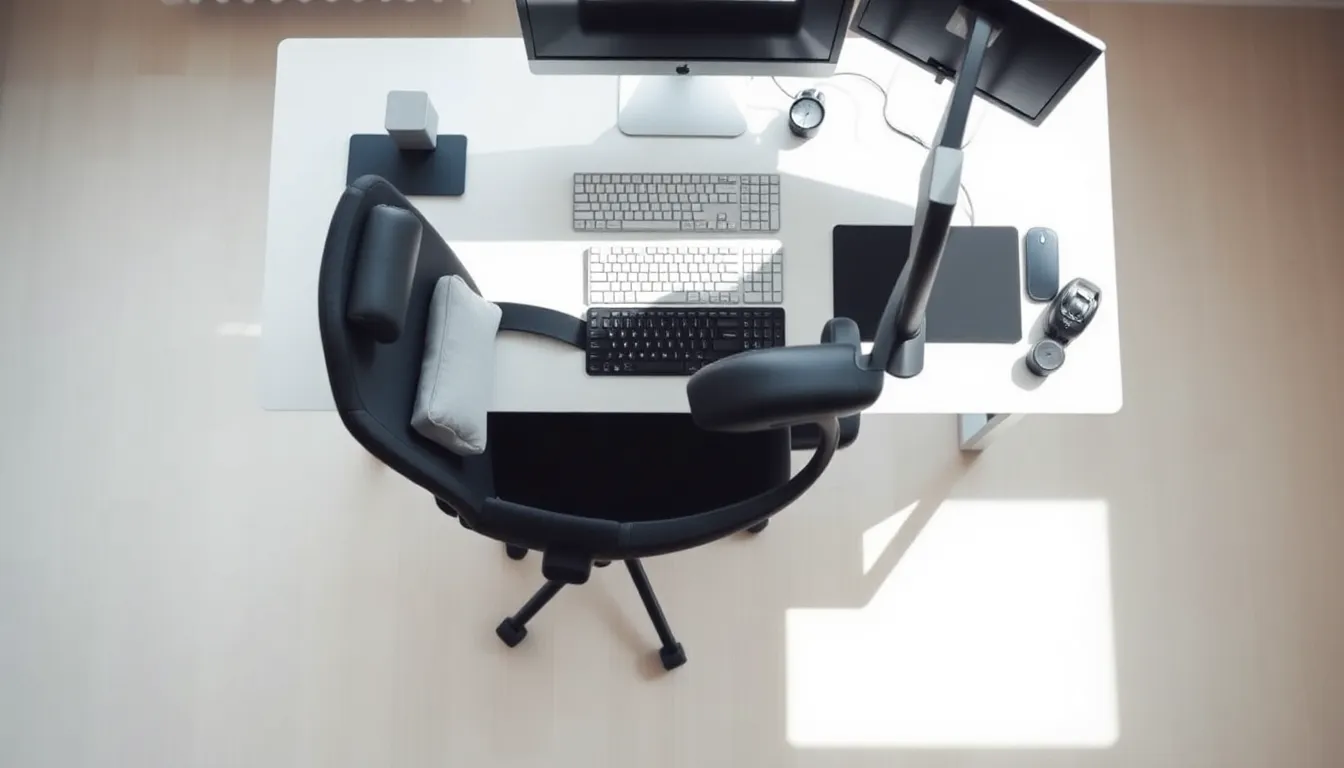
Consider a standing desk or a desk converter. Standing burns more calories than sitting, but more importantly, it makes transitioning to movement easier. You're already vertical. Dropping into a squat or doing desk push-ups takes one second, not the mental negotiation of standing up from a chair.
Schedule walking meetings when possible. If you need to brainstorm or discuss something that doesn't require looking at a screen, do it while walking. Your creativity will probably improve too. Take phone calls standing or pacing. If you're on a video call where you don't need to be on camera, walk in place or do gentle movements off-screen.
Set hourly reminders to stand and move for two minutes. Your watch or phone can do this. When it buzzes, stand up immediately and do something. Anything. Stretch, walk to get water, do a few squats. The specific activity matters less than the consistency of breaking up sedentary time.
Quick Takeaways
- Just 1-2 minutes of vigorous daily activity can lower cardiovascular death risk by 50 percent and cancer death risk by 40 percent for non-exercisers
- Exercise snacks lasting 5-15 minutes provide similar benefits to longer workouts when accumulated throughout the day
- Two minutes of high-intensity exercise per week can significantly improve cardiovascular health
- Short activity bursts burn more calories and increase metabolic rate more effectively than steady-state exercise
- Parking farther away, taking stairs, and walking between errands easily adds 30-60 minutes of weekly movement
- Using commercial breaks, waiting time, and phone calls for movement turns dead time into training time
- Keeping equipment visible and accessible removes friction that prevents consistent exercise
Conclusion
The perfect workout plan you never follow helps nobody. The imperfect movement you actually do changes everything. You don't need a gym membership, an hour of free time, or expensive equipment. You need to shift how you think about exercise from "something I do at a specific time in a specific place" to "something I weave through my entire day".
Start ridiculously small. One exercise snack tomorrow morning. One extra flight of stairs. One phone call taken while walking. Build from there. The research is clear: these tiny bursts of activity deliver real, measurable health benefits. Your cardiovascular system improves. Your cancer risk drops. Your metabolic health gets better. All from using time you're already spending, just spending it differently.
This isn't about becoming an athlete. It's about staying functional, healthy, and alive longer. The body you have in 2026 is the only one you get. Move it a little more today than you did yesterday. That's the whole strategy.
FAQs
How many minutes of exercise per day do I actually need to see health benefits?
Research shows benefits from as little as 1-2 minutes of vigorous activity daily. While traditional guidelines recommend 150 minutes of moderate activity per week, even 10-15 minutes daily split into smaller bursts provides meaningful cardiovascular and metabolic improvements. Start where you are and build gradually.
Can short exercise bursts really replace a full workout?
For general health and disease prevention, accumulated short bursts throughout the day provide comparable benefits to single longer sessions. If you're training for specific athletic performance or have particular fitness goals, longer focused workouts may be necessary. But for most people maintaining general health, exercise snacks work remarkably well.
What counts as vigorous activity during daily routines?
Vigorous activity means you're breathing hard and can't easily hold a conversation. Examples include climbing stairs quickly, doing jumping jacks, running in place, burpees, fast-paced bodyweight exercises, or carrying heavy groceries at a brisk pace. Even two minutes leaves you slightly winded.
How do I remember to do exercise snacks throughout the day?
Link them to existing habits. Exercise while coffee brews, during tooth brushing, or when you first sit at your desk. Set hourly phone reminders. Put visual cues in your environment like resistance bands on a visible hook. The key is attaching movement to things you already do automatically, so it becomes part of that routine rather than a separate task to remember.