
Your joints work hard every single day. From the moment you roll out of bed to the last step you take before settling in for the night, these remarkable structures bear your weight, enable movement, and keep you mobile. Yet most of us never think about joint health until something starts hurting. The good news? Keeping your joints healthy doesn't require expensive equipment or hours at the gym. Simple, everyday movements can make all the difference. Let's talk about the practical ways you can protect and strengthen your joints through activities you probably already do or can easily add to your routine.
Why Movement Matters for Your Joints
Think of your joints as door hinges. Leave them unused, and they get rusty and stiff. Use them regularly with proper care, and they glide smoothly for years. The same principle applies to your knees, hips, shoulders, and every other joint in your body.
When you move, something remarkable happens inside your joints. Movement encourages the flow of synovial fluid, which lubricates joints and helps them move smoothly. This clear, viscous fluid acts like oil in an engine, reducing friction between the cartilage surfaces. Without regular movement, this fluid doesn't circulate as effectively, and your joints can become stiff and uncomfortable.
But that's not all. Regular exercise strengthens the muscles, tendons, and ligaments that support your joints, helping to prevent injuries. Think of these tissues as your joint's personal bodyguard squad. When they're strong, they absorb shock and stabilize your joints during movement, reducing wear and tear on the cartilage itself.
Physical activity also boosts blood circulation to joints, ensuring they receive the necessary oxygen and nutrients. Better circulation means better healing, reduced inflammation, and improved overall joint function. This is especially important as we age, when natural circulation can slow down.
Low-Impact Activities That Protect While You Move
Not all movement is created equal when it comes to joint health. High-impact activities like running on concrete or aggressive sports can stress your joints, particularly if you're already dealing with some wear and tear. The sweet spot? Low-impact activities that keep you moving without pounding your joints into submission.
Walking tops the list for good reason. It's free, accessible, and remarkably effective. A brisk 30-minute walk gets your synovial fluid flowing, strengthens the muscles around your knees and hips, and helps maintain a healthy weight. You don't need to power-walk at race pace. A comfortable stride that lets you hold a conversation while still feeling like you're working is perfect.
Swimming and water aerobics deserve special mention. Water's buoyancy supports your body weight, reducing stress on weight-bearing joints by up to 90 percent. You can move through a full range of motion, build strength, and improve flexibility without the jarring impact of land-based exercise. Even if you're not a strong swimmer, walking laps in chest-deep water or doing simple arm and leg movements provides significant benefits.
Cycling, whether on a stationary bike or cruising through your neighborhood, gives your knees and hips a smooth, controlled workout. The circular pedaling motion promotes joint mobility without the impact of each footfall. Exercise helps ease arthritis pain and stiffness, making cycling an excellent choice for people managing joint concerns.
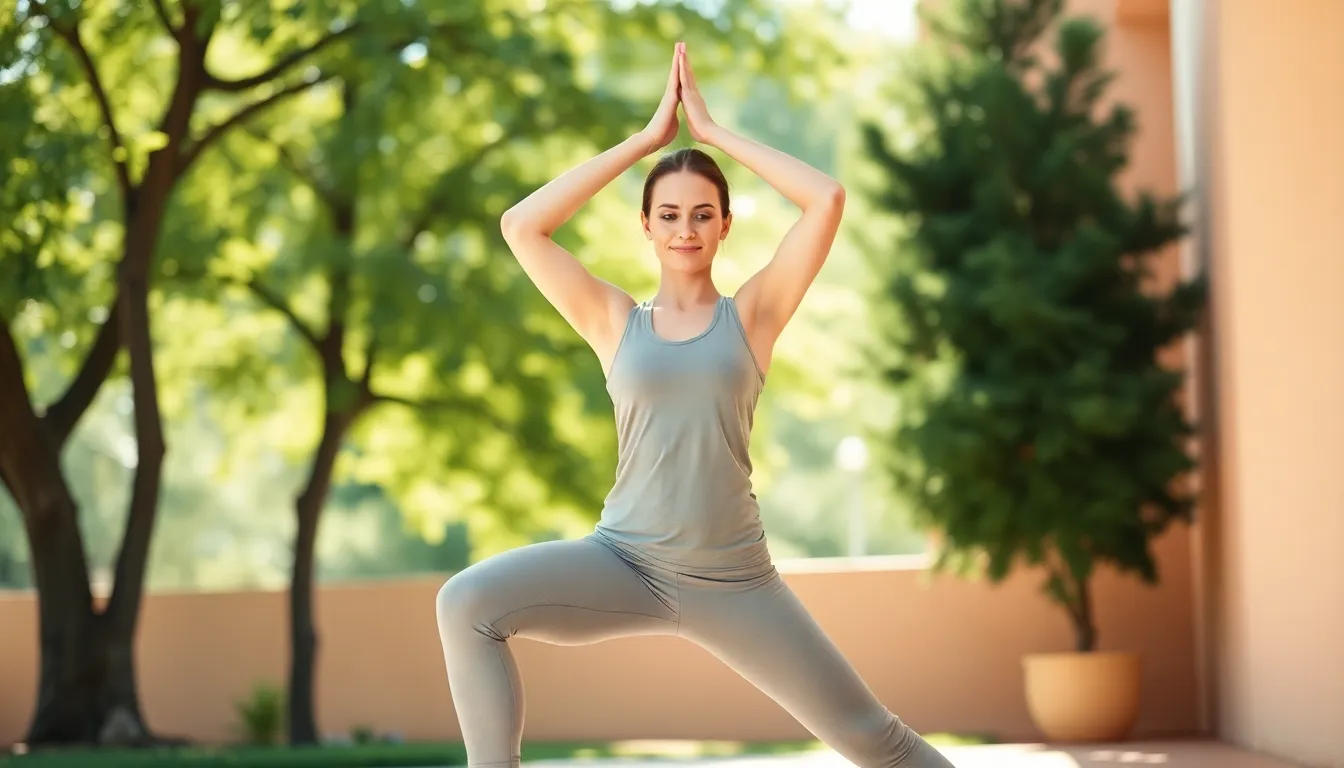
Yoga and tai chi combine gentle movement with balance training and flexibility work. These practices take your joints through their full range of motion while building the stabilizing strength that protects them during daily activities. The slow, controlled movements also help you tune into your body and notice when something feels off before it becomes a bigger problem.
Daily Habits Beyond Formal Exercise
You don't need to carve out dedicated workout time to keep your joints healthy. Some of the most effective joint care happens in the margins of your regular day.
Take standing and stretching breaks if you sit for work. Every hour, stand up, roll your shoulders, circle your ankles, and take a brief walk. These micro-movements prevent the stiffness that sets in when joints stay in one position too long. Your body wasn't designed for eight-hour sitting marathons.
How you carry yourself matters too. Good posture distributes your weight evenly across your joints rather than overloading specific areas. When you slump, your spine and hip joints work harder to keep you upright. Stand tall, keep your shoulders back, and engage your core. This isn't about military rigidity but about balanced, natural alignment.
Maintaining a healthy weight through exercise significantly lessens the pressure on weight-bearing joints like the hips and knees. Here's a sobering fact: for every pound of body weight, your knees experience about four pounds of pressure when you walk. Lose five pounds, and you've reduced knee stress by 20 pounds with every step. That's not about appearance. It's about physics and mechanical load.
Pay attention to how you move during everyday tasks. When you lift something, bend at your knees and hips, not your waist. This protects your spine and engages your leg muscles rather than straining your lower back. When you reach for overhead items, use a step stool instead of hyperextending your shoulders. Small adjustments to movement patterns add up over years.
Hydration plays a surprising role in joint health. Your cartilage is about 70 percent water. When you're dehydrated, that cushioning tissue can't function optimally. Drinking enough water throughout the day helps maintain the fluid balance your joints need.
Strength Training for Joint Support
Many people avoid strength training because they worry about joint stress. Actually, appropriate resistance exercise is one of the best things you can do for joint longevity. The key word is appropriate.
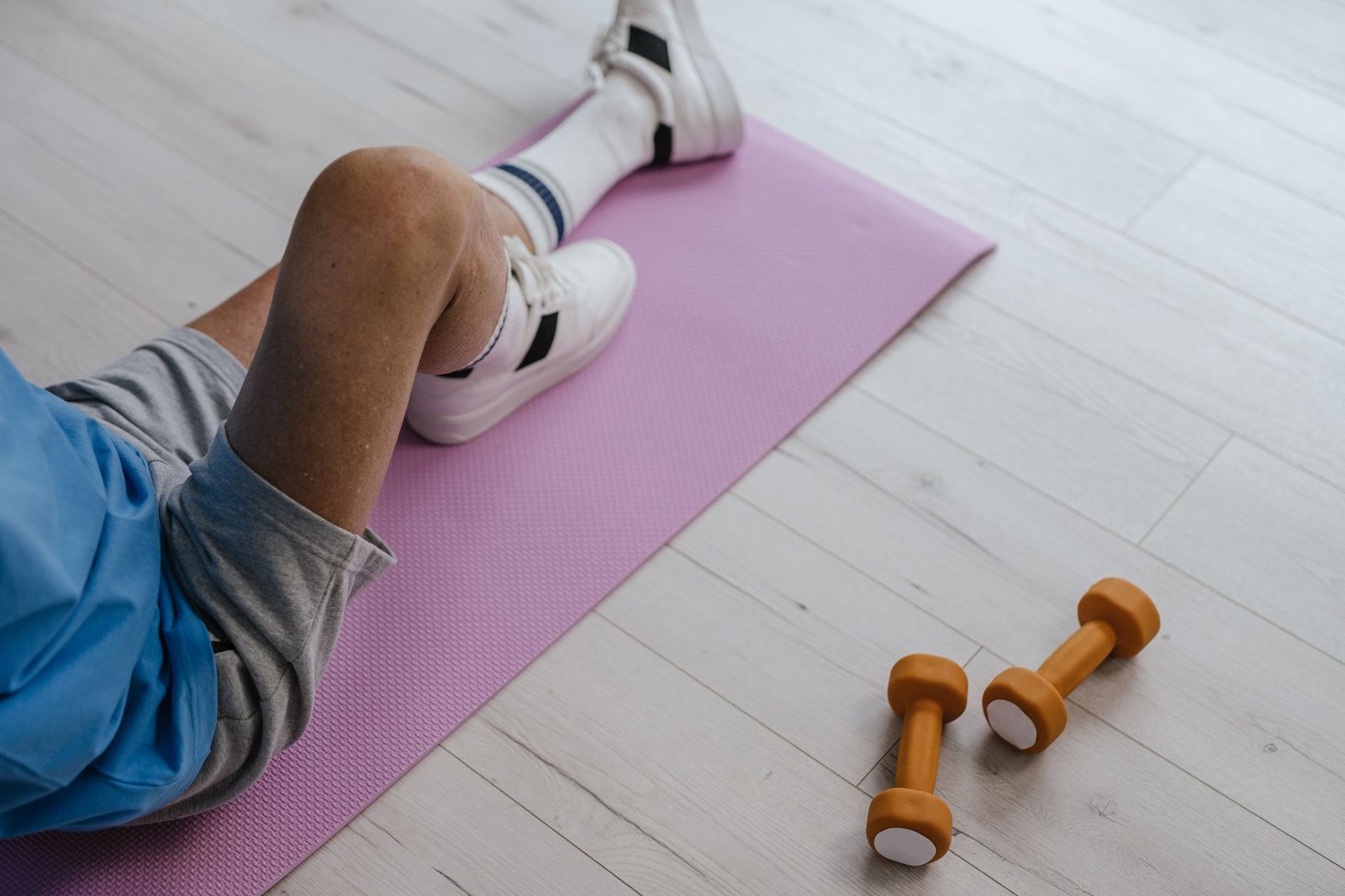
You don't need heavy barbells or complex gym routines. Bodyweight exercises, resistance bands, and light dumbbells build the muscular support that stabilizes your joints. Simple movements like wall push-ups, chair squats, and leg lifts strengthen the muscles around your shoulders, knees, and hips without excessive load.
Focus on controlled movements through a full range of motion. Fast, jerky movements or partial repetitions miss the point. Slow, deliberate exercises where you feel the muscle working are far more effective for building joint-supporting strength.
Balance exercises deserve attention too. Standing on one foot, walking heel-to-toe, or using a balance board activates the small stabilizing muscles around your ankles, knees, and hips. These muscles prevent the wobbles and missteps that can lead to joint injuries. Better balance means better joint protection during everyday movements.
Expert advice for protecting your joints consistently emphasizes the importance of variety. Doing the same movement pattern day after day can create repetitive stress. Mix up your activities. Walk some days, swim others, add strength work twice a week. This variation distributes the workload across different joints and muscle groups.
Quick Takeaways
- Movement stimulates synovial fluid production, which lubricates joints and keeps them moving smoothly without friction
- Low-impact activities like walking, swimming, and cycling strengthen joints without excessive stress or pounding
- Regular exercise builds the muscles, tendons, and ligaments that support and stabilize your joints during daily activities
- Maintaining a healthy weight reduces pressure on weight-bearing joints - every pound lost equals four pounds less stress on your knees
- Simple daily habits like hourly stretches, good posture, and proper lifting technique protect joints throughout the day
- Strength training with controlled movements builds the muscular support that prevents joint injuries and improves stability
- Variety in your movement patterns prevents repetitive stress and distributes workload across different joints
Conclusion
Joint health isn't complicated, but it does require consistency. The everyday moves we've discussed - walking, stretching, swimming, strength work - won't deliver overnight miracles. What they will do is compound over weeks, months, and years into joints that feel better, move easier, and stay functional longer.
You don't need to become an athlete or spend hours exercising. Start where you are. Take the stairs instead of the elevator. Park farther away. Stand up and stretch during TV commercials. Add a 15-minute walk after dinner. These small actions create the movement patterns your joints need to stay healthy.
Your joints have carried you this far. Give them the regular, varied movement they need to carry you forward. The investment you make today in simple, consistent joint care pays dividends in mobility, independence, and quality of life for years to come. Your future self will thank you for starting now.
FAQs
How much exercise do I need for healthy joints?
Most health guidelines recommend at least 150 minutes of moderate-intensity activity weekly, which breaks down to about 30 minutes five days a week. This can include walking, swimming, or cycling. You can split this into shorter sessions - even three 10-minute walks throughout the day count. The important thing is regular movement, not marathon sessions. Add strength training two days per week to build the muscles that support your joints.
Can I exercise if my joints already hurt?
Yes, and you probably should, though you'll want to choose activities carefully. Low-impact exercises like swimming, water aerobics, and gentle yoga are often well-tolerated even with joint pain. Movement helps reduce stiffness and can actually decrease pain over time by strengthening supporting muscles and improving joint lubrication. Start slowly, listen to your body, and stop if you experience sharp pain. Consider working with a physical therapist who can design a program specific to your needs.
What's the difference between good pain and bad pain during exercise?
Good pain is muscle fatigue - a burning sensation in the muscle you're working that fades quickly after you stop. Bad pain is sharp, stabbing, or localized in a joint itself rather than the surrounding muscle. Joint pain that persists after exercise, causes swelling, or gets progressively worse with continued activity is your body telling you to stop and reassess. Mild joint stiffness that improves as you warm up is usually fine, but sharp pain during movement is a red flag.
Are there specific foods that help joint health alongside exercise?
While movement is the foundation of joint health, nutrition plays a supporting role. Anti-inflammatory foods like fatty fish rich in omega-3s, colorful fruits and vegetables, nuts, and olive oil can help reduce joint inflammation. Staying hydrated is crucial since cartilage needs water to function properly. Some people find supplements like glucosamine or turmeric helpful, though evidence is mixed. Focus first on regular movement and a balanced diet rich in whole foods rather than searching for a magic supplement.