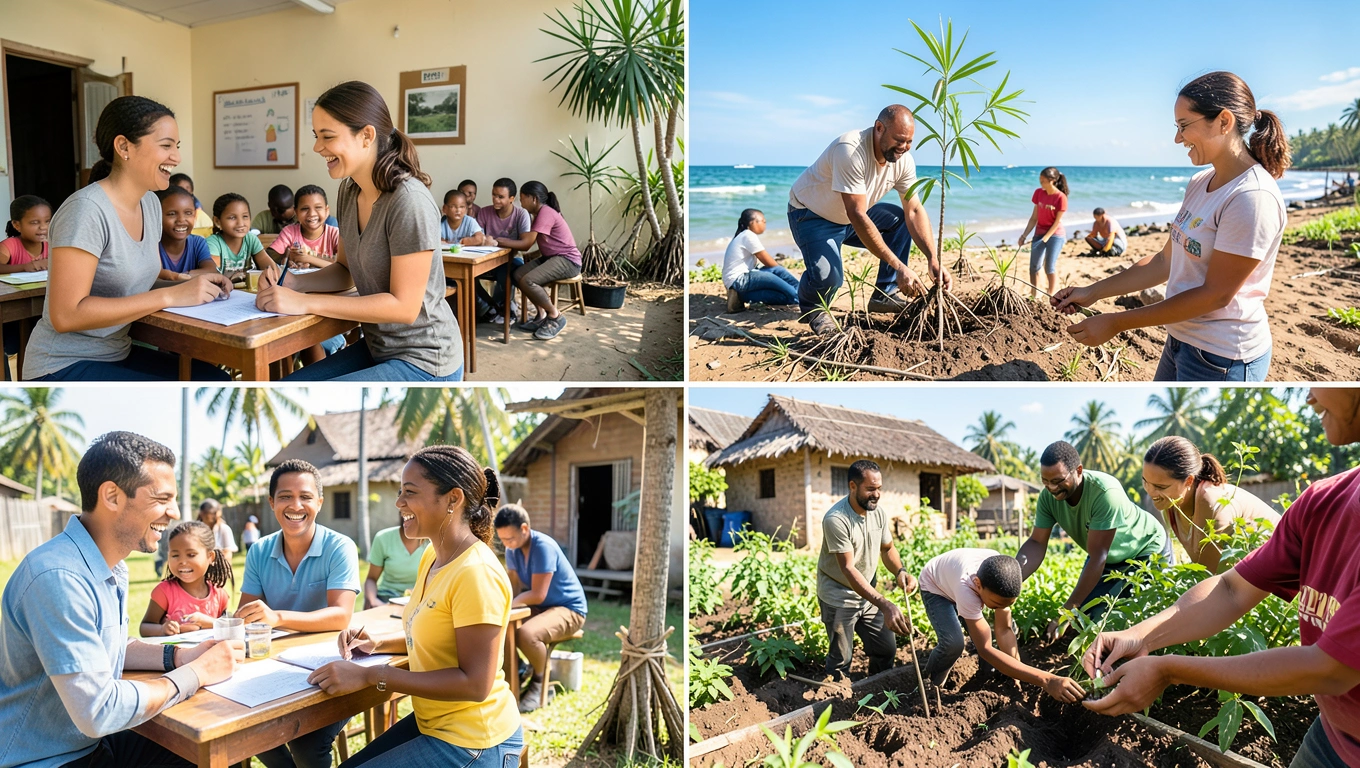
Imagine standing in a Kenyan classroom, teaching English to children who greet you with radiant smiles. Or picture yourself planting mangroves along a Thai coastline, knowing each tree will protect the shore for decades. Volunteer travel offers these moments - chances to explore the world while leaving places better than you found them. It transforms typical vacations into purposeful journeys where your time creates real impact. For travelers seeking deeper connections and meaningful experiences, combining service with exploration opens doors that standard tourism simply cannot.
What Makes Volunteer Travel Different from Regular Tourism
Traditional travel focuses on sightseeing and personal enjoyment. You visit landmarks, eat local food, snap photos, and move on. Volunteer travel flips this script by integrating structured service into your itinerary. You still explore new places and experience different cultures, but you also contribute your skills and energy to community projects that need support.
The scope of volunteer opportunities spans remarkably wide. Conservation projects might have you tracking wildlife in Costa Rica or rehabilitating coral reefs in Indonesia. Community building programs could involve constructing schools in rural Cambodia or renovating community centers in Peru. Education initiatives let you teach languages, computer skills, or basic literacy. Healthcare volunteers assist in clinics serving underserved populations. Infrastructure projects help build wells, roads, or sanitation systems in areas lacking basic necessities.
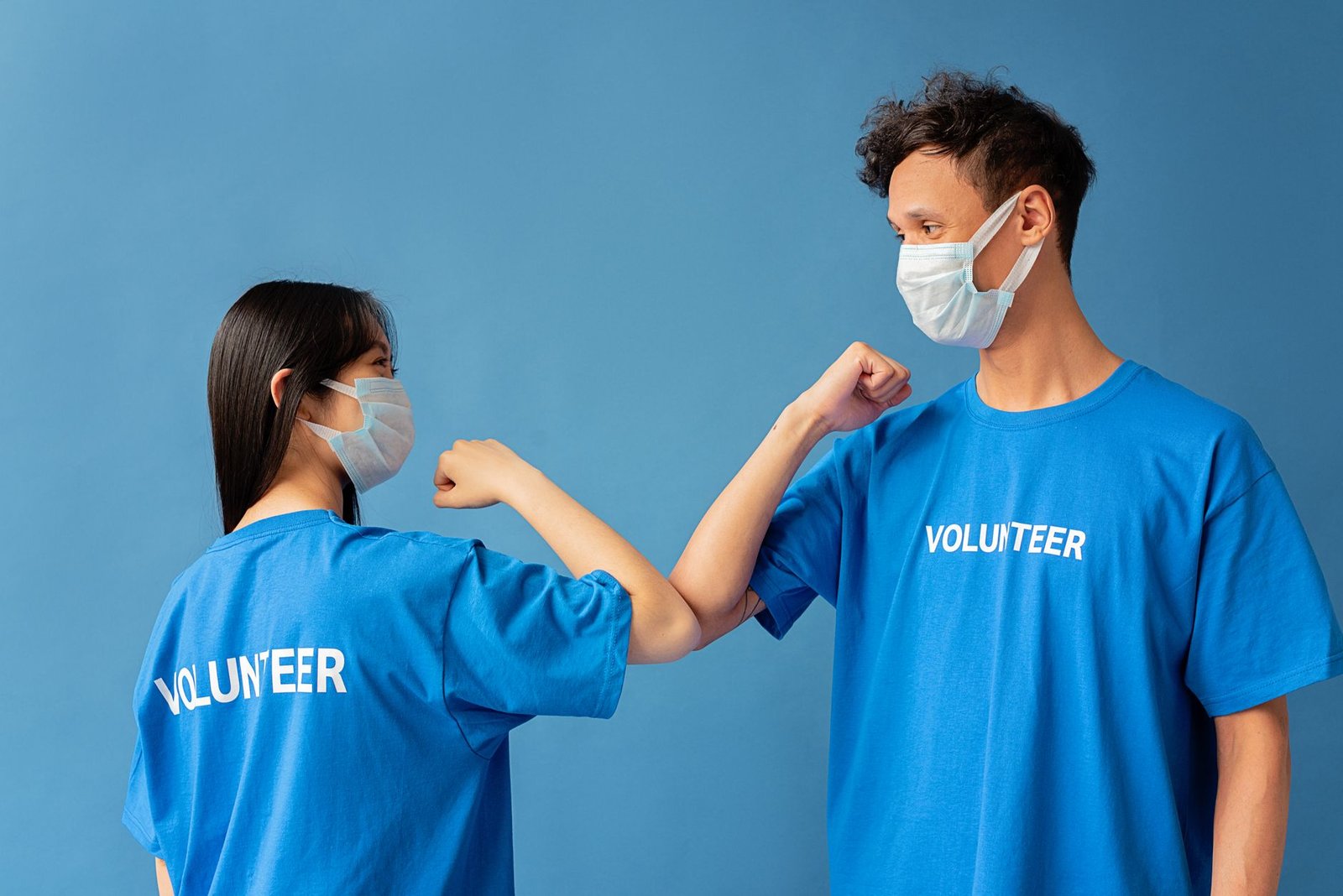
According to guidance from the U.S. Department of State, around 2.1 billion people volunteer each month worldwide, though only a fraction of these engage in international volunteer travel. A 2008 study estimated that over 1.6 million people volunteered internationally each year, with the United States being the most common origin country. What draws so many? The most common cause attracting international volunteers is alleviating poverty, followed closely by education and environmental conservation.
The duration varies wildly too. Some programs last just a weekend, perfect for fitting service into a longer vacation. Others span weeks or months, allowing for sustained impact and deeper immersion. The flexibility means you can find opportunities matching your schedule, skills, and interests.
The Personal Benefits That Extend Beyond the Trip
Volunteer travel changes you in ways regular tourism rarely does. When you work alongside community members on shared goals, you experience cultures from the inside rather than as an observer. You learn how people live, what challenges they face daily, and what brings them joy. This authentic cultural immersion develops empathy and global awareness that lectures and guidebooks cannot replicate.
The interpersonal skills you gain prove invaluable. Communicating across language barriers teaches patience and creativity. Collaborating with people from vastly different backgrounds builds adaptability. Navigating unfamiliar social norms sharpens cultural sensitivity. These soft skills transfer directly to professional environments, especially in our increasingly globalized economy.
Many volunteers also acquire hard skills through hands-on learning. Building homes teaches basic construction. Conservation work develops environmental monitoring techniques. Teaching programs enhance public speaking and lesson planning abilities. Healthcare projects provide clinical experience. These practical skills make your resume stand out, as employers increasingly value candidates with international experience and demonstrated commitment to social responsibility.
Beyond career benefits, the personal fulfillment runs deep. Knowing you contributed tangibly to improving lives or protecting environments creates lasting satisfaction. Many volunteers describe their service experiences as among the most meaningful events of their lives. The relationships formed - with fellow volunteers and community members alike - often endure long after you return home.
How Communities Benefit When Programs Work Right
Well-designed volunteer programs deliver genuine value to host communities. When volunteers purchase food, lodging, and services locally, they inject money directly into regional economies. This economic activity supports small businesses and creates employment opportunities beyond the specific project.
Volunteers also bring fresh perspectives and specialized skills that complement local expertise. A civil engineer volunteering on water infrastructure projects contributes technical knowledge communities may lack. Teachers provide language instruction expanding local opportunities. Medical professionals offer healthcare in underserved areas. These contributions help fill gaps that limited local resources cannot address alone.
The key phrase is "when programs work right." Research published by National Geographic emphasizes that volunteer programs must be community-led, sustainable, and thoughtfully designed to achieve positive outcomes. Projects should address needs identified by communities themselves, not imposed by outside organizations. Programs should train and prepare volunteers adequately to ensure they add value rather than create additional work for locals.
Sustainable volunteer programs also prioritize continuity. Short-term projects work best when they fit into longer-term development strategies. Building a school makes little difference if no plan exists for staffing, supplies, and maintenance. Effective programs coordinate with local governments, NGOs, and community leaders to ensure projects integrate into broader development goals.
The Criticisms Worth Taking Seriously
Not all volunteer travel deserves celebration. The industry faces legitimate criticisms that responsible volunteers must understand and address.
Short-term volunteering, especially trips lasting just days or weeks, often struggles to create meaningful impact on complex issues. Poverty, environmental degradation, and inadequate infrastructure stem from deep structural problems that weekend projects cannot solve. Sometimes short-term volunteers actually burden communities by requiring orientation, supervision, and accommodation without staying long enough to contribute substantial value.
Some programs unintentionally displace local workers. When volunteers take jobs locals could do - like painting, construction, or teaching - communities lose income opportunities. This becomes especially problematic when volunteers lack relevant skills or training. An unskilled volunteer building a wall that later needs reconstruction wastes resources and creates frustration.
Cultural insensitivity represents another significant concern. Volunteers arriving with assumptions about what communities need, taking inappropriate photos, or behaving disrespectfully can harm more than help. The "white savior" narrative - where volunteers see themselves as rescuing helpless communities - perpetuates harmful stereotypes and ignores local agency and expertise.
Some organizations also exploit both volunteers and communities through profit-driven models that prioritize revenue over impact. High program fees may line organizational pockets rather than supporting projects. Orphanage tourism has drawn particular criticism, as it can incentivize keeping children institutionalized when family-based care would serve them better.
These issues demand that volunteers research organizations thoroughly, choose programs emphasizing sustainability and community leadership, and approach service with humility and genuine interest in learning.
Choosing Responsible Volunteer Opportunities
Finding ethical volunteer programs requires diligence and critical thinking. Start by researching organizations extensively. Look for transparency about how fees are allocated. Reputable programs clearly explain what percentage supports projects versus administrative costs. They should demonstrate established relationships with local communities and ongoing projects rather than parachuting into new locations.
Community partnership matters enormously. Ethical programs collaborate with local organizations and leaders who guide project selection and implementation. Communities should actively participate in decision-making rather than passively receiving outside assistance. Ask organizations how they ensure community voices shape their work.
Consider the skills required. Be honest about what you can offer. Programs needing specialized expertise should require appropriate qualifications. If you lack construction skills, choose programs welcoming unskilled volunteers for appropriate tasks or focusing on areas matching your background.
Duration and commitment level also matter. Longer placements typically create more meaningful impact, allowing you to understand context deeply and contribute substantively. If you can only volunteer briefly, seek programs specifically designed for short-term engagement within longer-term projects.
Read reviews from past volunteers, but read critically. Look for feedback about how well programs prepared volunteers, whether projects seemed genuinely needed, and how respectfully organizations treated community members. Watch for red flags like disorganization, misrepresentation of conditions, or lack of real work to do.
Finally, reflect on your motivations. Are you seeking Instagram-worthy experiences, or genuinely hoping to contribute to community-identified needs? The best volunteers approach service with humility, flexibility, and eagerness to learn rather than viewing themselves as saviors fixing broken places.
Quick Takeaways
- Volunteer travel combines exploration with meaningful service through projects spanning conservation, education, healthcare, and community development
- Around 2.1 billion people volunteer monthly worldwide, with over 1.6 million engaging in international volunteer work annually
- Benefits include authentic cultural immersion, enhanced interpersonal skills, practical learning experiences, and deep personal fulfillment
- Communities gain economic support, specialized skills, and project assistance when volunteer programs prioritize sustainability and local leadership
- Short-term projects may lack meaningful impact or unintentionally displace local workers if poorly designed
- Choose programs transparently using fees, partnering with local communities, requiring appropriate skills, and emphasizing long-term sustainability
- Approach volunteer travel with humility, cultural sensitivity, and genuine commitment to community-identified needs rather than imposed solutions
Conclusion
Volunteer travel offers something profoundly different from conventional tourism - the chance to connect authentically with places and people while contributing to causes that matter. When done thoughtfully, it benefits everyone involved. You gain perspective, skills, and relationships that reshape how you see the world. Communities receive support, resources, and cross-cultural exchange that enhance development efforts.
But volunteer travel done poorly can waste resources, perpetuate harmful stereotypes, and burden communities rather than help them. The responsibility falls on each of us to choose programs carefully, approach service with humility, and recognize that meaningful change requires sustained commitment and community leadership.
As you plan your next trip, consider whether volunteer travel aligns with your values and interests. If it does, invest time in finding ethical organizations that prioritize impact over profit, sustainability over quick fixes, and partnership over paternalism. The world needs engaged global citizens willing to contribute their time and talents thoughtfully. Travel becomes most rewarding when exploration and service walk hand in hand, leaving both travelers and communities enriched by the exchange.
FAQs
How much does volunteer travel typically cost?
Volunteer travel costs vary enormously depending on destination, program length, and what's included. Some programs charge several thousand dollars for multi-week placements covering accommodation, meals, training, and project support. Others charge minimal fees, with volunteers covering their own travel and living expenses. Many organizations operate on donation models where you fundraise or contribute what you can. Research carefully to understand what fees cover and what percentage directly supports projects versus administrative overhead.
Do I need special skills or qualifications to volunteer abroad?
It depends on the project. Some opportunities welcome anyone with enthusiasm and willingness to work, like community building projects or basic environmental conservation. Others require specific qualifications - teaching programs may need education credentials, healthcare projects require medical licenses, and specialized construction projects need relevant skills. Many programs offer training upon arrival. Be honest about your abilities and choose opportunities matching your skill level where you can genuinely contribute value.
How long should I volunteer to make a real difference?
Longer placements typically create more meaningful impact. Many experts suggest a minimum of two to four weeks for most projects, allowing time to understand local context, build relationships, and contribute substantively. However, even shorter engagements can add value when designed as part of longer-term programs where your contribution fits into ongoing work. The key is choosing programs structured for your available timeframe rather than expecting brief visits alone to solve complex problems.
How can I tell if a volunteer organization is ethical and legitimate?
Look for transparency about fees and fund allocation, established partnerships with local communities rather than imposed projects, appropriate skill requirements for specialized work, and evidence of long-term commitment to regions served. Read reviews from multiple past volunteers. Check whether the organization explains how communities participate in decision-making. Avoid programs promoting orphanage visits, as these can harm children. Reputable organizations welcome questions about their practices and readily provide detailed information about their work and impact.