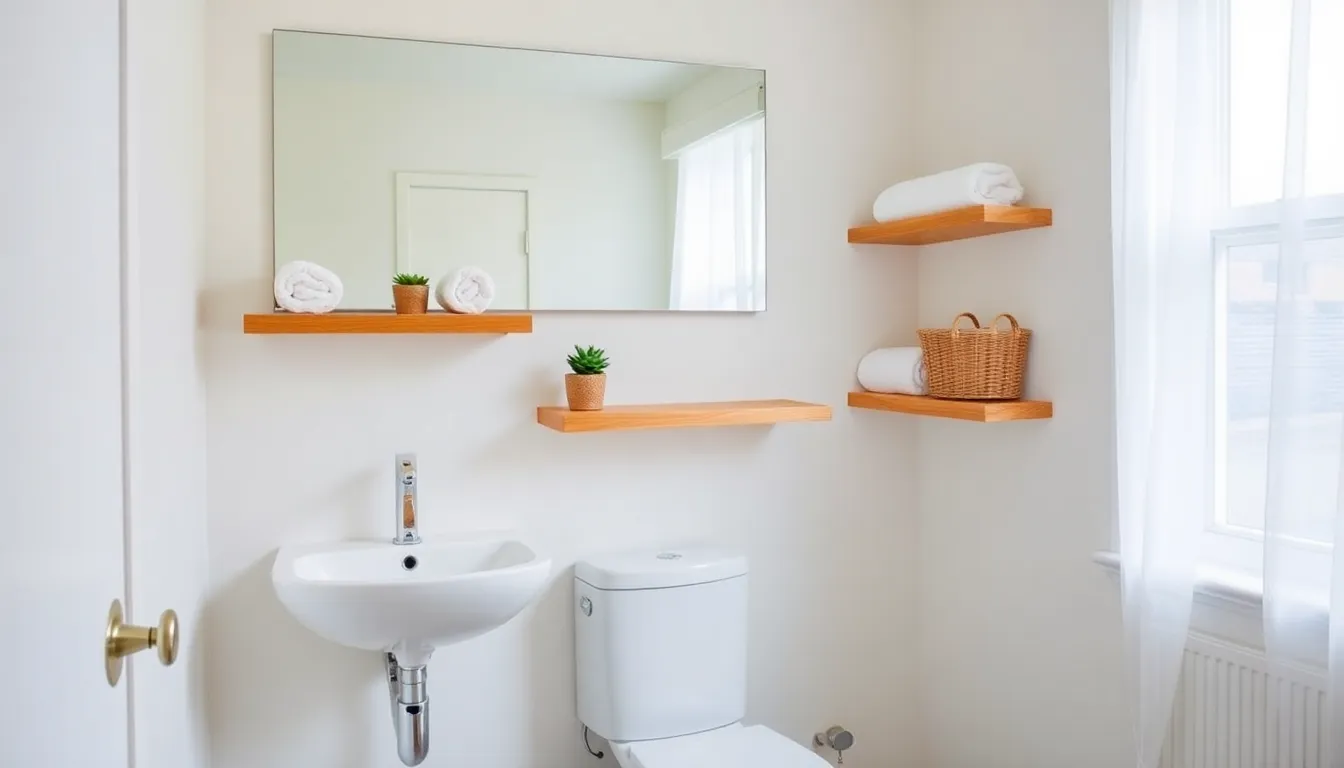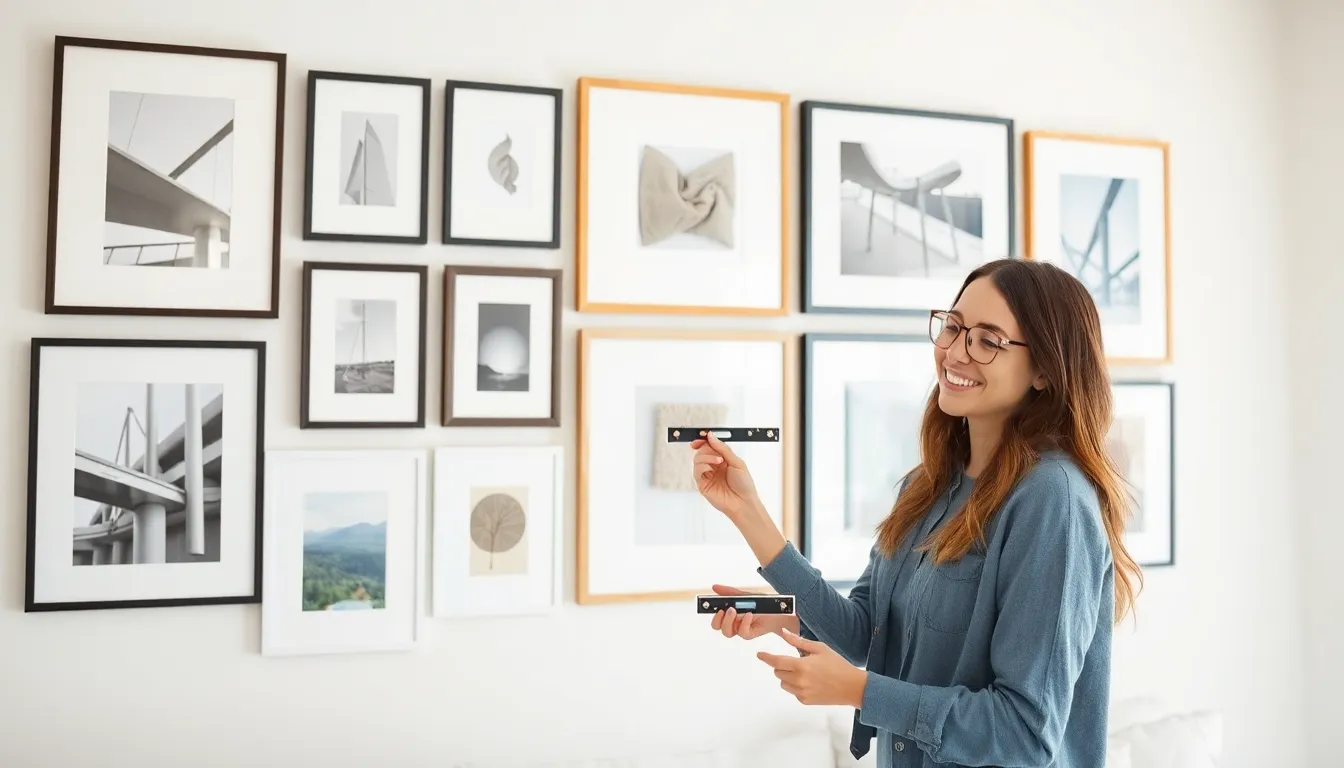
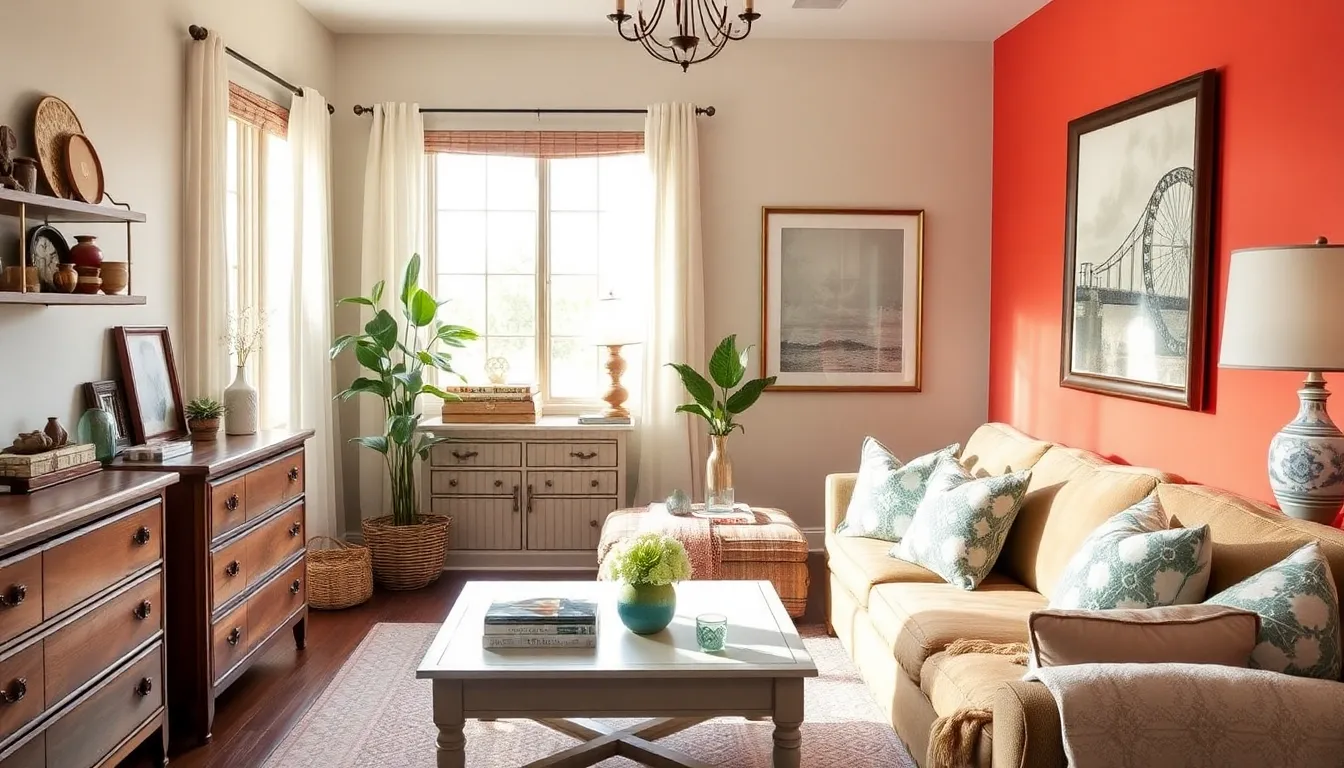
Creating a beautiful home doesn't require draining your savings account. You can transform your living space into a stylish sanctuary without spending a fortune, and it's easier than you might think. The secret lies in making smart choices, getting creative with what you already own, and knowing where to invest your limited budget for maximum impact. Whether you're moving into a new place, refreshing a tired room, or simply wanting to update your decor, these practical strategies will help you achieve a high-end look while keeping your wallet happy. Let's explore how you can decorate on a budget and still create a space that feels uniquely yours.
Start With What You Have: The Art of Upcycling
Before rushing to the store, take a good look at what's already in your home. That old dresser gathering dust in the garage could become the statement piece your bedroom needs. Upcycling furniture is an affordable way to breathe new life into old pieces, allowing for custom decor that reflects personal style. A coat of paint, new hardware, or even just repositioning furniture can create an entirely different atmosphere.
Consider that wooden chair with the dated finish. Strip it down, sand it smooth, and apply a fresh stain or paint in a trendy color. Suddenly, you have a piece that looks custom-made. The same approach works for coffee tables, nightstands, and shelving units. You're not just saving money - you're creating something original that no one else will have.
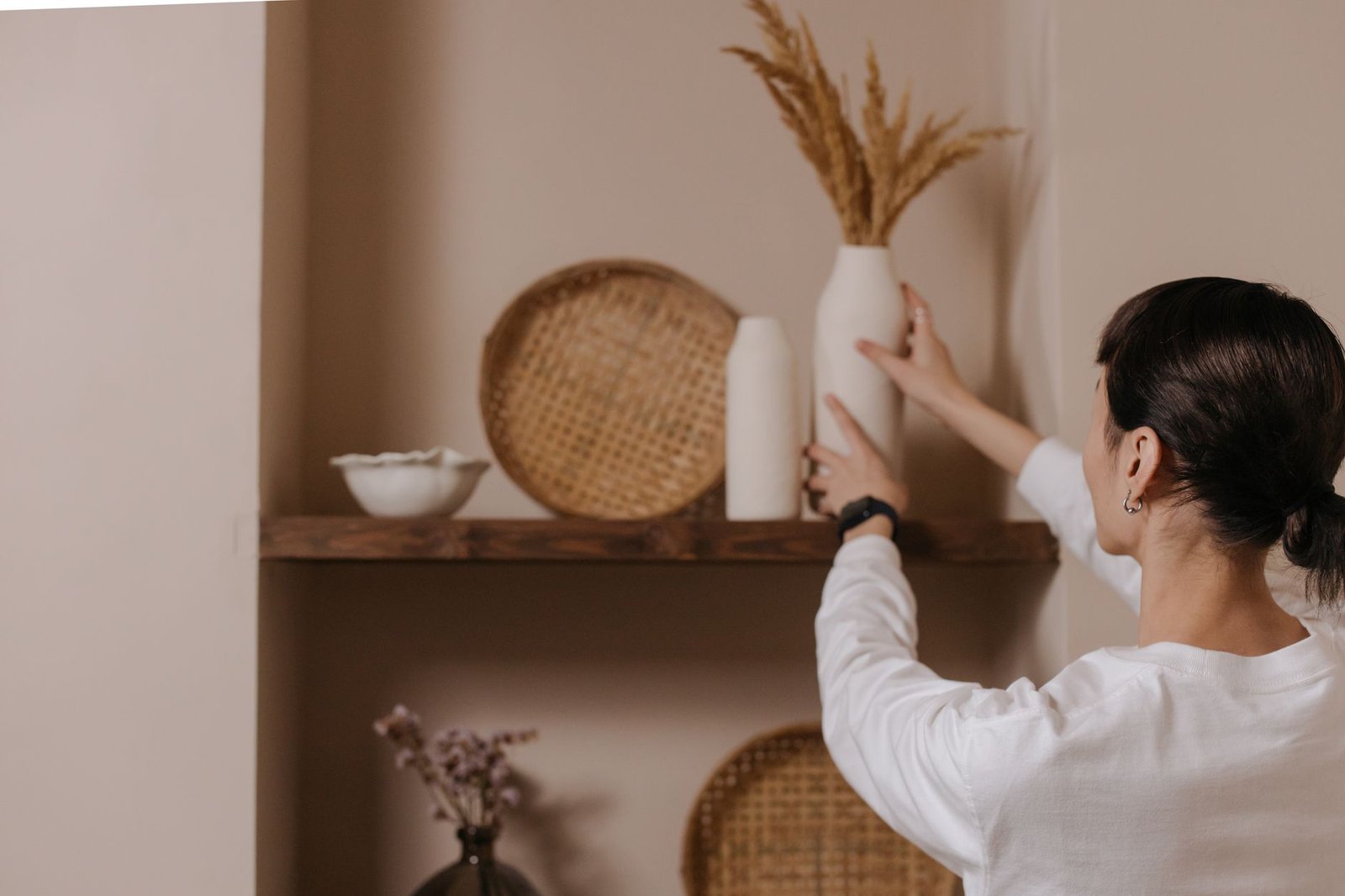
Replacing outdated hardware such as handles, knobs, and furniture legs can instantly refresh the look of a piece. These small changes cost relatively little but make a significant visual difference. Swap out those brass cabinet pulls from the 1990s for sleek matte black ones, and watch your kitchen cabinets look ten years younger. Change the clunky wooden legs on your dresser to modern tapered ones, and you've got a mid-century modern piece worth showing off.
The beauty of upcycling extends beyond furniture. Old picture frames can be spray-painted and regrouped for a gallery wall. Mason jars become chic vases or organizers. Wooden crates stack into stylish storage solutions. The possibilities multiply when you start seeing potential instead of junk.
Hunt for Treasures: Thrifting and Secondhand Shopping
Thrifting offers a budget-friendly method to discover unique, one-of-a-kind home decor items that add character to a space. Thrift stores, estate sales, garage sales, and online marketplaces are gold mines for the savvy decorator. You'll find items with history, craftsmanship, and personality that mass-produced pieces simply can't match.
The key to successful thrifting is patience and vision. Don't expect to walk into a thrift store and find everything on your list in one visit. Make it a regular habit - stop by your local shops weekly or browse online listings during your downtime. Train your eye to see past surface flaws. That vintage mirror with the tarnished frame? Clean it up, and it becomes a focal point. The solid wood bookshelf with the scratched surface? A quick refinish transforms it into something beautiful.
Focus on quality construction over appearance. Solid wood pieces can always be refinished. Well-made ceramics and glassware last forever. Look for natural materials like wood, metal, and stone rather than particle board and plastic. These items not only look better but also hold up longer, making them truly budget-friendly in the long run.
When thrifting, think about scale and proportion. A large vintage rug can anchor an entire room. An oversized piece of artwork makes a bigger statement than several small prints. Speaking of which, using a few large-scale statement pieces of art or decor often looks more expensive than cluttering a room with many small items. This principle applies whether you're thrifting or buying new.
The Power of Paint: Transforming Spaces for Less
Painting is one of the cheapest ways to significantly transform a room, giving it an instantly upgraded and high-end appearance. A gallon of quality paint costs less than most decorative accessories, yet it delivers the biggest visual impact per dollar spent. The transformation can be dramatic, and you can do it yourself over a weekend.
Don't limit yourself to walls. Paint your front door a bold, welcoming color. Refresh tired kitchen cabinets with a modern shade. Transform outdated tile surrounds with specialty tile paint. Paint the interior of bookshelves in a contrasting color to make your books and decorative items pop. Even painting the ceiling - often called the fifth wall - can add unexpected sophistication to a room.
Color choice matters tremendously. Neutral tones create a calm, expensive-looking backdrop that works with any decor style. If you crave color, use it strategically on an accent wall rather than throughout the entire room. Deep, saturated colors like navy, emerald, or charcoal can make a space feel more luxurious than bright, loud hues. Test paint samples on your walls before committing, watching how they look in different lighting throughout the day.
Proper preparation and technique separate amateur paint jobs from professional-looking results. Clean and prime your surfaces. Use painter's tape for crisp lines. Invest in quality brushes and rollers. Take your time. The few extra hours you spend on prep work will show in the finished product, making your budget makeover look anything but cheap.
Smart Shopping Strategies That Stretch Your Budget
When you do need to buy new items, shop strategically. Timing matters - stores clear out seasonal inventory at steep discounts, home goods retailers have regular sales cycles, and online shopping events throughout the year offer significant savings. Sign up for email lists from your favorite stores to get early sale notifications and exclusive discounts.
Mix high and low. Splurge on items you'll use daily or that anchor a room - a quality sofa, a comfortable mattress, or durable dining chairs. Save on trendy accent pieces, decorative accessories, and seasonal items that you might want to change in a year or two. This approach lets you have some premium pieces without blowing your entire budget.
Consider unexpected sources for home decor. Restaurant supply stores sell attractive, durable dishware and glassware at wholesale prices. Architectural salvage yards offer unique lighting fixtures, doors, and hardware with character. Online marketplaces connect you directly with local sellers, often at better prices than retail stores. Building supply stores carry simple shelving, hooks, and storage solutions that cost a fraction of the designer versions.
DIY your art and accessories. Download and print digital art or photography for a few dollars. Frame fabric remnants, wallpaper samples, or pages from old books. Create your own throw pillows from affordable fabric. Make simple shelves from reclaimed wood. These projects take time rather than money, and they result in custom pieces that reflect your personal style.
Quick Takeaways
- Upcycling furniture is an affordable way to breathe new life into old pieces, allowing for custom decor that reflects personal style
- Thrifting offers a budget-friendly method to discover unique, one-of-a-kind home decor items that add character to a space
- Painting is one of the cheapest ways to significantly transform a room, giving it an instantly upgraded and high-end appearance
- Replacing outdated hardware such as handles, knobs, and furniture legs can instantly refresh the look of a piece
- Using a few large-scale statement pieces of art or decor often looks more expensive than cluttering a room with many small items
- Mix high and low by investing in quality foundational pieces while saving on trendy accessories and seasonal decor
- Shop strategically during sales, explore unexpected sources like restaurant supply stores, and DIY simple accessories to maximize your budget
Conclusion
Decorating on a budget isn't about sacrifice or settling for less. It's about being intentional, creative, and resourceful with the money you have. The most beautiful homes aren't necessarily the most expensive ones - they're the spaces that tell a story, reflect the people who live there, and feel thoughtfully put together. When you upcycle, thrift, paint, and shop strategically, you're not just saving money. You're creating a home that's genuinely unique and completely yours.
Start small if you need to. Transform one room, or even just one corner. See how good it feels to create something beautiful without the financial stress. That confidence will carry you forward as you tackle other spaces. The skills you develop - seeing potential in old items, mixing styles successfully, knowing where to invest and where to save - will serve you for years to come. Your budget-friendly home can be just as stylish, comfortable, and impressive as any designer showcase. It just takes a different approach, and honestly, that makes it even better.
FAQs
What is the cheapest way to make my home look more expensive?
Paint delivers the biggest impact for the lowest cost. A fresh coat of paint in a sophisticated neutral or deep, rich color instantly upgrades any space. Beyond that, decluttering and better organizing what you already own makes rooms look more intentional and polished. Replace outdated hardware on cabinets and furniture, add one large statement piece rather than many small items, and ensure proper lighting - these small changes create an expensive look without expensive price tags.
How can I decorate my living room on a tight budget?
Start by rearranging your existing furniture to create better flow and conversation areas. Add a large area rug from a discount retailer to anchor the space. Paint an accent wall or the entire room for dramatic change. Thrift or DIY your artwork, creating a gallery wall with frames you already own or find secondhand. Make or recover throw pillows with budget fabric. Focus on one or two quality pieces - perhaps a thrifted coffee table you refinish - rather than filling the room with cheap new items.
Where are the best places to find affordable home decor?
Thrift stores, estate sales, and garage sales offer unique finds at rock-bottom prices. Online marketplaces connect you with local sellers offering everything from furniture to accessories. Discount home goods retailers provide trendy items at lower price points. Check out architectural salvage yards for distinctive lighting and hardware. Restaurant supply stores sell durable dishware and glassware. Don't overlook building supply stores for basic shelving and storage solutions that you can style up yourself.
Is it worth buying cheap furniture or should I save for better quality?
It depends on the piece and your situation. For foundational items you'll use daily - sofas, beds, dining chairs - invest in better quality when possible, even if that means buying secondhand solid wood pieces rather than new particle board ones. Quality furniture lasts decades and actually costs less over time. For trendy accent pieces, side tables, or items you might replace as your style evolves, budget options work fine. The best strategy combines a few quality investment pieces with more affordable complementary items.