Yoga has moved far beyond trendy studios and Instagram poses. Millions of people around the world now practice yoga not just for fitness, but as a complete approach to health that touches both body and mind. Whether you're dealing with chronic back pain, looking to manage stress better, or simply want to feel stronger and more flexible, yoga offers tangible benefits backed by solid research. The beauty of this ancient practice lies in its accessibility - you don't need expensive equipment, a gym membership, or even exceptional fitness levels to start. What you do need is a willingness to show up on your mat and breathe.
This article explores the real, evidence-based benefits of yoga for your physical and mental wellbeing. We'll look at how regular practice can transform everything from your flexibility and strength to your stress levels and heart health, drawing on current research and practical insights that make yoga relevant for modern life.
Physical Benefits That You Can Actually Feel
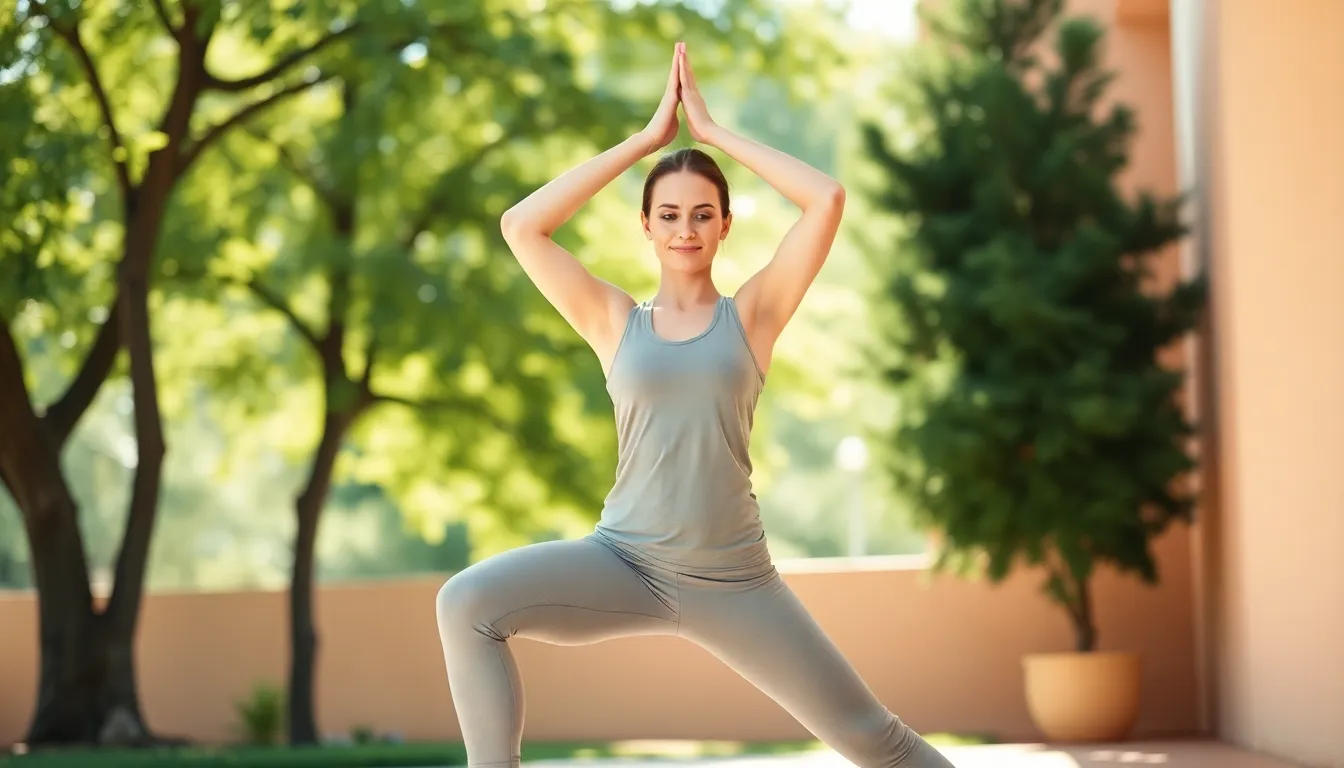
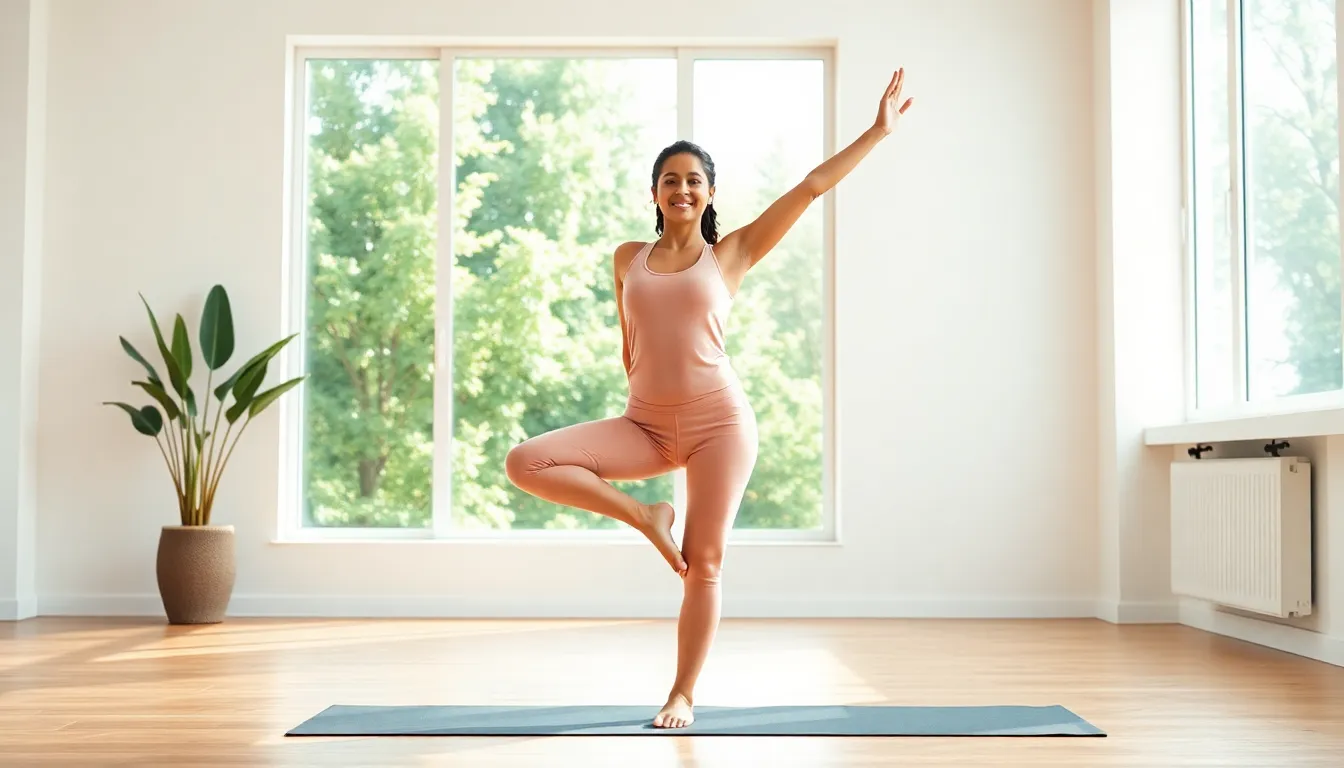
The physical changes that come with regular yoga practice are often the first ones people notice. Yoga improves strength, balance, and flexibility through a combination of poses that challenge your body in ways that typical cardio or weight training might miss. When you hold a warrior pose or balance in tree pose, you're not just stretching - you're building functional strength that translates to everyday movements like reaching for something on a high shelf or getting up from the floor.
Balance improvements are particularly significant, especially as we age. The proprioceptive training you get from standing poses and balance-focused sequences helps your body understand where it is in space. This matters when you're walking on uneven surfaces, carrying groceries, or preventing falls. Research shows that regular practitioners develop better postural control and body awareness that extends well beyond their time on the mat.
Flexibility gains happen gradually but consistently. Unlike aggressive stretching that can cause injury, yoga's approach to flexibility combines breath with movement, allowing your muscles to release tension naturally. After a few weeks of practice, you might notice you can bend down to tie your shoes more easily, or that your shoulders feel less tight after a day at your desk. These aren't dramatic transformations, but they're the kind of quality-of-life improvements that actually matter.
Mental Health and Stress Management
The mental health benefits of yoga extend far beyond feeling calm during savasana. Yoga helps you manage stress and can reduce symptoms of anxiety and depression through several mechanisms. The breath work component - called pranayama - directly affects your nervous system, shifting you from fight-or-flight mode into a calmer state. When you focus on lengthening your exhale or practicing specific breathing patterns, you're actually changing your body's stress response.
Studies have shown that regular yoga practice can lower cortisol levels, the hormone most associated with chronic stress. But beyond the biochemistry, there's something powerful about having a dedicated time and space to step away from your racing thoughts and endless to-do lists. The meditative aspects of yoga - whether through focused attention on your breath or the simple act of being present in each pose - train your mind to find stillness even when life gets chaotic.
For people dealing with anxiety or depression, yoga offers a complementary approach that doesn't replace professional treatment but can enhance it. The combination of physical movement, controlled breathing, and mindfulness creates a holistic practice that addresses mental health from multiple angles. Many practitioners report feeling more resilient, better able to handle daily stressors, and more connected to themselves after establishing a regular practice.
Heart Health and Inflammation
Your cardiovascular system benefits from yoga in ways that might surprise you. Regular yoga practice can benefit heart health by reducing stress and inflammation, and research suggests it may help lower blood pressure. While yoga isn't traditionally thought of as cardio exercise, certain styles like vinyasa or power yoga can get your heart rate up significantly. More importantly, the stress-reduction effects have a direct impact on cardiovascular health.
Chronic inflammation is linked to numerous health problems, from heart disease to autoimmune conditions. Yoga's combination of gentle physical activity, stress management, and relaxation appears to reduce inflammatory markers in the body. This happens partly through the stress reduction we've already discussed, but also through the gentle compression and release of organs and tissues during certain poses, which can improve circulation and lymphatic function.
Blood pressure reduction is one of the most studied benefits of yoga. The combination of physical activity, breathing exercises, and meditation creates a perfect storm for supporting healthy blood pressure levels. For people with hypertension or prehypertension, adding yoga to their routine (alongside medical care and other lifestyle changes) can contribute to better cardiovascular outcomes. The key is consistency - occasional practice helps, but regular sessions deliver the most significant benefits.
Pain Relief and Body Awareness
Chronic pain, particularly low back pain, affects millions of people and often limits quality of life significantly. Yoga can help relieve chronic low back pain through a combination of gentle strengthening, flexibility work, and improved body mechanics. Unlike passive treatments, yoga teaches you to move better and understand your body's signals, which can prevent pain from recurring.
The mindfulness component of yoga changes your relationship with pain. Instead of tensing up or avoiding movement because of fear of pain, you learn to distinguish between discomfort that signals danger and sensations that are simply part of stretching or building strength. This body awareness is incredibly valuable for managing chronic conditions and preventing injury during daily activities.
Many people find that yoga helps with other types of pain too - from arthritis to headaches to menstrual cramps. The gentle movement keeps joints mobile, the relaxation reduces muscle tension, and the overall stress reduction can turn down the volume on pain signals. It's not a magic cure, but for many people dealing with ongoing pain, yoga provides meaningful relief and improved function.
Quick Takeaways
- Yoga builds real strength, balance, and flexibility that improve everyday movement and reduce fall risk
- Regular practice lowers cortisol and helps manage symptoms of anxiety and depression through breath work and mindfulness
- Heart health improves through reduced inflammation, lower blood pressure, and better stress management
- Chronic low back pain responds well to yoga's combination of gentle strengthening and improved body awareness
- You don't need special equipment or high fitness levels to start - consistency matters more than intensity
- Both physical and mental benefits increase with regular practice, typically 2-3 sessions per week
- Yoga complements medical treatment but shouldn't replace professional care for serious conditions
Conclusion
The benefits of yoga for physical and mental wellbeing aren't just ancient wisdom - they're increasingly supported by modern research. From measurable improvements in flexibility and strength to reduced stress hormones and better cardiovascular health, yoga delivers real results for people who practice regularly. The beauty of this practice is that it meets you where you are. You don't need to twist yourself into a pretzel or meditate for hours to see benefits.
Starting a yoga practice in 2026 is easier than ever, with options ranging from in-person classes to online videos to apps that guide you through sequences. The key is finding a style and approach that fits your life and your goals. Whether you're looking to manage stress better, reduce pain, improve your fitness, or simply feel more connected to your body, yoga offers a path forward. Begin with just 10-15 minutes a few times a week, and pay attention to how you feel. The changes might be subtle at first, but over time, they add up to something significant - a stronger, calmer, more resilient version of yourself.
FAQs
How often should I practice yoga to see benefits?
Most research suggests practicing 2-3 times per week for at least 8-12 weeks to experience noticeable physical and mental benefits. However, even once-weekly practice can help, especially for stress management. Consistency matters more than duration - three 20-minute sessions often work better than sporadic hour-long classes. Many people find that short daily practices of 10-15 minutes deliver excellent results for maintaining flexibility and managing stress.
Can yoga help with weight loss?
Yoga can support weight loss efforts, though it's not primarily a high-calorie-burning exercise. More active styles like vinyasa or power yoga burn more calories, while all styles of yoga can improve body awareness, reduce stress eating, and build muscle tone. The mindfulness aspects of yoga often help people make better food choices and develop a healthier relationship with their bodies. For weight loss, yoga works best when combined with other physical activity and attention to nutrition.
Is yoga safe for people with injuries or health conditions?
Yoga can be very safe for people with injuries or health conditions when practiced appropriately. Always inform your instructor about any injuries, chronic pain, or health concerns before class. Many poses can be modified or supported with props to accommodate limitations. For serious conditions, consult your healthcare provider before starting yoga. Gentle, restorative, or chair yoga styles are particularly good options for people with mobility limitations or chronic conditions.
What style of yoga is best for beginners?
Hatha yoga or gentle yoga classes are typically best for beginners, as they move at a slower pace and focus on basic poses. Yin yoga is also beginner-friendly, though it involves holding poses for longer periods. Avoid jumping into hot yoga, power yoga, or advanced vinyasa classes until you've built some foundational strength and familiarity with basic poses. Many studios and online platforms offer specific beginner programs that progressively teach you fundamental poses and breathing techniques.